What Makes a Crispy Crust Prime Rib Different?
The Perfect Contrast of Texture and Tenderness
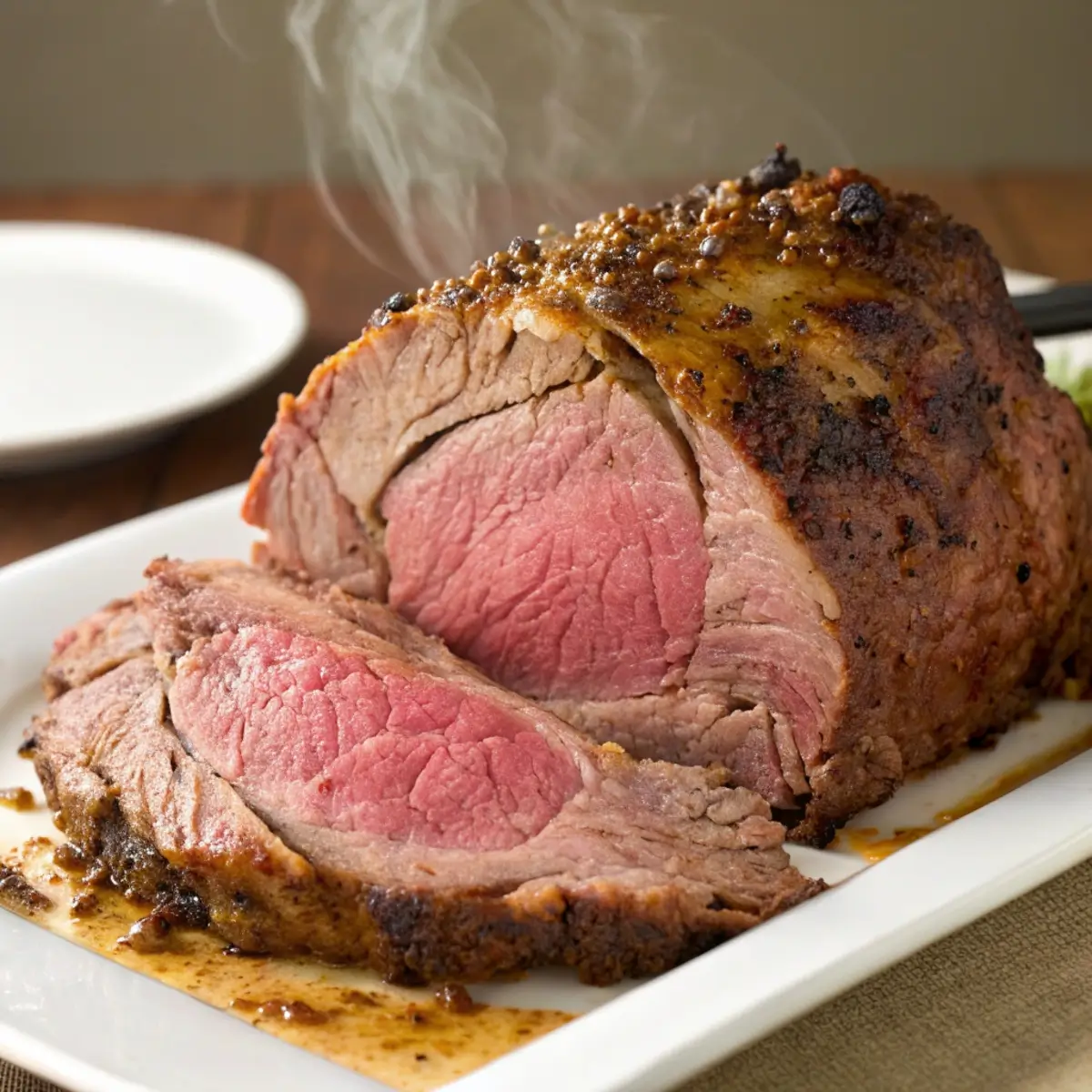
A crispy crust doesn’t happen by accident. It develops from deliberate steps: drying the surface, applying a salt-forward seasoning, controlling moisture, and using strategic heat. When done properly, the crust adds savory depth and pleasant crunch that balances the tender center.
The Juicy Center Comes From Slow and Controlled Heat
Prime rib is marbled with fat that melts over time. Slow, low-temperature cooking allows the fat to render gently, preserving moisture and preventing the outer layer from overcooking before the center reaches the perfect rosy stage.
Oven-Only Means Accessible for Everyone
No grill, no smoker, no flames needed. That means:
-
Consistent results every time
-
Beginner-friendly steps
-
Year-round availability
-
Easy for holiday cooking
Suitable for Bone-In or Boneless
Whether your roast has bones or not, this method works seamlessly. Boneless roasts cook slightly faster, but both achieve the same crispy crust and juicy interior when roasted correctly.
Choosing the Best Prime Rib for a Crispy Crust
Bone-In Prime Rib
-
Natural roasting rack (the ribs hold the roast up)
-
Extra insulation for juicy interior
-
Slightly deeper flavor
Boneless Prime Rib
-
Easier to slice
-
Cooks more evenly and quickly
-
Ideal for smaller ovens
How Much to Buy
For holidays or gatherings:
-
Bone-In: 1 pound per person
-
Boneless: ¾ pound per person
This accommodates hearty appetites and guarantees satisfying servings.
Look for Good Marbling
More marbling equals more juiciness. Whether buying prime or choice grade, prioritize marbling over size.
Ingredients for Crispy Crust Oven Prime Rib
Essential Ingredients
-
1 prime rib roast (bone-in or boneless, 4–8 pounds)
-
Kosher salt
-
Fresh cracked black pepper
-
Garlic powder
-
Onion powder
-
Olive oil or softened unsalted butter
Optional Add-Ons
All alcohol-free and pork-free:
-
Dried rosemary
-
Dried thyme
-
Smoked paprika
-
Mustard powder
-
Fresh garlic
-
Fresh parsley
Why Simple Ingredients Work Best
The goal is highlighting the natural richness of the beef, not covering it up. Salt and pepper establish the crust, and garlic/herbs add aromatic depth that complements—not competes with—the roast itself.
Preparing the Roast for Maximum Crust
Step 1: Let the Roast Warm Up
Take the roast out of the fridge 1½–2 hours before roasting.
This prevents a cold, undercooked center and encourages even heat distribution.
Step 2: Pat the Roast Completely Dry
Moisture is the enemy of crispiness. Dry the roast with paper towels until no moisture remains on the surface.
Step 3: Coat the Roast with Oil or Butter
A light coating helps the crust brown evenly.
Use:
-
Olive oil for a lighter crust
-
Butter for deeper browning and flavor
Step 4: Season Generously
Coat the roast with:
-
Salt
-
Pepper
-
Garlic powder
-
Onion powder
Add optional dried herbs or smoked paprika. Season all sides thoroughly.
A thick roast needs a strong layer of seasoning to create the crispy crust you’re looking for.
Two-Stage Oven Method for Crispy Crust and Juicy Center
This method uses high heat first, then low and slow roasting, followed by a rest period. It’s a classic, reliable approach.
Stage 1: High-Heat Crust Formation
Preheat oven to 500°F (260°C).
Place the roast in a roasting pan:
-
Bone-in: bone-side down
-
Boneless: fat-side up
Roast at high heat for 15 minutes.
This kickstarts the crispy crust formation, caramelizing the outer layer.
Stage 2: Slow Roasting
After the initial crust browning:
-
Reduce oven temperature to 250°F (120°C)
-
Continue roasting until internal temperature reaches:
-
118°F–120°F rare
-
122°F–125°F medium-rare
-
130°F–133°F medium
-
This usually takes 2–4 hours, depending on roast size.
Using a Thermometer
A digital thermometer is essential to avoid overcooking.
Insert it into the thickest part of the roast, avoiding fat pockets.
The Resting Stage: The Secret to Juiciness
Why Resting Matters
During cooking, juices move toward the center. Resting allows them to redistribute evenly so every slice is moist and tender.
Resting Time
Rest the roast for 25–45 minutes.
Tent loosely with foil—don’t wrap tightly or the crust will soften from trapped steam.
During resting, the internal temperature continues to rise slightly, finishing the cooking process without drying out the meat.
Carving a Prime Rib That Looks Restaurant-Quality
Tools
A long slicing knife or carving knife.
Avoid serrated knives unless necessary.
For Bone-In Roasts
-
Run the knife along the bones to remove them in one piece.
-
Set bones aside (excellent for broth or snacking).
-
Slice the boneless portion.
Slice Against the Grain
Cut into even slices, either:
-
Thick slices for hearty holiday servings
-
Thin slices for elegant plating or sandwiches
Arrange slices in a fan shape for a dramatic presentation.
Serving Suggestions for Holiday Beef Meals
Classic Sides for a Perfect Prime Rib Dinner
-
Creamy mashed potatoes
-
Roasted carrots
-
Green beans with garlic
-
Creamed spinach
-
Oven-roasted asparagus
-
Soft dinner rolls
Fresh, Bright Sides
-
Mixed greens with lemon dressing
-
Apple cranberry salad
-
Cucumber herb salad
Perfect Sauces
All alcohol-free and suitable for your dietary guidelines:
-
Horseradish cream
-
Garlic herb butter
-
Pan juices (alcohol-free)
-
Dijon herb sauce
The crispy crust pairs well with bold, creamy, or slightly acidic sauces.
Flavor Variations to Enhance the Roast
Herb Crust Version
Add rosemary and thyme for a fragrant herb crust that browns beautifully.
Peppercorn Crust
Use coarsely cracked black pepper for a steakhouse-style crust with bold flavor.
Garlic Lover’s Roast
Double the garlic powder and add fresh minced garlic.
Smoked Paprika Crust
Adds warmth and color without overpowering the natural beef flavor.
Mustard Herb Variation
Spread a thin layer of Dijon mustard (alcohol-free) before seasoning for tang and color.
How to Make a Rich Pan Jus Without Wine
Ingredients
-
1–2 cups beef broth
-
Drippings from pan
-
Garlic (optional)
-
Rosemary or thyme (optional)
Method
-
Remove roast from pan.
-
Place pan on stovetop over medium heat.
-
Add broth and scrape the caramelized bits.
-
Simmer until slightly reduced.
-
Strain for a smooth jus.
This jus deepens the beef flavor without needing wine, beer, or alcohol.
Storing, Freezing, and Reheating Prime Rib
Refrigeration
Store slices in airtight containers for up to 4 days.
Freezing
Freeze tightly sealed slices or pieces for 2–3 months.
Reheating Without Drying
Warm gently at 275°F (135°C) for about 10–15 minutes, or reheat slices in warm beef broth on the stovetop.
Avoid the microwave—it compromises the texture.
Troubleshooting Your Prime Rib
Crust Too Soft
-
Roast longer at the initial high heat
-
Pat roast dryer before seasoning next time
-
Don’t cover too tightly after cooking
Interior Overcooked
-
Check temperature earlier next time
-
Use a digital thermometer
-
Reduce high-heat stage if using a very small roast
Center Undercooked
Return to the oven at 250°F (120°C) until target temperature is reached.
Roast Too Salty
Serve with unsalted sides, and reduce seasoning by 20% next time.
Roast Lacks Flavor
Increase garlic, herbs, and pepper—prime rib can handle bold seasoning.
Frequently Asked Questions
How do I make the crust as crispy as possible?
Dry the roast well, season generously, and use the high-heat first roast.
Should I cover the roast in the oven?
No. Covering causes steaming, which softens the crust.
What’s the best serving temperature for prime rib?
Most people prefer medium-rare, which is achieved by pulling the roast at 122°F–125°F before resting.
Can I prepare the roast ahead of time?
Yes. Season the roast the night before and refrigerate uncovered for a drier surface and better crust.
Do I need a roasting rack?
No, but it helps. Bone-in roasts naturally sit on their ribs, which act as a built-in rack.
Can I use dried herbs instead of fresh?
Absolutely. Dried herbs hold up well during oven roasting.
What if I want an extremely crispy crust?
Extend the high-heat stage by an extra 5 minutes or finish at high heat after resting.
Can I skip the resting period?
No. Resting is essential for a juicy center.
Does this recipe work with smaller roasts?
Yes. Just adjust cooking time and use a thermometer for accuracy