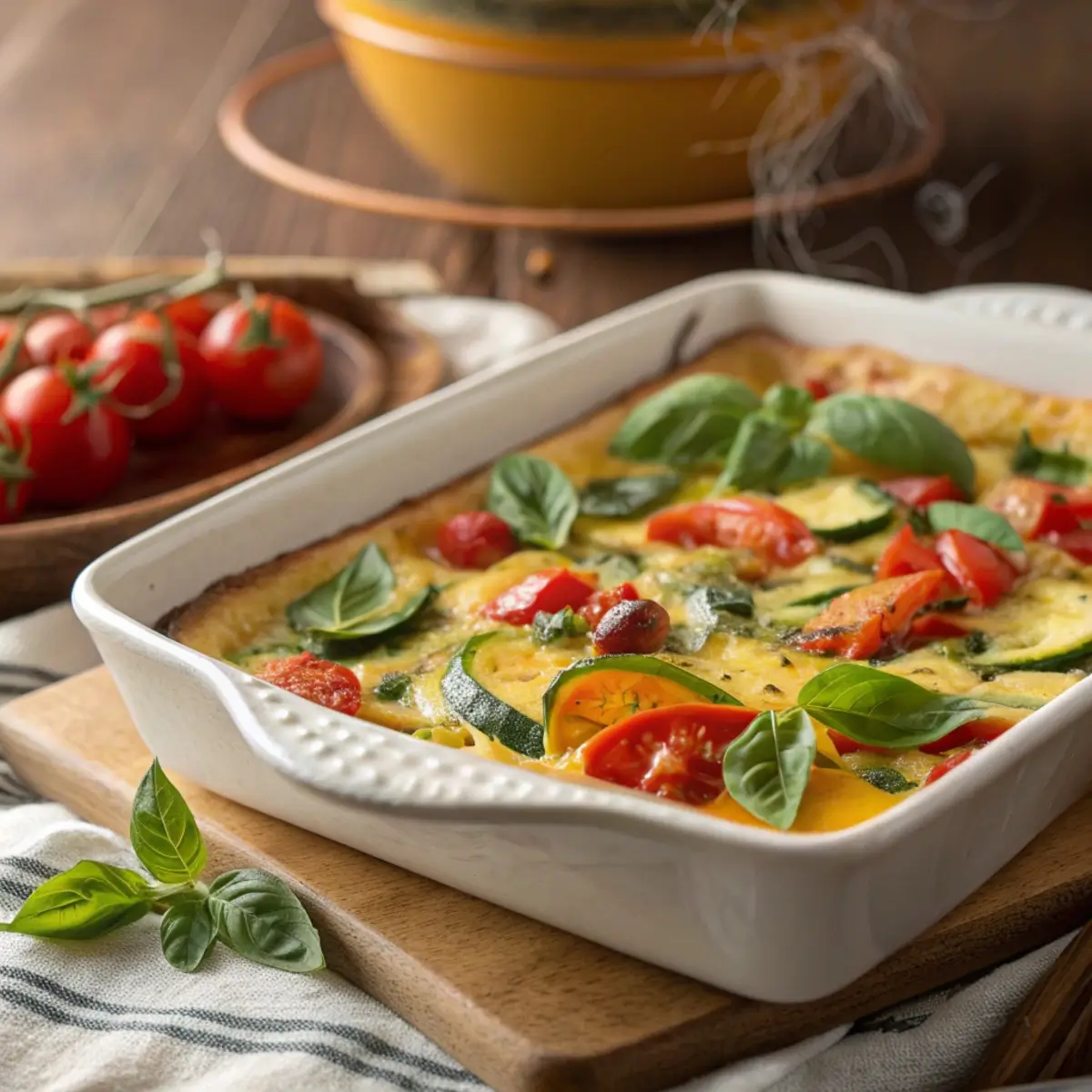
Mediterranean cuisine has long been celebrated for its fresh flavors, vibrant ingredients, and health-forward approach to food. It highlights vegetables, herbs, cheeses, and wholesome grains in a way that feels both comforting and nourishing. This Mediterranean Breakfast Casserole takes those beloved elements and transforms them into a warm, beautifully layered morning dish that’s perfect for brunches, family breakfasts, weekend gatherings, or weekly meal prep.
The Mediterranean flavor palette creates a casserole that is colorful, aromatic, and naturally satisfying. With ingredients such as roasted red peppers, spinach, tomatoes, olives, onions, and a flavorful mix of herbs, every bite brings brightness and depth. A light cheese topping helps bind everything together while giving the dish richness without being heavy. The casserole bakes into a soft, savory, custard-like texture that complements the vegetables perfectly.
Unlike many traditional breakfast bakes that lean heavily on meat, this recipe keeps things fresh and vegetable-forward while staying filling and protein-rich thanks to the eggs, cheese, and optional lean, pork-free protein additions. If you’re looking for a casserole bursting with flavor yet wholesome enough to enjoy even on a busy weekday morning, this Mediterranean-style version is the ideal dish.
Throughout this recipe article, you’ll find tips for perfect baking, flavor variations, make-ahead guidance, storage details, reheating suggestions, and answers to the most common questions people have when preparing a Mediterranean-inspired casserole. By the end, you’ll be fully equipped to create a dish that feels both simple and elegant—exactly what Mediterranean food does best.
Why Mediterranean Flavors Work Beautifully in a Breakfast Casserole
The Mediterranean region is known for its bold yet balanced flavors. When those elements are layered into a breakfast casserole, they create a dish that stands out from the usual cheesy, potato-heavy bakes.
Freshness
Ingredients such as tomatoes, spinach, zucchini, bell peppers, and onions give the casserole a refreshing brightness.
Balance of Richness and Lightness
A bit of cheese adds richness, while vegetables and herbs keep the dish from feeling too heavy.
Natural Umami
Sun-dried tomatoes, olives, roasted peppers, caramelized onions, and feta or mozzarella bring deep savory notes without needing meat.
Customizable Flavor
Mediterranean cuisine includes a wide range of flavors—from lemony to smoky to herbaceous—allowing you to tailor the dish to your preferences.
Nutritious and Wholesome
The ingredients are naturally high in vitamins, antioxidants, fiber, and plant-based nutrients, supporting energy and fullness throughout the day.
Ingredients
Vegetables
Feel free to add or remove items based on preference, but this classic mix works beautifully:
-
1 cup cherry tomatoes, halved
-
1 cup diced bell peppers (any color)
-
1 cup diced zucchini
-
1 cup baby spinach, chopped
-
½ cup diced red onion
-
¼ cup olives (black or Kalamata), sliced
-
½ cup sun-dried tomatoes, chopped (oil-packed, drained well)
Herbs & Seasonings
-
1 teaspoon dried oregano
-
½ teaspoon dried basil
-
½ teaspoon garlic powder
-
½ teaspoon paprika
-
½ teaspoon onion powder
-
½ teaspoon salt (adjust to taste)
-
½ teaspoon black pepper
-
Optional: ½ teaspoon smoked paprika for a deeper flavor
-
Optional: 2 tablespoons fresh parsley or dill
Egg Custard
-
10 large eggs
-
1¼ cups milk (dairy or unsweetened plant milk)
-
Optional: juice of ½ lemon for extra brightness
Cheese Options
(Choose one or mix and match)
-
1 to 1¼ cups crumbled feta
-
1 to 1½ cups shredded mozzarella
-
½ cup Parmesan (optional for topping)
Optional Proteins (Pork-Free)
For added protein without changing the Mediterranean flavor profile:
-
Cooked shredded chicken
-
Cooked turkey pieces
-
Chickpeas (½ to 1 cup)
-
White beans (½ to 1 cup)
-
Tofu cubes or crumbles
Optional Starches (Choose One or Skip for Low-Carb)
-
2 cups toasted bread cubes (day-old crusty bread works best)
-
2 cups cooked quinoa
-
1 to 1½ cups cooked brown rice
-
2 cups shredded hash browns
-
Or omit entirely for a lighter, vegetable-forward casserole
Preparing the Vegetables for the Best Flavor
Mediterranean vegetables shine brightest when they’re lightly roasted or sautéed before baking. This step ensures they maintain texture and avoid watering down the casserole.
Tomatoes
Halve cherry tomatoes, lightly salt them, and drain excess moisture.
Zucchini
Dice into small pieces; sauté briefly to release moisture.
Peppers and Onions
Cook in a pan with olive oil until slightly tender and fragrant.
Spinach
Add chopped spinach last—it wilts quickly and requires almost no cooking.
Sun-Dried Tomatoes
Drain any oil thoroughly and chop small so the flavor disperses evenly.
Sun-dried tomatoes add a sweet-tart depth that gives the casserole the signature Mediterranean pop.
Step-by-Step Instructions
Prepare the Baking Dish
-
Preheat the oven to 375°F (190°C).
-
Grease a 9×13-inch baking dish with olive oil or spray.
Prepare the Vegetable Mix
-
Sauté peppers and onions for 4–5 minutes until softened.
-
Add zucchini and cook 2–3 more minutes.
-
Stir in chopped spinach just long enough to wilt.
-
Add sun-dried tomatoes and olives.
-
Remove from heat and toss gently to combine.
Prepare the Starch Layer (Optional)
-
Add toasted bread cubes, quinoa, or rice to the baking dish.
-
Spread evenly across the bottom.
Assemble the Vegetable Layer
-
Spread the sautéed vegetables over the starch or directly into the dish.
-
Add cherry tomatoes on top for color and texture contrast.
-
Add optional chickpeas, beans, chicken, turkey, or tofu.
Add Cheese
-
Sprinkle half the cheese evenly across the vegetables.
Prepare the Egg Custard
-
Whisk eggs, milk, salt, pepper, garlic powder, oregano, basil, paprika, and optional lemon juice.
-
Whisk until smooth and well combined.
Pour and Layer
-
Pour egg custard over the vegetables.
-
Use a spatula to gently press ingredients so everything settles evenly.
-
Top with remaining cheese (feta or mozzarella).
-
Optional: sprinkle with paprika or dried herbs for extra color.
Bake
-
Bake for 35–50 minutes, depending on depth.
-
The top should be lightly golden and the center fully set.
-
Let cool for at least 10 minutes before slicing for clean pieces.
Texture and Flavor Notes
This casserole stands out for its fresh, bright, layered flavors rather than a singular rich note. Each forkful carries a variety of textures:
-
Cherry tomatoes provide juicy pops of flavor.
-
Bell peppers and onions offer sweetness and softness.
-
Zucchini adds moisture and tenderness.
-
Spinach contributes both color and nutrients.
-
Olives and sun-dried tomatoes bring bold savory and tangy notes.
-
Feta or mozzarella melts or softens into a creamy layer that ties the casserole together.
-
Egg custard holds everything in a fluffy, light structure.
-
Optional bread cubes or quinoa add body and heartiness.
The overall flavor is balanced—savory, aromatic, slightly tangy, and bursting with Mediterranean flair.
Tips for Success
Use Small, Evenly Cut Vegetables
Uniform pieces cook evenly and blend smoothly into the casserole.
Remove Excess Moisture
Mediterranean vegetables can release a lot of water. Sautéing prevents sogginess.
Don’t Skip the Rest Time
Allow the casserole to cool slightly so it sets properly before slicing.
Choose Cheese Wisely
Sharp, salty, or melty cheese each provide different textures:
-
Feta adds saltiness and softness.
-
Mozzarella gives a stretchy melt.
-
Parmesan adds umami and golden crispness.
Layer Ingredients Thoughtfully
Bread or quinoa at the bottom absorbs flavor.
Vegetables in the middle distribute color.
Cheese on top gives visual appeal.
Flavor Variations
Lemon-Herb Mediterranean
Add:
-
1 tsp lemon zest
-
Fresh parsley or dill
-
Extra oregano
Greek-Inspired
Use:
-
Feta
-
Kalamata olives
-
Spinach
-
Red onions
-
Sun-dried tomatoes
Spanish-Inspired
Add:
-
Smoked paprika
-
Roasted red peppers
-
White beans
-
Manchego or mild Spanish cheeses
Italian-Inspired
Add:
-
Basil
-
Roasted garlic
-
Artichokes
-
Mozzarella and Parmesan
Protein-Packed Version
Add:
-
Chickpeas
-
White beans
-
Diced chicken
-
Turkey strips
-
Herb-seasoned tofu
Low-Carb Version
Remove starches entirely. Add more vegetables and cheese.
Make-Ahead Instructions
Assemble the Night Before
-
Prepare the casserole fully.
-
Refrigerate, covered, overnight.
-
Bake in the morning, adding 5–10 minutes if needed.
Partially Prep Ahead
-
Chop and sauté vegetables the day before.
-
Assemble everything fresh next morning.
Freezer Instructions
For best results:
-
Freeze after baking, not before.
-
Freeze individual squares for easy reheating.
-
Use airtight containers and freeze for up to 2 months.
Storage and Reheating
Refrigeration
Stores well 4–5 days.
Freezer Storage
Freeze for up to 2 months.
Reheating Options
Oven:
-
325°F for 10–12 minutes.
-
Restores crisp top and firm texture.
Microwave:
-
60–90 seconds.
-
Quick but may soften vegetables.
Air Fryer:
-
350°F for 3–5 minutes.
-
Refreshes texture and creates slight crispness.
What to Serve with a Mediterranean Breakfast Casserole
Fresh Side Dishes
-
Sliced cucumbers with herbs
-
Fresh fruit bowls
-
Tomato-cucumber salads
-
Light citrus salads
Bread or Grain Accompaniments
-
Whole grain toast
-
Pita wedges
-
Homemade hummus
-
Couscous or quinoa salad
Drinks
-
Freshly squeezed orange juice
-
Herbal tea (mint or chamomile)
-
Lemon water infused with basil
-
Fruit smoothies
These side dishes enhance the bright, fresh flavors of the casserole.
Nutritional & Lifestyle Benefits
Naturally High in Vegetables
The dish highlights fiber-rich, nutrient-dense vegetables central to Mediterranean eating.
Balanced Protein
Eggs, cheese, and optional plant or poultry proteins keep you full long after breakfast.
Heart-Healthy Fats
Olives and optional olive oil support a healthy eating pattern.
Energizing Carbs (Optional)
Bread, quinoa, or rice give steady fuel without overwhelming the dish.
Versatile Diet Compatibility
Easy to make:
-
Vegetarian
-
Gluten-free
-
Low-carb
-
Dairy-light
-
Meal-prep friendly
Frequently Asked Questions
Can I make this casserole dairy-free?
Yes—use dairy-free cheese alternatives or skip cheese entirely.
Should I cook the vegetables first?
Yes, sautéing or roasting improves texture and prevents sogginess.
Can I use frozen vegetables?
Yes, but thaw and drain thoroughly before using.
What’s the best cheese for this casserole?
Feta for tang, mozzarella for melt, or a mix for balance.
Can I add potatoes?
Absolutely. Diced roasted potatoes or hash browns work well.
How do I prevent the casserole from getting watery?
-
Drain vegetables.
-
Sauté high-moisture veggies like zucchini.
-
Allow it to rest before slicing.
How long should I bake it?
35–50 minutes depending on depth and moisture level.
Can I double the recipe?
Yes! Use two dishes or a larger deep-dish casserole.
Does this work for meal prep?
Perfectly. It reheats well and stores flavorfully.
Can I make it low-carb?
Yes—omit starch and add extra vegetables or protein.
Final Thoughts
This Mediterranean Breakfast Casserole brings together the very best of fresh vegetables, bold herbs, and flavorful cheeses into a dish that feels energizing, wholesome, and deeply satisfying. It’s a vibrant contrast to traditional breakfast casseroles—lighter, brighter, and filled with the characteristic richness of Mediterranean ingredients. Whether you’re hosting brunch, feeding your family on a relaxed weekend morning, or preparing meals for a busy week ahead, this casserole provides a delicious, nourishing solution.
With its customizable ingredients, beautiful colors, and irresistible aroma, it easily becomes a recipe you return to again and again. The fresh herbs, sun-dried tomatoes, olives, peppers, and tender vegetables make every bite feel like a small celebration of Mediterranean cuisine. And because it’s simple to prepare, healthy, and endlessly versatile, it’s the perfect addition to any breakfast repertoire.