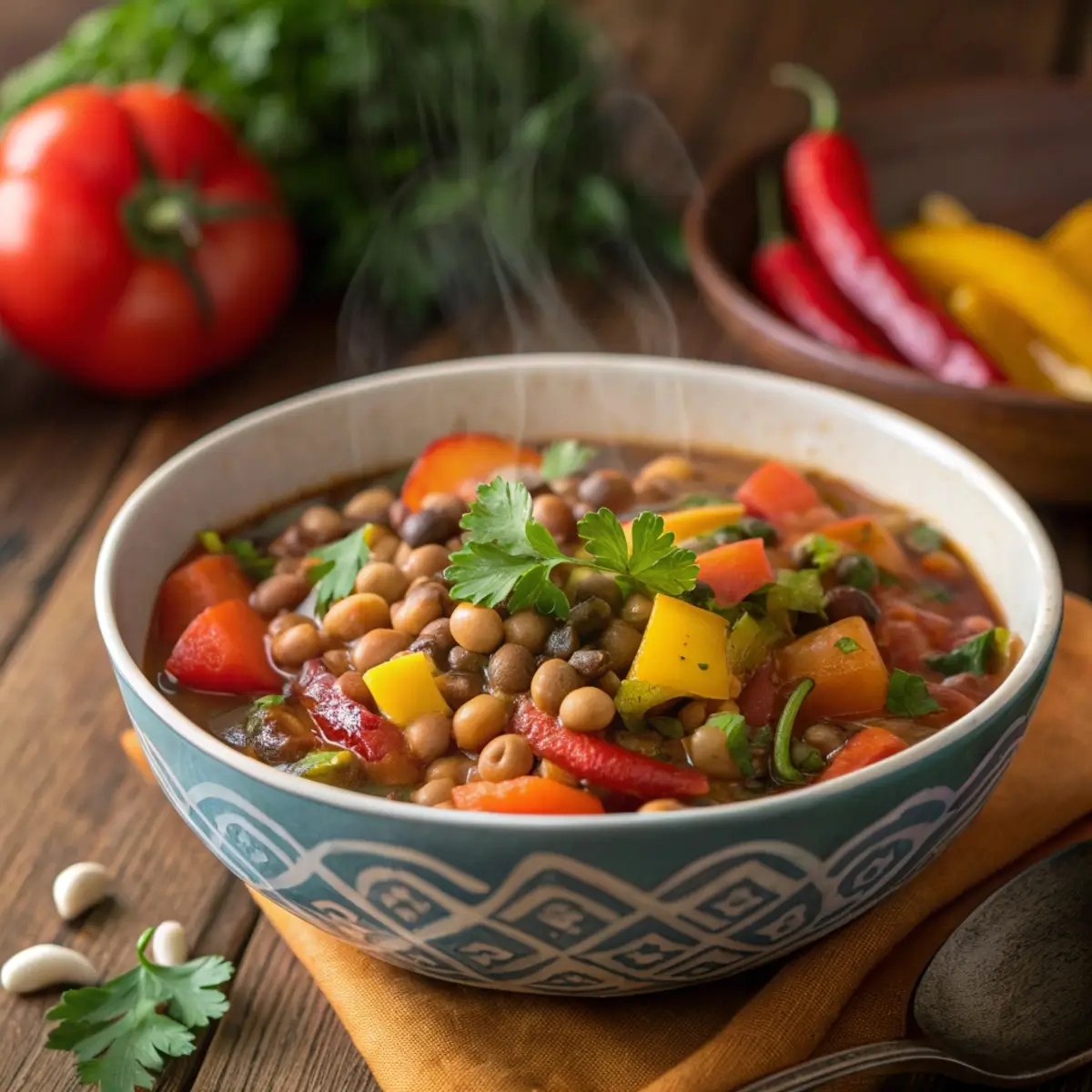
What Makes This Vegetarian Black Eyed Peas Recipe So Special?
When people think of black eyed peas, they often picture a traditional dish simmered with ham hocks or bacon. But this meatless version proves that plant-based cooking can deliver just as much richness and comfort. The key lies in building layers of flavor from vegetables, herbs, and spices that enhance the natural creaminess of black eyed peas.
Here’s why this vegetarian version stands out:
-
Deep flavor without meat: Smoked paprika, garlic, and sautéed vegetables create savory richness.
-
Naturally hearty: Black eyed peas have an earthy taste and creamy texture that shine in plant-based dishes.
-
Comforting but light: Perfect for weeknight dinners or meal prep.
-
Flexible: Works as a main dish or side, and pairs with nearly anything.
-
Wholesome ingredients: A nutrient-packed dish full of plant protein, fiber, and vitamins.
If you’re looking for a comforting bowl that feels traditional but stays completely vegetarian, this recipe delivers exactly that.
Ingredients for Vegetarian Black Eyed Peas
Black Eyed Peas
Dried peas offer the best texture and flavor, but you can also use canned peas for a quicker meal. If using dried, soak them for several hours or overnight for faster cooking.
Aromatics & Vegetables
These ingredients build the backbone of flavor:
-
Onion
-
Celery
-
Carrots
-
Bell pepper
-
Garlic
Each adds a subtle sweetness and depth that enhances the natural flavor of the peas.
Herbs & Spices
A balanced mix of herbs and spices gives the dish its cozy, comforting character:
-
Smoked paprika
-
Thyme
-
Bay leaves
-
Black pepper
-
Salt
-
Cayenne (optional)
-
Fresh parsley or green onions for garnish
Liquid
Vegetable broth adds richness, but water works if you increase the seasonings slightly.
Oil
Olive oil or another neutral oil helps sauté the vegetables and develop flavor.
How to Make Vegetarian Black Eyed Peas
Step 1: Prepare the Peas
If using dried peas, rinse them well and soak overnight. If using canned, rinse and drain to remove excess sodium.
Step 2: Sauté the Aromatics
Heat oil in a large pot. Add onions, celery, and carrots. Cook until softened and fragrant. Add bell pepper and garlic, cooking briefly until aromatic.
This aromatic base sets the stage for the slow-simmered flavors that follow.
Step 3: Add Seasonings
Stir in smoked paprika, thyme, salt, and black pepper. Toast briefly to deepen flavor.
Step 4: Add Peas & Broth
Pour in the soaked or canned peas and add enough vegetable broth to cover them generously. Drop in the bay leaves.
Step 5: Simmer Slowly
Bring the pot to a gentle simmer. If using soaked dried peas, cook for 45–60 minutes. If using canned peas, simmer for 20–30 minutes to allow flavors to meld.
Stir occasionally and add more broth if the mixture thickens too quickly.
Step 6: Adjust and Enrich
Taste the stew and adjust seasonings as needed. Add cayenne if you want some heat.
Step 7: Garnish and Serve
Remove bay leaves and sprinkle with fresh parsley or green onions. Serve warm and enjoy the comforting aroma and creamy texture.
Tips for Exceptional Flavor
Toast Your Spices
A quick toast in hot oil intensifies the smokiness of smoked paprika and helps spices bloom.
Don’t Rush the Simmer
Even canned peas benefit from time to absorb broth and aromatics.
Adjust Consistency
Add more broth for a soupier dish or simmer longer for a thick, stew-like result.
Add Greens
Leafy greens like kale, spinach, or collards make a nutritious addition.
Squeeze of Lemon
A splash of lemon juice at the end brightens and balances the richness.
Delicious Ways to Serve Vegetarian Black Eyed Peas
This dish is incredibly versatile. Enjoy it in one of these comforting ways:
Over Rice
White, brown, jasmine, or basmati rice all complement the hearty peas.
With Cornbread
A classic pairing that contrasts soft peas with crumbly, slightly sweet bread.
With Greens
Serve alongside collards, mustard greens, kale, or turnip greens.
With Crusty Bread
Perfect for soaking up the delicious broth.
As a Bowl Meal
Layer peas over quinoa or rice, then add sautéed greens and avocado.
As a Side Dish
Serve with roasted vegetables or a simple protein like tofu or grilled mushrooms.
Variations You Can Try
Spicy Black Eyed Peas
Add jalapeños, extra cayenne, crushed red pepper, or a spicy seasoning blend.
Tomato-Based
Add diced tomatoes or tomato paste for a stew with deeper body and acidity.
Veggie-Forward
Mix in zucchini, sweet potatoes, spinach, or mushrooms for a vegetable-packed dish.
Creamier Version
Mash a portion of the beans into the pot to thicken the stew naturally.
Fresh Herb Twist
Stir in fresh basil, cilantro, or rosemary for extra flavor.
Coconut Black Eyed Peas
Add coconut milk for a lightly creamy, subtly sweet variation.
Why This Recipe Works So Well Without Pork or Alcohol
Traditional black eyed peas often include pork for smokiness and richness. This vegetarian recipe achieves those same qualities using plant-based ingredients:
-
Smoked paprika adds smoky flavor.
-
Sautéed aromatics provide deep umami.
-
Vegetable broth creates a hearty base.
-
Slow simmering builds richness naturally.
By removing pork, bacon, and alcohol, the dish becomes healthier, lighter, and suitable for more dietary needs while still offering bold, satisfying flavor.
Nutrition Benefits
Black eyed peas are nutrient-dense and offer:
-
Plant-based protein
-
Fiber for digestion
-
Folate
-
Potassium
-
Iron
-
Antioxidants
Combined with vegetables, this dish becomes a powerhouse of vitamins and minerals. It’s filling, energizing, and perfect for balanced vegetarian meals.
Storage, Freezing & Reheating
Refrigeration
Store leftovers for 4–5 days in an airtight container.
Freezing
Freeze for up to 3 months. Thaw in the refrigerator overnight.
Reheating
Reheat on the stovetop or microwave. Add broth or water if needed to loosen the consistency.
This recipe gets even better the next day as flavors deepen.
Frequently Asked Questions
Can I use canned black eyed peas?
Yes. They cook quickly and still absorb flavors well. Just rinse before using.
Do I need to soak dried peas?
Soaking helps them cook faster and evenly, but you can cook them unsoaked by extending the simmer.
Can I make this recipe vegan?
It is naturally vegan as long as you use vegetable broth.
How do I make the stew thicker?
Mash a small portion of the peas or simmer uncovered to reduce the liquid.
Can I add meat if I’m not vegetarian?
Yes, but avoid pork. Smoked turkey or chicken works well.
Can I cook everything in one pot?
Yes! This recipe is fully stovetop-friendly.
Is this dish spicy?
Not unless you add cayenne or peppers. You can easily adjust heat levels.
What’s the best way to serve it?
Over rice, with cornbread, or alongside greens.
Can I double the recipe?
Absolutely. Just use a large enough pot.
Is this good for meal prep?
Yes—black eyed peas store and reheat extremely well.
Final Thoughts
Vegetarian Black Eyed Peas is one of those rare dishes that feels hearty enough for a main meal yet simple enough for everyday cooking. Packed with aromatic vegetables, nourishing legumes, and warming spices, this recipe proves that comforting Southern-inspired food doesn’t need pork or alcohol to taste incredible.
Whether enjoyed with rice, greens, warm bread, or on its own, this dish brings warmth, nourishment, and home-cooked comfort to your table. It’s affordable, flexible, nutritious, and absolutely delicious—perfect for weeknights, meal prep, or cozy weekends.
Enjoy every flavorful, comforting spoonful of this wholesome vegetarian classic!