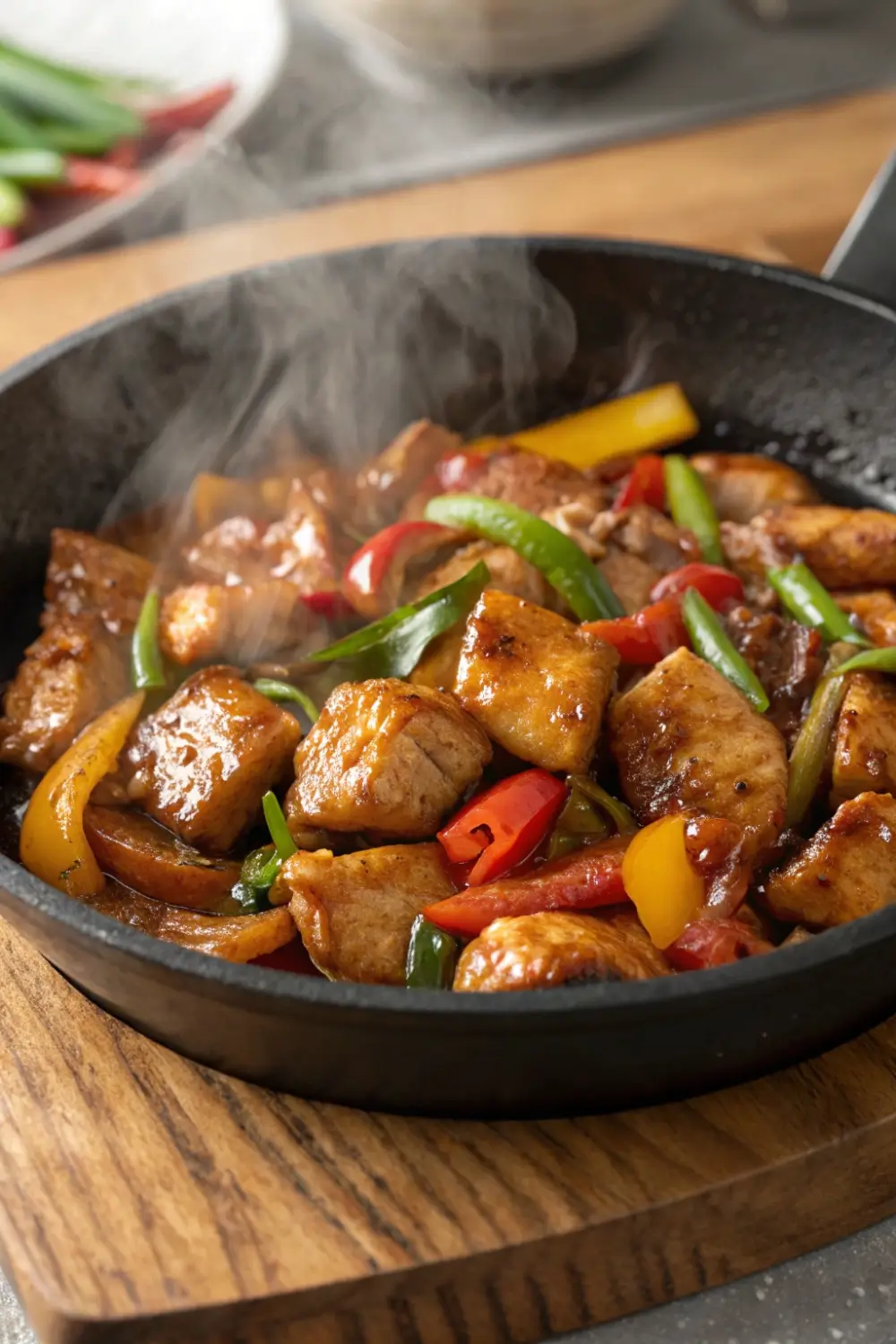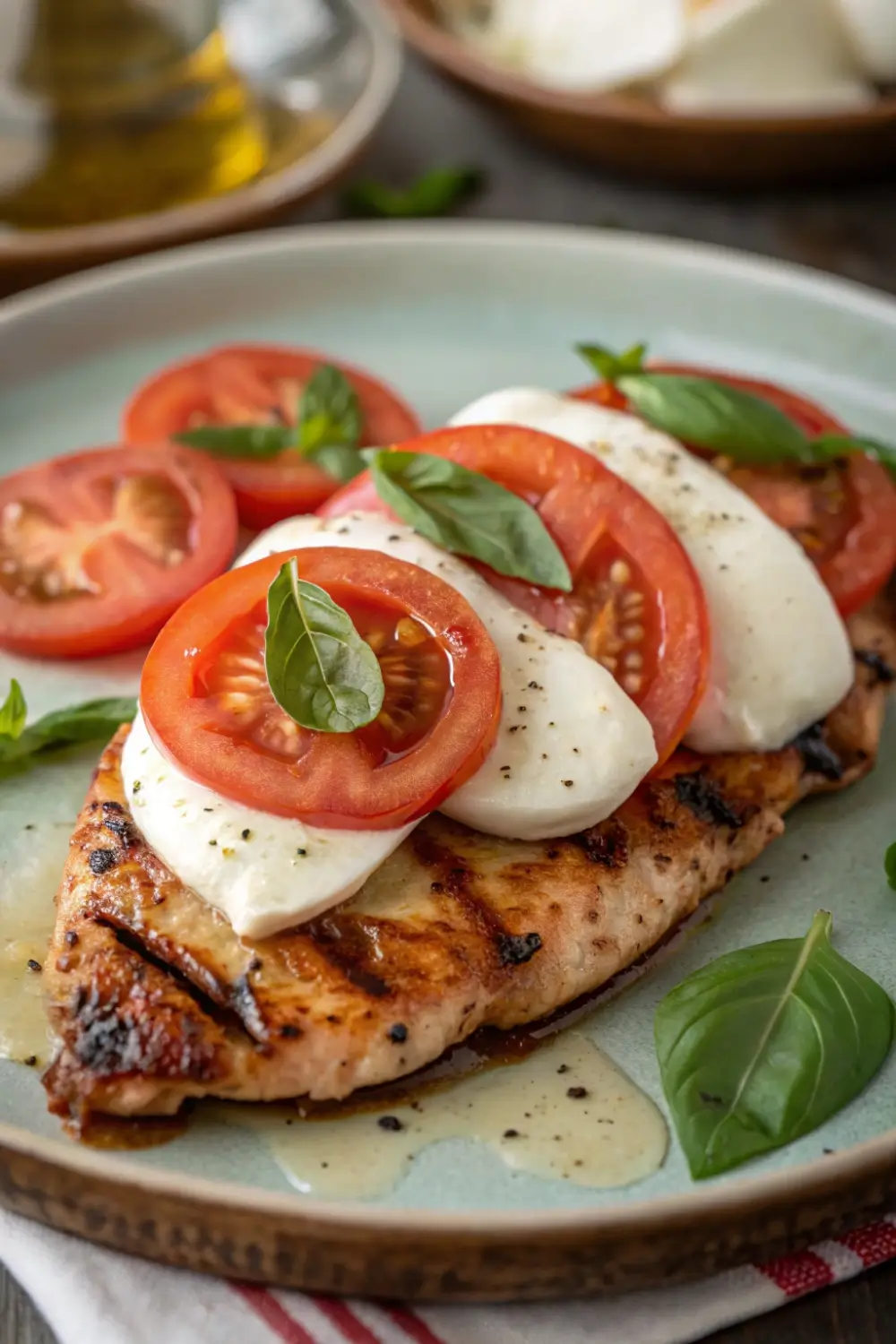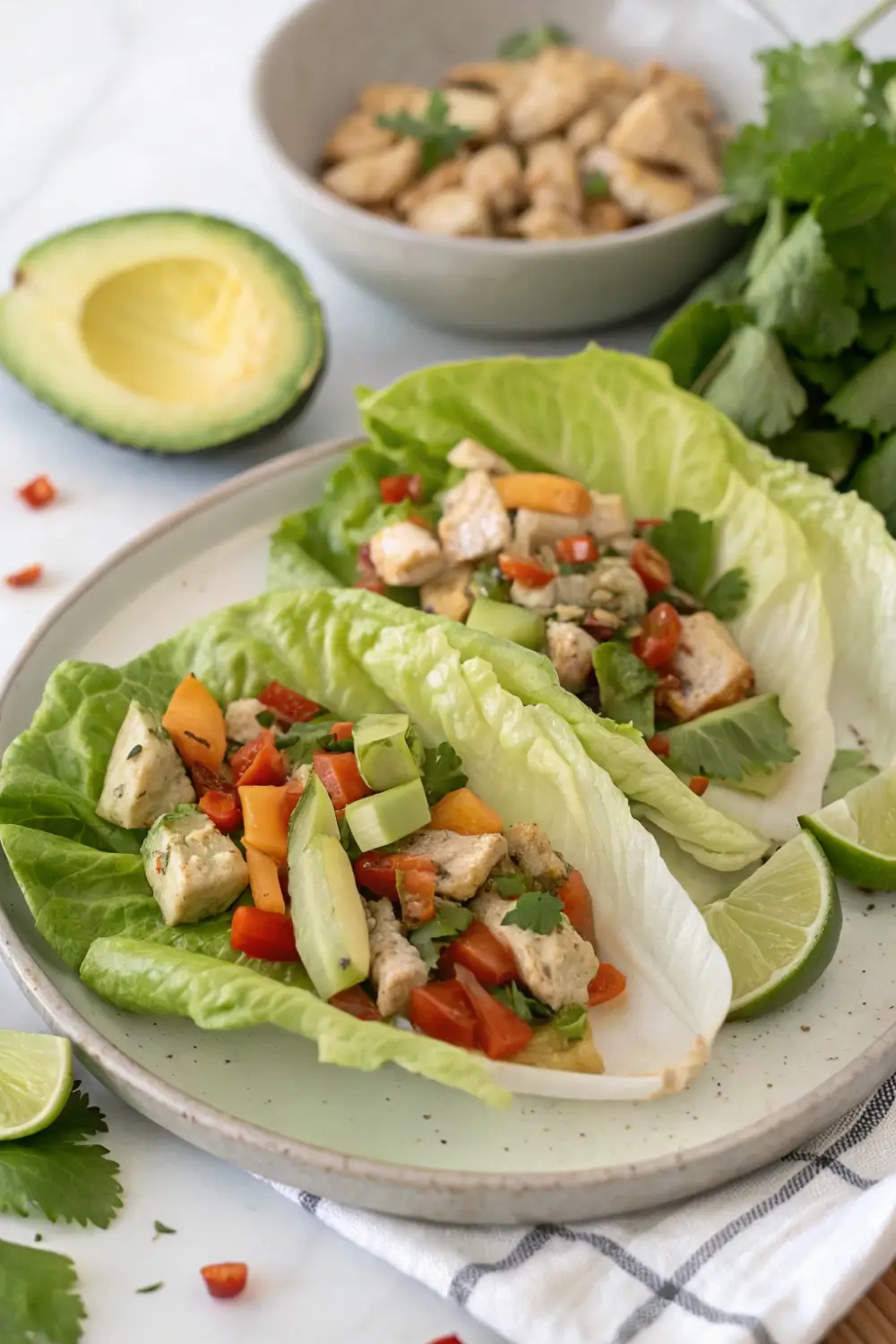
When you’re trying to eat healthier or support weight-loss goals, dinner can be one of the most challenging meals of the day. You’re tired, pressed for time, and want something that’s both satisfying and simple—but also light enough to fit your nutritional goals. That’s why Healthy Dinner Ideas for Weight Loss are essential. They help you avoid late-night overeating, give your body balanced nutrients, and leave you feeling nourished rather than sluggish.
Let’s dive into delicious, practical dinner ideas that fuel your goals and your taste buds.
Why Light, Balanced Dinners Support Weight Loss
Healthy dinners don’t need to be complicated or restrictive—they simply need to provide a balance of nutrients that keep you full while supporting overall health. The idea is to fuel your body with food that satisfies and nourishes you without pushing calorie intake too high late in the day.
Key Benefits of a Weight-Loss-Friendly Dinner
Supports Overnight Recovery
Evening meals that include lean proteins help repair muscles and maintain metabolism efficiency.
Prevents Late-Night Snacking
Eating balanced dinners can reduce cravings and emotional snacking before bed.
Stabilizes Blood Sugar
Balanced meals help regulate energy and prevent big spikes or crashes that lead to overeating.
Encourages Healthy Digestion
Fiber-dense vegetables and whole ingredients support digestion and gut health.
Helps Maintain Consistent Calorie Intake
A smart, portion-controlled dinner contributes to an overall daily calorie balance that aligns with weight-loss goals.
Healthy dinners are not about restriction—they’re about intention, balance, nourishment, and flavor.
What Makes a Healthy Weight-Loss Dinner?
Successful weight-loss dinners follow a simple formula. If you build your meals using these core components, you’ll naturally achieve balance without feeling deprived.
The Simple Dinner Formula
Lean Protein
Examples include:
-
Chicken breast
-
Turkey
-
Fish
-
Shrimp
-
Beans or lentils
-
Tofu or tempeh
Protein controls hunger and stabilizes blood sugar levels.
Fiber-Rich Vegetables
Include at least 2–3 cups of:
-
Broccoli
-
Spinach
-
Zucchini
-
Bell peppers
-
Cauliflower
-
Green beans
-
Mixed leafy greens
They add volume with very few calories.
Smart Carbohydrates (Optional)
These can be included in moderated amounts:
-
Brown rice
-
Sweet potato
-
Quinoa
-
Whole grains
They support energy and fullness.
Healthy Fats
Just a small amount helps with nutrient absorption and flavor:
-
Olive oil
-
Avocado
-
Nuts
-
Seeds
When combined, these components create filling meals that remain light, flavorful, and satisfying.
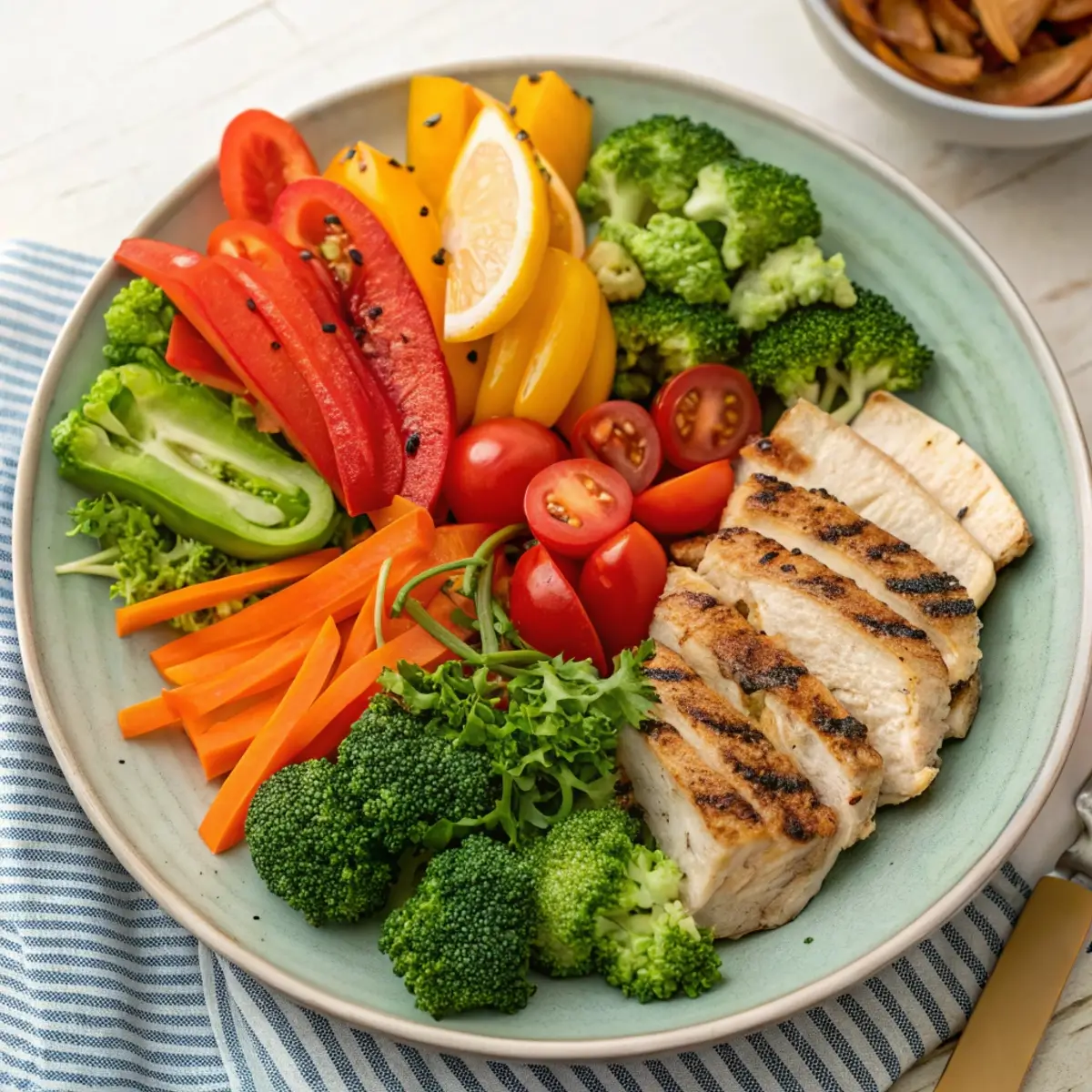
Main Recipe: Light & Filling Chicken and Vegetable Weight-Loss Dinner
This unique recipe is simple, colorful, and designed for weight balance—without sacrificing taste or satisfaction. It uses lean protein, roasted vegetables, and fresh herbs for a meal that’s naturally low in calories but big on flavor.
Ingredients
Lean Protein
-
2 boneless, skinless chicken breasts
-
1 tablespoon olive oil
-
Juice of ½ lemon
-
1 teaspoon garlic powder
-
1 teaspoon paprika
-
½ teaspoon dried basil
-
½ teaspoon dried oregano
-
½ teaspoon onion powder
-
½ teaspoon salt
-
¼ teaspoon black pepper
Roasted Vegetables
Choose 3–5 of the following:
-
1 cup broccoli florets
-
1 cup cauliflower florets
-
1 zucchini, sliced
-
1 red bell pepper, sliced
-
1 yellow bell pepper, sliced
-
1 cup carrots, chopped
-
½ red onion, sliced
-
1 tablespoon olive oil
-
Salt and pepper to taste
Optional Sides (Choose One)
-
½ cup quinoa
-
½ cup brown rice
-
½ medium sweet potato (roasted or steamed)
-
Mixed greens salad with lemon
Fresh Garnishes
-
Lemon wedges
-
Chopped parsley
-
Chopped cilantro
-
Chili flakes (optional)
Instructions
Prepare the Chicken
Step 1: Tenderize
Pound chicken breasts to an even thickness to ensure quick, consistent cooking.
Step 2: Season
Mix oil, lemon juice, garlic powder, paprika, basil, oregano, onion powder, salt, and pepper.
Coat chicken evenly.
Step 3: Marinate
Allow the chicken to rest for 15–20 minutes while preparing vegetables.
(It can also be refrigerated up to 8 hours if prepping ahead.)
Prepare the Vegetables
Step 1: Chop
Cut vegetables into equal-sized pieces so they roast evenly.
Step 2: Season
Toss with olive oil, salt, pepper, and any herbs you like.
Step 3: Roast
Spread on a baking sheet and roast at 400°F (200°C) for 18–22 minutes, flipping halfway.
Cook the Chicken
Option 1: Pan Sear (Fastest)
Heat a skillet over medium-high heat.
Cook each chicken breast for 6–7 minutes per side until golden and fully cooked.
Option 2: Bake
Place seasoned chicken on a lined baking sheet.
Bake at 400°F (200°C) for 20–25 minutes, depending on thickness.
Option 3: Air Fryer
Cook at 380°F (193°C) for 12–14 minutes, flipping halfway.
Chicken is done when it reaches 165°F (75°C) internally.
Assemble the Plate
Step 1: Add Your Optional Base
Quinoa, brown rice, sweet potato, or salad greens.
Step 2: Add a Heaping Portion of Vegetables
Volume is key for weight loss—don’t be shy.
Step 3: Slice and Add Chicken
Cut into strips or cubes.
Step 4: Garnish
Add lemon juice, herbs, or a pinch of chili flakes.
A beautifully balanced and light dinner is ready.
Estimated Nutrition (Per Serving)
Depending on sides chosen:
-
Calories: 350–480
-
Protein: 32–40 g
-
Carbohydrates: 20–40 g
-
Fiber: 6–10 g
-
Fat: 9–14 g
High protein + high fiber + moderate carbs = long-lasting fullness with fewer calories.
Additional Healthy Dinners for Weight Loss
Below are multiple weight-loss-friendly dinner ideas you can rotate for variety, all free of pork, bacon, and alcohol.
Vegetable-Forward Dinners
Roasted Veggie & Chickpea Bowl
Toss chickpeas and vegetables with light seasoning and roast for a nutrient-packed bowl.
Zucchini Noodle Stir Fry
Use zucchini noodles with chicken, tofu, or shrimp and lots of veggies.
Cauliflower Rice Burrito Bowl
Top with lean protein, tomatoes, lettuce, black beans, and avocado.
Stuffed Bell Peppers
Use quinoa, vegetables, and lean ground turkey or beans.
Lean-Protein Dinner Ideas
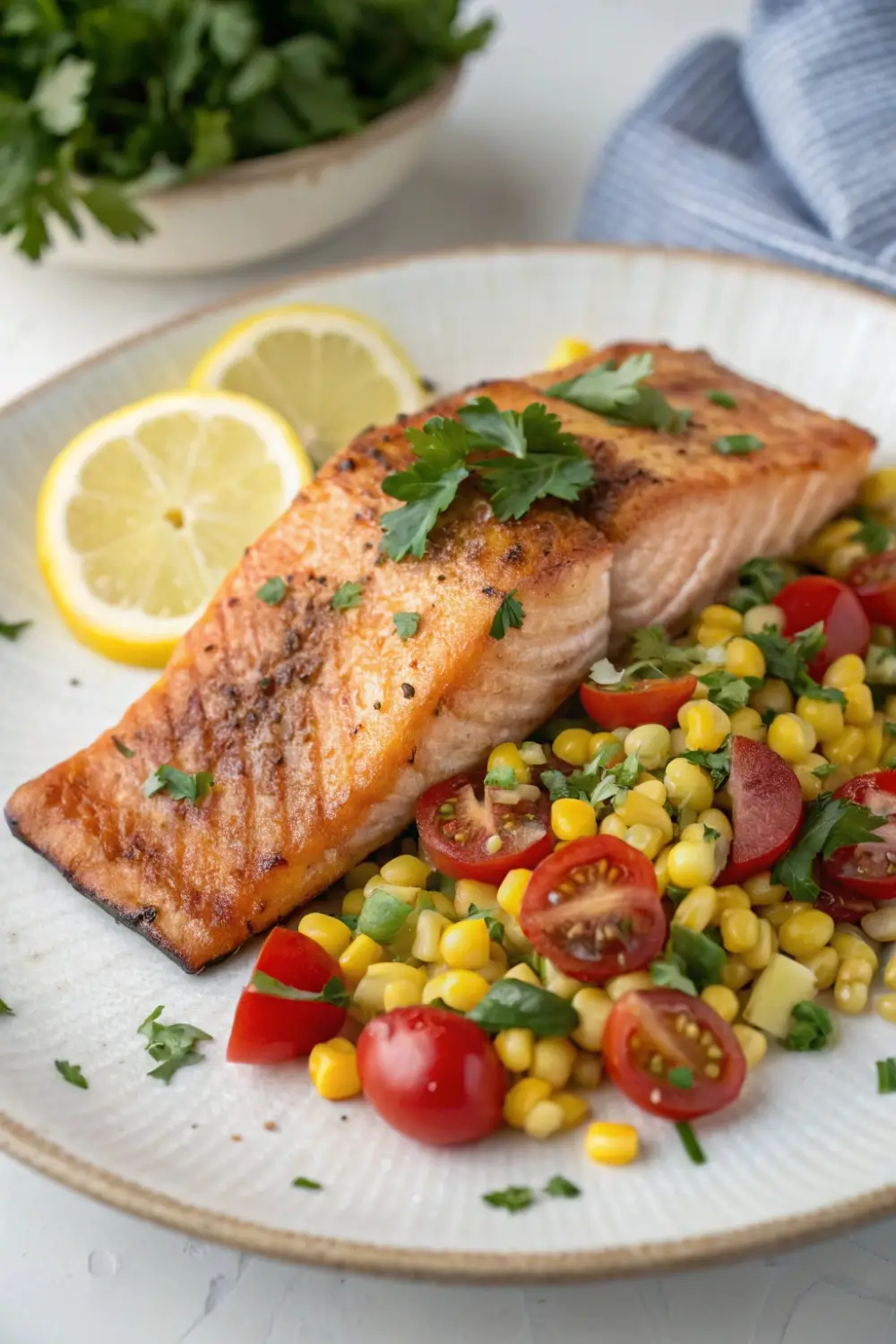
Lemon Herb Salmon
Roast with asparagus and serve with a salad.
Turkey & Veggie Skillet
Quick 20-minute meal loaded with vegetables.
Garlic Shrimp & Broccoli
Fast stovetop dinner that’s naturally low in calories.
Tofu & Vegetable Stir Fry
Light, plant-based, and high-protein.
Light Soup and Stew Ideas
Chicken Vegetable Soup
Low-calorie, warm, and filling.
Lentil & Vegetable Stew
High in fiber and very satisfying.
Tomato Basil Soup with Beans
Comforting but light.
Healthy Bowls for Weight Loss
Mediterranean Chicken Bowl
With tomatoes, cucumbers, quinoa, herbs, and lemon.
Asian-Inspired Vegetables & Tofu Bowl
With ginger, garlic, and vegetables.
Sweet Potato & Greens Bowl
Heart-healthy and nutrient dense.
Tips for Making Weight-Loss Dinners More Satisfying
Load Your Plate with Vegetables
Aim for half the plate filled with non-starchy vegetables.
Add Enough Protein
Protein controls hunger better than carbs or fats alone.
Use Herbs and Spices
Flavor without calories makes eating enjoyable.
Avoid Creamy Sauces
Use lemon, yogurt-based dressings, or simple olive oil mixtures.
Cook in Large Batches
Meal prep makes healthy eating easier and reduces temptation.
Don’t Fear Carbohydrates
Choose whole-food carbs in moderate portions to support energy.
Common Mistakes to Avoid When Cooking for Weight Loss
Using Too Little Protein
This leads to evening hunger and late-night snacking.
Relying on Low-Calorie but Low-Nutrient Meals
You need nutrients, not just low calories.
Adding Too Much Oil
Oil is healthy but calorie-dense—measure it intentionally.
Forgetting Flavor
If food isn’t enjoyable, it becomes harder to stay consistent.
Eating Too Late
Late-night overeating disrupts weight balance.
How to Build a Healthy Dinner Plate for Weight Loss
Follow this ratio:
-
40–50% vegetables
-
25–35% lean protein
-
20–30% healthy carbs or whole grains
-
5–10% healthy fats
This supports fullness, nutrition, and energy.
Meal Prep Strategy for Weight-Loss Dinners
Step 1: Choose 2 Proteins
Chicken, turkey, tofu, shrimp, or fish.
Step 2: Prepare 3–4 Vegetables
Roast, steam, or sauté.
Step 3: Prepare 1–2 Whole Grains
Brown rice, quinoa, barley, or sweet potatoes.
Step 4: Store in Containers
Mix and match throughout the week.
Step 5: Keep Healthy Toppings Ready
Lemon, herbs, cucumber, cherry tomatoes, or greens.
Frequently Asked Questions
Do I need to avoid carbs for weight loss?
No—whole food carbs like brown rice and sweet potatoes support energy and fullness.
How much protein should I include in dinner?
Aim for 25–40 grams depending on your needs.
Are low-calorie meals always better?
Not necessarily; nutrients and fullness matter more than calories alone.
Can I make these meals vegetarian?
Yes—use tofu, beans, or lentils as your lean protein.
Is it okay to eat after 7 PM?
Yes, timing is flexible; focus on balanced portions.
What is the best cooking method for weight loss?
Roasting, air frying, steaming, grilling, or slow cooker meals.
Can I eat healthy fats at dinner?
Absolutely—just use small portions.
What can I eat instead of chicken?
Fish, shrimp, tofu, beans, or turkey.
What if I don’t have time to cook?
Use meal prep or choose 10-minute meals like stir fry or salads.
Are these meals good for families?
Yes—they’re balanced, flavorful, and easy to adjust.
Final Thoughts
Healthy dinners for weight loss should be flavorful, colorful, and nourishing—not boring or restrictive. By focusing on lean proteins, vibrant vegetables, whole grains, and fresh herbs, you can create endless satisfying meals that support your goals without feeling deprived.
This complete guide and recipe provide everything you need to build simple, light, and filling dinners that work for your lifestyle. Whether you’re cooking for yourself or a family, these meals make healthy eating enjoyable, sustainable, and truly delicious.