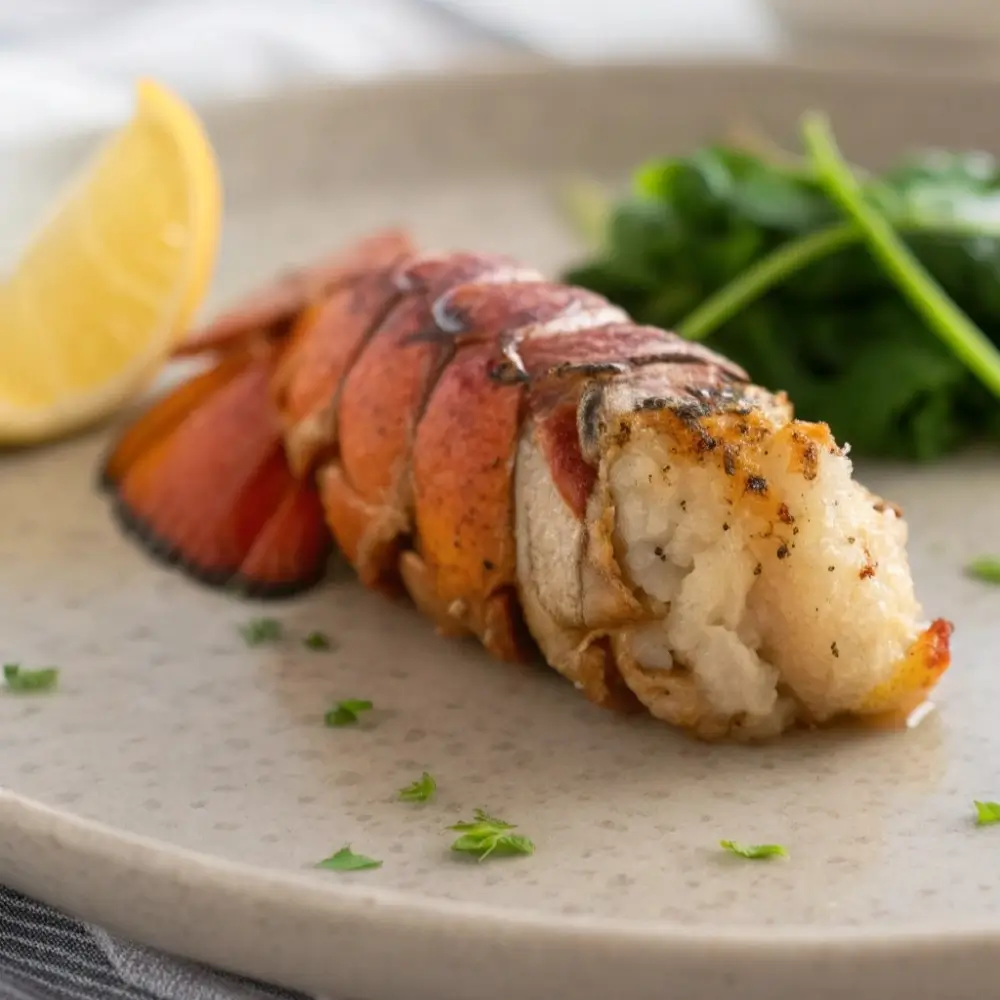
Why Minimal-Ingredient Cooking Works So Well with Lobster
Lobster tail is one of those rare ingredients that doesn’t need much help. Its natural sweetness, soft texture, and clean flavor are already present—you just need to protect them. Adding too many ingredients often masks what makes lobster special in the first place.
Minimal-ingredient cooking focuses on restraint. Instead of piling on seasonings, sauces, or extras, this approach highlights the lobster itself. When cooked gently and seasoned simply, lobster becomes tender, juicy, and deeply satisfying without feeling heavy.
This recipe is designed for cooks who appreciate clarity in flavor and confidence in technique. It’s about doing less—but doing it well.
What “Minimal Ingredients” Really Means Here
Minimal doesn’t mean bland. It means intentional.
Fewer Ingredients, Better Balance
Each ingredient has a clear role and purpose.
Natural Flavor Comes First
The lobster remains the star, not the seasoning.
Cleaner Finish
The final dish tastes fresh, rich, and uncomplicated.
Less Stress in the Kitchen
With fewer components, there’s less room for error.
This is the kind of recipe you can trust.
Understanding Lobster Tail Before You Cook
Flavor Profile
Lobster tail has a naturally sweet, slightly briny flavor that becomes richer as it cooks.
Texture Goals
Perfect lobster is tender and juicy, never rubbery or dry.
The Biggest Risk
Overcooking is the main thing to avoid. This recipe is designed to prevent that.
Choosing Lobster Tails for the Best Results
Frozen Lobster Tails Are Ideal
Most home cooks use frozen lobster tails, and they work beautifully when thawed correctly.
Best Size for Juiciness
-
6–8 ounce lobster tails cook evenly and retain moisture well
What to Look For
Choose lobster tails with intact shells and no freezer burn. Once thawed, the meat should be firm and slightly translucent.
Thawing Lobster Tails the Simple Way
Proper thawing is essential for juicy lobster.
Refrigerator Thaw
Place lobster tails on a plate and thaw in the refrigerator for 8–12 hours.
Cold Water Thaw
Seal lobster tails in a bag and submerge in cold water for 30–45 minutes, changing water once if needed.
Avoid warm water, which can damage the texture.
Why Simple Preparation Makes Lobster Juicier
Minimal handling keeps the meat intact and tender. Overworking lobster can cause moisture loss before it even reaches the oven.
This recipe uses a straightforward shell preparation that improves both cooking and presentation without unnecessary steps.
Preparing Lobster Tails with Minimal Effort
Cutting the Shell
Use kitchen scissors to cut down the center of the shell, stopping before the tail fin.
Loosening the Meat
Gently loosen the meat from the shell using your fingers or a spoon.
Optional Lift
Lift the meat slightly and rest it on top of the shell. This helps it cook evenly but isn’t required for success.
Juicy Lobster Tail Recipe with Minimal Ingredients
Ingredients
-
2 lobster tails (6–8 oz each)
-
3 tablespoons unsalted butter, melted
-
1 tablespoon lemon juice
-
½ teaspoon salt
-
¼ teaspoon black pepper
That’s it.
Instructions
-
Preheat the oven to 425°F (220°C).
-
Prepare lobster tails by cutting the shell and loosening the meat.
-
Place lobster tails in a baking dish in a single layer.
-
In a small bowl, mix melted butter, lemon juice, salt, and pepper.
-
Brush the mixture evenly over the lobster meat.
-
Bake uncovered for 12–15 minutes, depending on size.
-
Remove from the oven when the meat turns opaque and feels tender.
-
Spoon any remaining butter from the pan over the lobster before serving.
Simple, focused, and effective.
How This Recipe Keeps Lobster Juicy
High Heat, Short Time
Cooking at a higher temperature for a short time seals in moisture.
Butter as a Protective Layer
Butter coats the meat, reducing moisture loss during baking.
Minimal Seasoning
Less salt and acid means less moisture pulled from the meat.
How to Tell When Lobster Is Perfectly Cooked
-
Meat turns opaque white
-
Texture feels firm but springy
-
Lobster looks plump and glossy
If unsure, remove early and check. Lobster finishes cooking quickly.
Why This Recipe Works for Clean Eating Styles
This lobster tail recipe fits naturally into clean and simple eating approaches.
-
No heavy sauces
-
No processed ingredients
-
No overpowering flavors
It’s satisfying without feeling weighed down.
Side Dishes That Match a Minimal Approach
Keep sides simple and supportive.
Steamed Vegetables
Broccoli, green beans, or carrots add freshness.
Plain Rice or Quinoa
Neutral grains balance the richness.
Light Salad
A simple green salad keeps the meal bright.
Roasted Potatoes
Lightly seasoned and oven-roasted, they complement lobster well.
Plating Tips for a Clean, Elegant Look
-
Use neutral plates
-
Avoid overcrowding the plate
-
Add lemon wedges only if desired
Less on the plate often looks more refined.
Cooking for One or Two with Ease
This recipe is ideal for small meals. One lobster tail per person feels generous but not excessive.
For more servings, simply increase quantities and keep lobster tails in a single layer.
Making This Recipe Part of Your Routine
Because it uses so few ingredients, this lobster tail recipe fits easily into regular cooking routines. It doesn’t require special shopping or long prep times, making it realistic even on busy days.
Storing and Reheating Without Drying Out
Storage
Store leftovers in an airtight container in the refrigerator for up to 2 days.
Reheating
Reheat gently in the oven at low heat, covered with foil and a small amount of butter. Avoid microwaving.
Common Mistakes That Reduce Juiciness
Overcooking
Always the biggest risk. Set a timer and check early.
Using Too Much Lemon
A small amount brightens flavor; too much dries the meat.
Skipping Butter
Butter helps protect moisture during cooking.
Cooking at Low Heat
Low heat dries lobster before it cooks through.
Why Minimal Ingredients Feel More Luxurious
Luxury often comes from restraint. When flavors are clear and textures are perfect, the meal feels intentional and elevated without excess.
This lobster tail recipe embraces that philosophy fully.
Frequently Asked Questions
Can lobster really be flavorful with so few ingredients?
Yes. Lobster’s natural flavor shines when not covered up.
Is this recipe suitable for beginners?
Absolutely. The steps are simple and forgiving.
How much lobster should I serve per person?
One 6–8 ounce tail per person is ideal.
Can I add herbs or spices?
You can, but the recipe is designed to succeed without them.
What if my lobster looks slightly undercooked?
Return it to the oven for 1–2 minutes and check again.
Can I prepare lobster tails ahead of time?
You can prep the shells and butter mixture a few hours in advance.
Final Thoughts on Juicy Lobster Tail with Minimal Ingredients
This recipe proves that great cooking doesn’t require complexity. By focusing on quality lobster, gentle cooking, and just a few well-chosen ingredients, you get a dish that feels clean, rich, and deeply satisfying.
The lobster stays juicy, tender, and full of its natural flavor, making each bite feel intentional and rewarding. Whether you’re cooking for yourself, a partner, or a small gathering, this recipe delivers consistent results without stress.
Once you experience how effective minimal-ingredient cooking can be, this lobster tail recipe may become your go-to choice whenever you want something simple, elegant, and truly delicious.