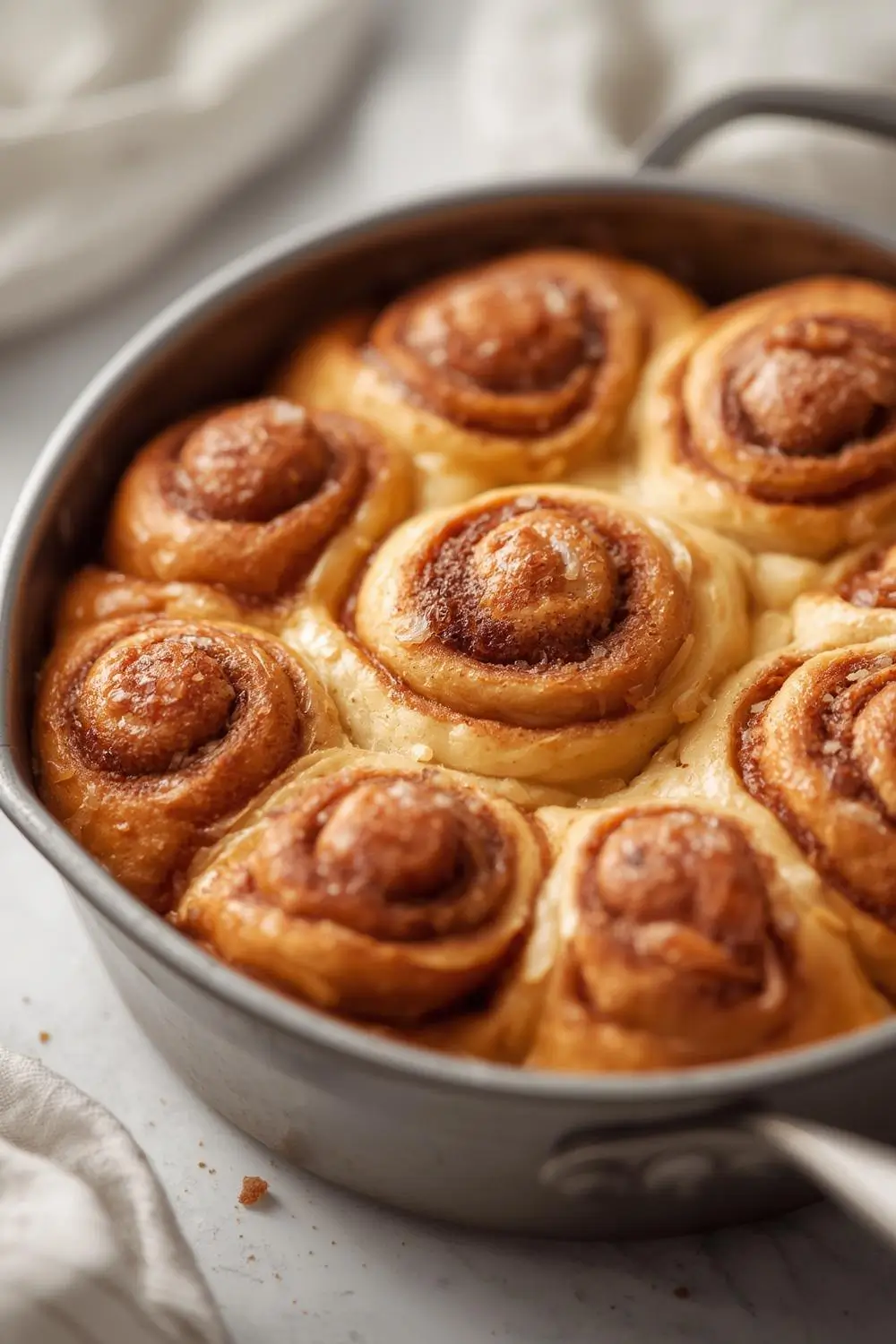
The sweet, comforting aroma ofcinnamon rolls baking in your kitchen is pure magic. These small batch cinnamon rolls are your ticket to that heavenly scent without the overwhelming quantity. Perfect for a cozy weekend breakfast or a special treat, this recipe delivers soft, pillowy rolls with a gooey cinnamon-sugar center, all crafted for beginners or smaller households. Forget complicated techniques or massive batches – this foolproof method uses simple ingredients and minimal steps to create bakery-worthy results right in your own pan. Let’s dive into the joy of homemade cinnamon rolls, tailored just for you.
Ingredients Explained: Building Your Cinnamon Roll Foundation
- All-Purpose Flour: The backbone of your dough. It provides structure and a tender crumb. Don’t substitute with bread flour unless specified, as it can make the rolls denser.
- Warm Milk (Whole or 2% recommended): Essential for activating the yeast and creating a soft, pliable dough. Warm it gently (110-115°F / 43-46°C) – too hot kills the yeast, too cold won’t activate it.
- Active Dry Yeast: The leavening agent that makes your rolls rise. Ensure it’s fresh and within its expiration date. If using instant yeast, you can mix it directly with the dry ingredients.
- Granulated Sugar: Feeds the yeast for rising and adds a touch of sweetness. The remaining sugar is for the filling.
- Salt: Crucial for flavor balance. It enhances the sweetness and controls yeast activity.
- Large Egg: Adds richness, structure, and helps the dough bind together. Room temperature is best.
- Unsalted Butter: Melted and cooled slightly. Provides flavor, tenderness, and richness. Use high-quality butter for the best taste.
- Softened Unsalted Butter (for filling): Creates the luscious, spreadable layer between the dough and the cinnamon-sugar filling.
- Brown Sugar (Light or Dark): Packed tightly. Its molasses content adds deeper flavor and caramelization compared to white sugar.
- Ground Cinnamon: The star spice! Use a generous amount for that classic cinnamon roll flavor. Freshly ground is ideal.
- Cream Cheese (for frosting – optional but recommended): Adds a tangy contrast to the sweetness. Full-fat is best.
- Powdered Sugar: Sweetens the frosting and gives it a smooth texture.
- Vanilla Extract: Enhances all the flavors beautifully.
Step-by-Step Instructions: From Bowl to Oven
1. Activate the Yeast (10-15 mins): In a large bowl or the bowl of your stand mixer, combine the warm milk, 1 tablespoon of granulated sugar, and the active dry yeast. Stir gently and let it sit undisturbed for 10-15 minutes. It should become foamy on top – this means your yeast is alive and active! If it doesn’t foam, your yeast might be expired, and you’ll need to start over.
2. Mix the Dough Base: Once foamy, add the melted and slightly cooled butter, the egg, and the remaining granulated sugar to the yeast mixture. Whisk until well combined.
3. Incorporate the Flour and Salt: Gradually add about 2 cups of the flour and the salt to the wet ingredients. Using a wooden spoon or the dough hook on your mixer set to low speed, mix until a shaggy dough forms and most of the flour is incorporated.
4. Knead the Dough (5-10 mins): Turn the dough out onto a lightly floured surface. If using a mixer, switch to a dough hook and knead on medium-low speed for 5-7 minutes. By hand, knead vigorously for 8-10 minutes. The dough is ready when it becomes smooth, elastic, and springs back when you gently poke it with your finger. It should be slightly tacky but not sticky. Add small amounts of flour (1 tablespoon at a time) only if it’s excessively sticky.
5. First Rise (1-1.5 hours): Lightly grease a large bowl with oil or butter. Place the dough ball in the bowl, turning it once to coat it lightly with oil. Cover the bowl tightly with plastic wrap or a damp kitchen towel. Let it rise in a warm, draft-free spot until doubled in size. This could take 60-90 minutes depending on your kitchen temperature. Don’t rush this step – proper rising is key to light, fluffy rolls.
6. Prepare the Filling: While the dough rises, make your cinnamon-sugar filling. In a small bowl, combine the packed brown sugar, 2 tablespoons of ground cinnamon, and a pinch of salt. Mix well. Set aside.
7. Shape the Rolls (15 mins): Once the dough has doubled, punch it down gently to release the air. Turn it out onto a lightly floured surface. Roll the dough into a 12×16 inch rectangle, about 1/4 inch thick. Spread the softened butter evenly over the entire surface, leaving a 1/2 inch border around the edges.
8. Add the Filling: Sprinkle the cinnamon-sugar mixture evenly over the buttered dough, pressing it gently so it adheres.
9. Roll Up and Cut: Starting from the long edge closest to you, tightly roll the dough up into a log. Pinch the seam closed. Using a sharp knife or dental floss, cut the log into 8 equal pieces (about 1.5 inches thick each). Place the rolls cut-side up in a lightly greased 8-inch or 9-inch round or square baking pan.
10. Second Rise (30-45 mins): Cover the pan loosely with plastic wrap or a towel. Let the rolls rise again in a warm spot until they look puffy and have expanded, about 30-45 minutes. They should look noticeably larger than when you placed them in the pan.
11. Preheat and Bake (20-25 mins): While the rolls rise, preheat your oven to 350°F (175°C). Once the rolls have risen, place them in the preheated oven and bake for 20-25 minutes, or until the tops are golden brown and the rolls are cooked through. A toothpick inserted into the center should come out clean or with just a few moist crumbs.
12. Make the Frosting (while rolls cool slightly): While the rolls bake, make the cream cheese frosting. In a medium bowl, beat the softened cream cheese and softened butter together until smooth. Gradually add the powdered sugar, beating well. Beat in the vanilla extract. The frosting should be creamy and spreadable. If it’s too thick, add a tiny splash of milk or cream; if too thin, add a bit more powdered sugar.
13. Frost and Serve: As soon as the rolls come out of the oven, spread the frosting generously over the warm rolls. The heat helps the frosting melt slightly and soak in slightly, creating an extra layer of deliciousness. Serve immediately while warm and gooey. Enjoy the fruits of your labor!
Variations and Substitutions: Making it Your Own
- Nutty Twist: Add 1/2 cup of chopped walnuts, pecans, or almonds to the cinnamon-sugar filling before rolling.
- Fruit Infusion: Fold in 1/2 cup of raisins, dried cranberries, or diced apples (tossed in a little flour to prevent sinking) into the filling.
- Cream Cheese Filling: Instead of a simple cinnamon roll, create a cream cheese swirl. After rolling the dough log but before cutting, slice the log lengthwise. Spread a layer of cream cheese frosting down the center, then carefully roll it back up and cut. Place cut-side up in the pan.
- Glaze Options: Use an orange glaze (powdered sugar + orange juice + zest) instead of cream cheese frosting. Or make a simple vanilla glaze (powdered sugar + milk + vanilla).
- Vegan Option: Use plant-based milk (soy, almond, oat) and vegan butter. Ensure your yeast is vegan. Use a flax egg (1 tbsp ground flaxseed + 3 tbsp water, let sit 5 mins) instead of a regular egg.
- Whole Wheat: Substitute up to 1 cup of the all-purpose flour with whole wheat flour for a nuttier flavor and added fiber (dough may be slightly denser).
- No Stand Mixer? Kneading by hand is perfectly fine! Just be patient and use the windowpane test (stretch a small piece of dough thin enough to see light through without tearing).
Storage and Reheating: Keeping the Magic Alive
- Room Temperature: Store cooled rolls in an airtight container at room temperature for up to 2 days. Reheat gently in the microwave for 15-20 seconds or in a low oven (300°F / 150°C) for 5-10 minutes to restore softness.
- Refrigerator: For longer storage (up to 5 days), wrap cooled rolls tightly in plastic wrap and store in the fridge. Reheat as above.
- Freezer: Wrap individual rolls tightly in plastic wrap, then place in a freezer bag. Freeze for up to 3 months. Thaw overnight in the fridge, then reheat gently. For best texture, reheat from frozen in the microwave for 30-45 seconds or in a low oven.
Common Mistakes to Avoid: Mastering the Perfect Roll
1. Killing the Yeast: Using water that’s too hot (above 115°F / 46°C) is the most common mistake. Test the milk temperature with your finger – it should feel comfortably warm, like bath water, not hot.
2. Under-Proofing: If the dough doesn’t rise sufficiently before baking, your rolls will be dense and heavy. Be patient! Place the covered bowl in a warm spot (like an oven with the light on) if your kitchen is cool.
3. Over-Kneading: While kneading is important, over-kneading can make the dough tough. Stop when it’s smooth and elastic. The windowpane test is your friend.
4. Too Much Flour: Adding too much flour during kneading makes the dough dry and tough. Add flour gradually only if absolutely necessary. The dough should be tacky but not sticky.
5. Over-Baking: Baking too long makes rolls dry. They’re done when golden brown and a toothpick comes out clean. The internal temperature should be around 190-200°F (88-93°C).
6. Frosting Too Early: Frosting warm rolls is fine, but if the rolls are too hot, the frosting will melt into a puddle. Let them cool for just 5-10 minutes before frosting for the best results.
FAQs: Your Cinnamon Roll Questions Answered
1. Can I use instant yeast instead of active dry yeast? Yes! You can mix instant yeast directly with the dry ingredients (flour, sugar, salt) before adding the wet ingredients. No need to activate it first.
2. My dough is too sticky. What should I do? Add flour very gradually, a tablespoon at a time, while kneading. Don’t add too much at once. The dough should be soft and slightly tacky, not wet.
3. My rolls didn’t rise much in the second rise. Why? Ensure your kitchen is warm enough (around 75-80°F / 24-27°C is ideal). The dough might have been over-kneaded, making it too tight to rise well. Check your yeast expiration date.
4. Can I make these rolls ahead of time? Absolutely! You can shape and cut the rolls, place them in the pan, cover, and refrigerate overnight. Let them come to room temperature for about 30-45 minutes before baking. You can also freeze the shaped rolls (before the second rise) for up to a month. Thaw overnight in the fridge and proceed with the second rise and baking.
5. How do I know when the rolls are done baking? They should be golden brown on top and sound hollow when tapped on the bottom. A toothpick inserted into the center should come out clean or with just a few moist crumbs (not wet batter).
6. Can I use a different pan? A round 8-inch or 9-inch pan works perfectly. A square 8×8 inch pan is also great. Avoid deep pans as the rolls need space to rise.
7. Why are my rolls dense? This is often due to under-proofing (not rising long enough) or over-kneading. Ensure proper rising time and gentle kneading.
8. Can I use milk alternatives? Yes, unsweetened almond milk, soy milk, or oat milk work well. Avoid coconut milk as it can be too rich. Use the same amount as you would whole milk.
9. How do I store leftover frosting? Store any leftover frosting in an airtight container in the refrigerator for up to 5 days. Let it come to room temperature and beat it again before using. It can also be frozen for up to 3 months.
10. Can I double this recipe? Yes, you can easily double the ingredients and use a larger pan (like a 9×13 inch). Adjust baking time slightly if needed (check for doneness around 25-30 minutes).
Conclusion: The Reward of Homemade
Creating these small batch cinnamon rolls is more than just baking; it’s an act of love and care. The process, from activating the yeast to the final, fragrant moment of pulling a warm roll from the oven, connects you to the heart of home baking. The satisfaction of serving something so delicious and comforting, made entirely by your own hands, is unparalleled. These rolls are perfect for a quiet morning, a special treat, or simply sharing the warmth with loved ones. They prove that big flavor doesn’t require a big batch. So, gather your ingredients, embrace the process, and enjoy the irresistible aroma and taste of success. Happy baking!