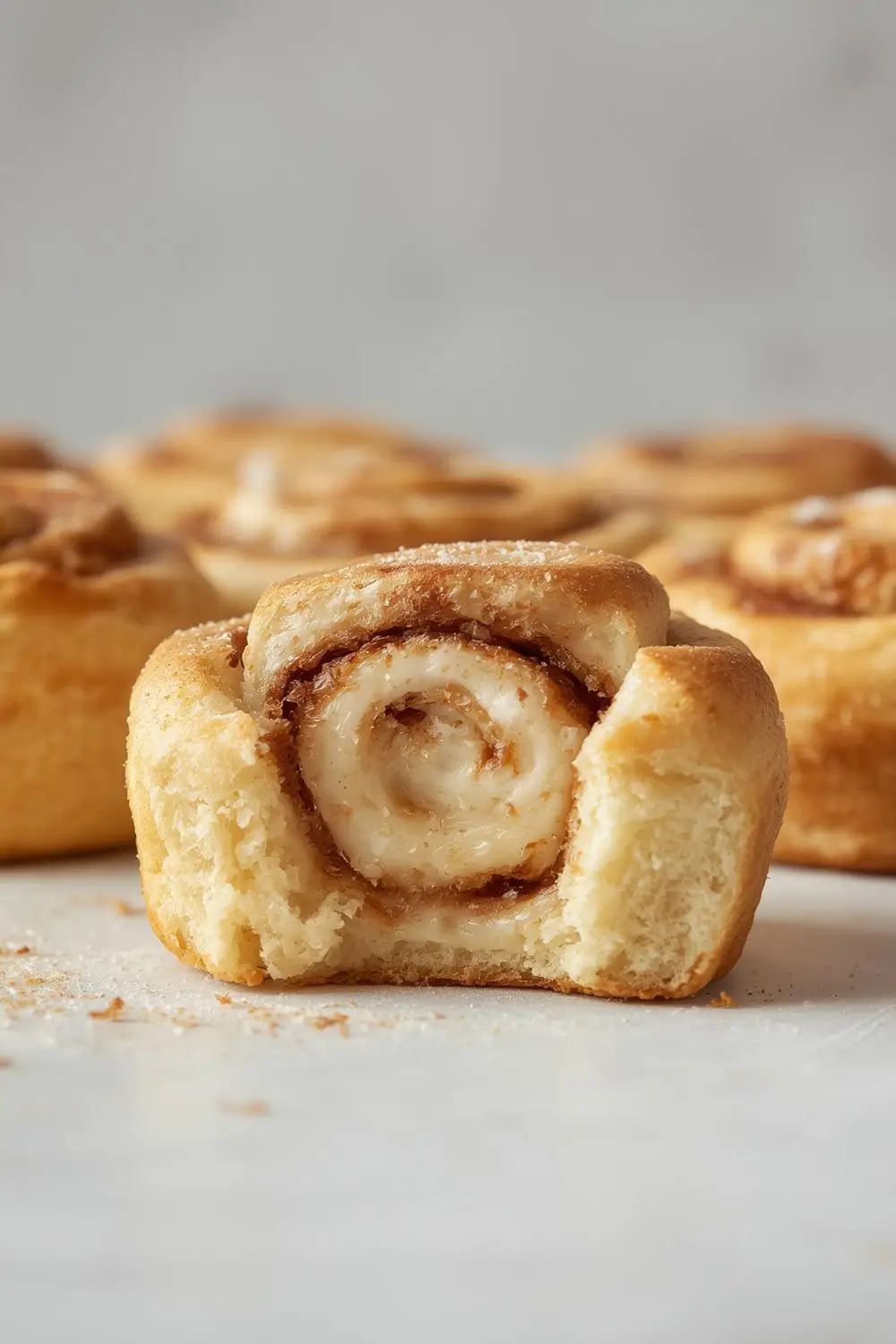
Imagine waking up to the heavenly aroma of cinnamon and sugar, the promise of tender, pillowy rolls waiting to be devoured. These aren’t just any cinnamon rolls; they’re crafted from a uniquely soft milk dough that melts in your mouth with every bite. Forget dense, dry pastries – this recipe delivers an unparalleled level of tenderness and fluffiness that will make them your new breakfast obsession. Perfect for lazy Sundays, special occasions, or simply satisfying a sweet craving, these cinnamon rolls are designed to impress even the most discerning palate. Let’s dive into creating these bakery-worthy delights right in your own kitchen.
The Magic of Milk Dough: Why This Recipe Works
The secret lies in the dough itself. Unlike traditional yeast doughs that rely heavily on water, this recipe uses milk as the primary liquid. Milk contributes significantly to the final texture. Its natural sugars feed the yeast gently, promoting a slower, more controlled rise that develops complex flavors. The proteins and fats in milk create a softer, more tender crumb compared to water-based doughs. This results in rolls that are incredibly soft, almost cloud-like, with a subtle richness that pairs perfectly with the warm cinnamon sugar filling. The milk also helps create a beautiful golden-brown crust during baking.
Gathering Your Ingredients: Quality Matters
Before you begin, ensure you have all your ingredients measured and ready. Using high-quality ingredients, especially for the yeast and butter, makes a noticeable difference in flavor and texture.
- For the Dough:
* 4 1/2 to 5 cups (560-625g) Bread Flour (All-purpose works in a pinch, but bread flour gives the best structure and chew). Spoon and level for accuracy.
* 1 cup (240ml) Whole Milk, warmed to about 110°F (43°C) – just warm to the touch, not hot.
* 1/4 cup (50g) Granulated Sugar – feeds the yeast and adds sweetness.
* 1 packet (2 1/4 tsp / 7g) Active Dry Yeast – ensure it’s fresh!
* 1/2 cup (113g) Unsalted Butter, softened to room temperature – crucial for tenderness and flavor.
* 2 large Eggs, room temperature – adds richness and structure.
* 1 1/2 tsp Salt – balances the sweetness and enhances flavor.
- For the Cinnamon Sugar Filling:
* 3/4 cup (150g) Brown Sugar, packed – adds moisture and deep caramel notes.
* 2 tbsp (16g) Ground Cinnamon – the heart of the flavor.
* 1/4 cup (60g) Unsalted Butter, softened – spreads the filling beautifully.
- For the Cream Cheese Frosting (Optional but Recommended):
* 4 oz (115g) Cream Cheese, softened.
* 1/4 cup (57g) Unsalted Butter, softened.
* 2 cups (240g) Powdered Sugar, sifted.
* 1 tsp Vanilla Extract.
* Pinch of Salt.
The Process: From Mixing to Rising
Creating these rolls is a rewarding process, best enjoyed with some background music and a cup of coffee. The key is patience, especially during the rising stages. Don’t rush it!
1. Activating the Yeast: In a large mixing bowl (or the bowl of a stand mixer), combine the warm milk, 1 tablespoon of the granulated sugar, and the yeast. Stir gently and let it sit for 5-10 minutes. You should see it become foamy and bubbly – this confirms your yeast is active and ready to work its magic. If it doesn’t foam, your yeast might be expired, and you’ll need to start over.
2. Combining the Wet Ingredients: Add the softened butter, eggs, and remaining 3/4 cup sugar to the yeast mixture. Whisk or mix on low speed until well combined.
3. Incorporating the Flour: Gradually add the flour and salt to the wet mixture, about 1 cup at a time. Mix on low speed until a shaggy dough forms and no dry flour remains. The dough will be quite sticky at this stage – that’s normal!
4. Kneading for Tenderness: This is where the magic happens. If using a stand mixer, switch to the dough hook and knead on medium-low speed for 8-10 minutes. If kneading by hand, turn the dough out onto a lightly floured surface and knead vigorously for 10-15 minutes. The dough should become smooth, elastic, and slightly tacky but not sticky. It should pass the “windowpane test” – stretching thin enough to see light through without tearing easily. Add small amounts of flour only if absolutely necessary to prevent sticking; too much flour makes the rolls tough.
5. First Rise (Bulk Fermentation): Lightly grease a large bowl with oil. Place the kneaded dough ball inside, turning it once to coat it lightly. Cover the bowl tightly with plastic wrap or a damp kitchen towel. Let it rise in a warm, draft-free spot until doubled in size, which usually takes 1 to 1.5 hours. You can test if it’s ready by gently pressing two fingers into the dough; if the indentation remains, it’s proofed.
6. Shaping the Rolls: Once risen, gently punch down the dough to release the air. Turn it out onto a lightly floured surface. Roll the dough into a large rectangle, roughly 18×12 inches (45×30 cm). Aim for an even thickness.
7. Adding the Cinnamon Sugar Filling: Spread the softened butter evenly over the entire surface of the dough rectangle. In a small bowl, mix the brown sugar and cinnamon. Sprinkle this mixture evenly over the buttered dough, leaving a small border around the edges.
8. Rolling and Cutting: Starting from the long edge, carefully roll the dough up tightly into a log. Pinch the seam closed. Using a sharp knife or dental floss, cut the log into 12 equal pieces (about 1.5 inches thick each). Place the rolls cut-side up in a lightly greased 9×13 inch baking pan, leaving a little space between them for expansion.
9. Second Rise (Proofing): Cover the pan loosely with plastic wrap or a towel. Let the rolls rise again in a warm spot until they are noticeably puffy and have nearly doubled in size, about 30-45 minutes. This second rise is crucial for maximum fluffiness.
10. Baking to Golden Perfection: Preheat your oven to 350°F (175°C) while the rolls are proofing. Bake the rolls for 25-30 minutes, or until they are deeply golden brown on top and sound hollow when tapped on the bottom. The internal temperature should reach around 190-200°F (88-93°C) if you have a thermometer.
11. Making the Frosting (Optional): While the rolls cool slightly, prepare the cream cheese frosting. Beat the softened cream cheese and butter together until smooth. Gradually add the sifted powdered sugar and vanilla, beating until creamy. Add a splash of milk if needed for desired consistency.
12. Frosting and Serving: Spread or drizzle the frosting generously over the warm rolls. The warmth helps the frosting melt slightly and soak into the rolls, enhancing their incredible softness. Serve immediately and enjoy the pure bliss!
Variations and Substitutions: Making it Your Own
While this recipe is perfect as is, feel free to experiment:
- Different Fillings: Swap the cinnamon sugar for a chocolate hazelnut spread (like Nutella), a simple brown sugar and pecan filling, or even a lemon zest and poppy seed mixture.
- Dough Variations: Substitute 1 cup of the bread flour with whole wheat flour for a nuttier flavor and added fiber. Add 1/2 cup of raisins or chopped dried cranberries to the filling. For a richer dough, replace 1/4 cup of the milk with heavy cream.
- Frosting Alternatives: Use a simple vanilla glaze (powdered sugar, milk, vanilla) instead of cream cheese frosting. For a citrus twist, add lemon or orange zest to the frosting. A maple glaze is also delicious.
- Vegan Option: Use plant-based milk (soy or oat work well), vegan butter, and a flax egg (1 tbsp ground flaxseed + 3 tbsp water, mixed and rested 5 mins) in place of the eggs. Ensure your yeast is vegan-friendly.
Storage and Reheating: Keeping the Magic Alive
These rolls are best enjoyed fresh, but you can store them for later:
- Room Temperature: Cool completely, then place in an airtight container or wrapped tightly in plastic wrap. They’ll stay fresh for 1-2 days. Reheat gently in the microwave for 10-15 seconds or in a low oven (300°F / 150°C) for a few minutes to restore softness.
- Refrigerator: Cool completely, then wrap tightly. They’ll keep for 3-4 days. Reheat as above.
- Freezing: Cool completely, then wrap individually in plastic wrap and place in a freezer bag. Freeze for up to 3 months. To reheat, thaw overnight in the fridge and then reheat gently as above, or bake frozen rolls straight from the freezer (add 5-10 minutes to the baking time) and then frost.
Common Mistakes to Avoid: Ensuring Success
- Hot Milk: Using milk that’s too hot (above 110°F / 43°C) can kill the yeast, preventing the dough from rising.
- Over-Kneading: While kneading is important, over-kneading develops too much gluten, leading to tough, chewy rolls instead of tender ones. Stop when the dough is smooth and elastic.
- Rushing the Rise: Yeast needs time to work. Don’t skip the first rise or proof the rolls in a cold spot. A warm, draft-free environment is key.
- Overfilling: Be generous with the cinnamon sugar filling, but avoid overfilling the rolls, as it can cause them to burst open during baking.
- Frosting Too Early: Frost the rolls only after they have cooled slightly. Frosting them while piping hot will melt it completely.
- Using Expired Yeast: Always check the expiration date on your yeast packet. Old yeast won’t activate properly.
Frequently Asked Questions: Your Quick Reference
- Can I make these rolls ahead of time? Absolutely! You can prepare the dough through the first rise, shape the rolls, and refrigerate them overnight. Let them come to room temperature and complete their second rise before baking in the morning.
- Why are my rolls dense? This usually happens if the dough wasn’t kneaded enough, the yeast was inactive, the milk was too hot, or the rolls weren’t given enough time to rise properly.
- Can I use all-purpose flour instead of bread flour? Yes, but the rolls will be slightly less chewy and tender. Bread flour has a higher protein content, which creates more gluten for better structure and chew.
- How do I know when the rolls are done baking? They should be a deep golden brown on top and sound hollow when tapped on the bottom. An internal temperature of 190-200°F (88-93°C) is ideal.
- Can I freeze the baked rolls? Yes! Cool them completely, wrap individually in plastic wrap, and place in a freezer bag. They freeze well for up to 3 months. Reheat gently as described.
- What’s the best way to reheat leftover rolls? The microwave works quickly for 10-15 seconds per roll, but it can make the crust slightly chewy. For the best texture, reheat in a low oven (300°F / 150°C) for 5-10 minutes, or until warmed through. This restores the soft, pillowy texture beautifully.
The Final Verdict: Pure Comfort in Every Bite
Creating these Super Soft Milk Dough Cinnamon Rolls is more than just baking; it’s an act of love. The process, from the initial mixing to the final, fragrant slice, is deeply satisfying. The result is pure comfort – tender, fluffy, and bursting with warm cinnamon sweetness. Whether enjoyed for a special weekend breakfast, a holiday treat, or simply a moment of indulgence, these rolls are guaranteed to become a cherished favorite. The unique milk dough sets them apart, offering a texture that’s simply unmatched. So, gather your ingredients, set aside some time, and prepare to delight your family and friends with these irresistible, bakery-style cinnamon rolls that will have everyone asking for the recipe. Enjoy every heavenly bite!