The Ultimate Bakery-Style ThickSwirl Cinnamon Rolls: A Weekend Treat You’ll Love
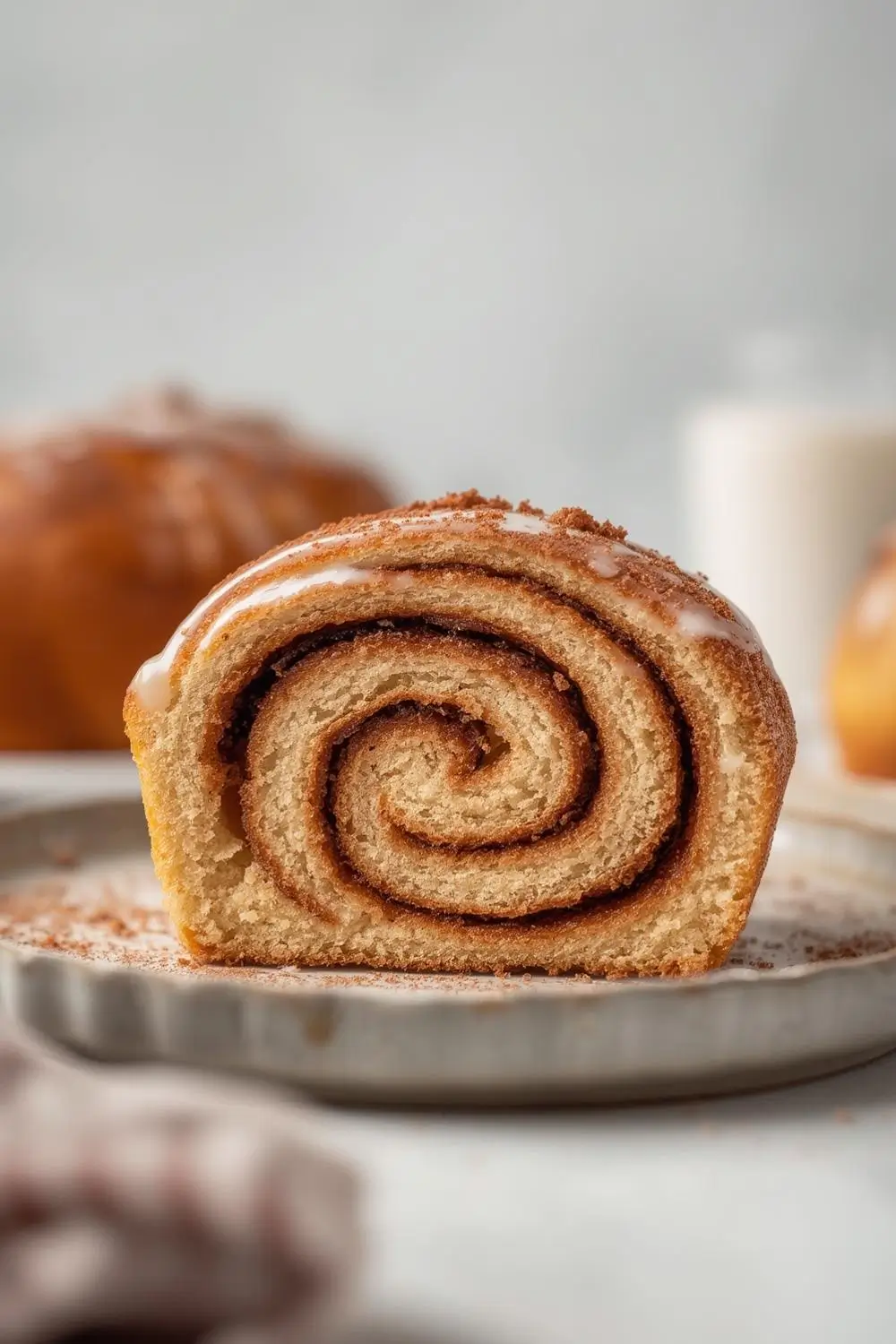
There’s something undeniably magical about biting into a cinnamon roll. That first warm, pillowy bite, the explosion of cinnamon and sugar, the sticky, gooey center – it’s pure comfort. But what if you could capture that perfect bakery experience right in your own kitchen? Forget the flimsy, thin rolls you sometimes get; we’re going for thick, decadent, and absolutely irresistible. These thick swirl cinnamon rolls are designed to deliver maximum flavor and texture in every single bite, just like your favorite local bakery. They’re perfect for a special weekend breakfast, a holiday treat, or simply satisfying that mid-morning craving. Let’s dive into creating these bakery-style wonders together.
Why This Recipe Stands Out
What sets these rolls apart? It starts with the dough. We’re using a rich, slightly enriched dough that yields an incredibly tender, fluffy interior. The key is patience – allowing the dough to rise properly ensures that light, airy texture. Then comes the filling. We’re packing it on thick! A generous layer of cinnamon sugar, enhanced with a touch of brown sugar for deeper caramel notes, creates those signature swirls. The secret weapon? A thick, luscious cream cheese frosting that melts beautifully into the warm rolls. This isn’t just a cinnamon roll; it’s a cinnamon roll experience.
Ingredients Explained: Building Flavor and Texture
Before we get our hands (and flour) dirty, let’s understand what each ingredient brings to the table:
- Warm Milk (1 cup): This activates the yeast. It needs to be warm (about 110°F / 43°C), not hot, to wake up the yeast without killing it. Whole milk adds richness; you can use 2% or even a dairy-free alternative like almond or oat milk if preferred.
- Active Dry Yeast (2 1/4 tsp / 1 packet): The leavening agent that makes the dough rise. Make sure it’s fresh!
- Granulated Sugar (1/4 cup): Feeds the yeast and adds sweetness. A small amount is also added to the filling.
- Unsalted Butter (1/2 cup / 1 stick), melted and slightly cooled: This is crucial for tenderness and flavor. Using melted butter instead of softened incorporates more easily and creates a softer crumb. Ensure it’s cooled slightly to avoid cooking the eggs later.
- Large Eggs (2), room temperature: Add richness, structure, and help the dough rise. Room temperature eggs incorporate better.
- Salt (1 1/2 tsp): Enhances all the other flavors. Don’t skip it!
- All-Purpose Flour (4 1/2 – 5 cups): The structure of the dough. Start with 4 1/2 cups and add more as needed. Bread flour can be used for extra chew, but AP flour is perfect here.
- Cream Cheese Frosting (Ingredients below): The crowning glory. Made with softened cream cheese, butter, powdered sugar, vanilla, and a pinch of salt. It’s rich, tangy, and perfectly sweet.
The Filling: A Cinnamon Sugar Symphony
- Brown Sugar (1 cup): Packed. This adds moisture and a deep, caramel-like flavor that granulated sugar can’t match.
- Ground Cinnamon (2 tbsp): The star! Use a high-quality brand for the best flavor.
- Unsalted Butter (1/4 cup), softened: Helps bind the filling and creates a lovely, slightly chewy texture within the swirl.
- Granulated Sugar (1/4 cup): Balances the brown sugar’s intensity.
The Frosting: Creamy and Dreamy
- Cream Cheese (8 oz / 1 block), softened: Full-fat is essential for the best flavor and texture.
- Unsalted Butter (1/2 cup / 1 stick), softened: Adds richness and helps the frosting spread smoothly.
- Powdered Sugar (2 1/2 – 3 cups): Adjust to achieve your desired sweetness and consistency. Sift it first!
- Pure Vanilla Extract (1 1/2 tsp): Essential for flavor.
- Pinch of Salt: Enhances the sweetness.
Step-by-Step: From Dough to Deliciousness
1. Activating the Yeast (The Foundation):
* In a large mixing bowl or the bowl of your stand mixer, combine the warm milk, 1/4 cup granulated sugar, and the active dry yeast. Stir gently and let it sit for about 5-10 minutes. You should see it become foamy on top – this means the yeast is alive and active! If it doesn’t foam, your yeast might be expired, and you’ll need fresh yeast.
2. Building the Dough Base:
* Add the melted (but cooled) butter, room temperature eggs, and salt to the yeast mixture. Whisk until well combined.
* Gradually add 4 1/2 cups of flour, mixing with a dough hook on low speed (or stirring vigorously with a wooden spoon) until a shaggy dough forms. The dough will be sticky.
3. Kneading for Perfection:
* If using a stand mixer, switch to a dough hook and knead on medium-low speed for about 8-10 minutes. If kneading by hand, turn the dough out onto a lightly floured surface and knead for 8-10 minutes. The dough is ready when it becomes smooth, elastic, and slightly tacky but not sticky. It should pass the “windowpane test” – stretching thin enough to see light through without tearing easily. Add small amounts of flour (1-2 tablespoons at a time) only if absolutely necessary to prevent sticking; too much flour makes the rolls dense.
4. The First Rise: Patience is Key:
* Lightly grease a large bowl with oil. Place the dough ball in the bowl, turning it once to coat it lightly with oil. Cover the bowl tightly with plastic wrap or a damp kitchen towel. Let it rise in a warm, draft-free spot until doubled in size, about 1 to 1.5 hours. You can place the bowl in an oven with the light on (off) or near a warm appliance.
5. Preparing the Filling & Pan:
* While the dough rises, make the filling: In a small bowl, whisk together the brown sugar, cinnamon, softened butter, and granulated sugar until well combined and crumbly.
* Generously grease a 9×13 inch baking pan or two 9-inch round pans with butter or non-stick spray.
6. Rolling Out the Dough:
* Once the dough has doubled, punch it down gently to release air bubbles. Turn it out onto a lightly floured surface. Roll the dough into a large rectangle, roughly 18×24 inches. Aim for a thickness of about 1/4 inch. Use a ruler or measuring tape if you want precision, but don’t stress too much – rustic is fine!
* Spread the softened butter evenly over the entire surface of the dough, leaving a small border around the edges.
7. Adding the Cinnamon Sugar Magic:
* Sprinkle the cinnamon sugar filling mixture evenly over the buttered dough, again leaving a small border. Press it down gently so it adheres well.
8. The Crucial Swirl:
* Starting from the long edge closest to you, carefully roll the dough up tightly into a log. Pinch the seam closed firmly. This is where the thickness comes in – a tight roll ensures the swirls stay defined.
* Using a sharp knife or dental floss (for cleaner cuts), slice the log into 12 equal pieces (about 1.5-2 inches thick). Place the slices cut-side up in the prepared baking pan, leaving a little space between them. They will expand significantly during the second rise.
9. The Second Rise: Building Height:
* Cover the pan loosely with plastic wrap or a damp towel. Let the rolls rise again in a warm place until they are noticeably puffy and have doubled in size, about 30-45 minutes. They should look very full and soft.
10. Baking to Golden Perfection:
* Preheat your oven to 350°F (175°C) during the last 10 minutes of the second rise.
* Bake the rolls for 25-35 minutes, or until the tops are a deep golden brown and the rolls are cooked through. The internal temperature should reach about 190°F (88°C) if you have a thermometer. They should sound hollow when tapped on the bottom.
11. The Frosting Finale:
* While the rolls are cooling slightly (at least 10-15 minutes), make the frosting. In a medium bowl, beat the softened cream cheese and butter together until smooth and creamy. Gradually add the sifted powdered sugar, beating well after each addition. Beat in the vanilla and salt until the frosting is light and fluffy.
* Spread or drizzle the frosting generously over the warm rolls. The heat from the rolls will melt the frosting slightly, creating that irresistible glossy finish.
Variations and Substitutions: Making it Your Own
- Add-Ins: Fold in 1 cup of chopped pecans, walnuts, or chocolate chips into the filling for extra crunch or sweetness.
- Flavor Boost: Add 1-2 teaspoons of pure vanilla extract or a pinch of nutmeg to the filling.
- Dairy-Free: Use dairy-free butter and a dairy-free cream cheese alternative in the frosting. Ensure your milk is also dairy-free.
- Whole Wheat Twist: Substitute up to 1 cup of the all-purpose flour with whole wheat flour for a nuttier flavor and added fiber (the texture will be slightly denser).
- Orange Zest: Add 1-2 teaspoons of grated orange zest to the filling for a bright, citrusy note.
- Glaze Instead of Frosting: For a lighter option, whisk together 1 cup powdered sugar, 2-3 tablespoons milk or cream, and 1/2 teaspoon vanilla for a simple glaze. Drizzle over cooled rolls.
Storage and Reheating: Keeping the Magic Alive
- Room Temperature: Store leftover rolls in an airtight container at room temperature for up to 2 days. They are best enjoyed fresh!
- Refrigerator: For longer storage (up to 5 days), refrigerate the rolls in an airtight container. Let them come to room temperature before serving.
Freezing: You can freeze the unbaked rolls. After slicing and placing them in the pan, wrap the pan tightly with plastic wrap and foil. Freeze for up to 1 month. When ready to bake, thaw the rolls in the refrigerator overnight, then let them rise until puffy (about 1-2 hours at room temperature), then bake as directed. You can also freeze baked* rolls. Cool completely, wrap tightly, and freeze for up to 3 months. Reheat in a 300°F (150°C) oven for 10-15 minutes or microwave for 20-30 seconds per roll.
Common Mistakes to Avoid: Ensuring Success
- Killing the Yeast: Using water that’s too hot (above 110°F / 43°C) will kill the yeast. Test the milk temperature with your finger or a thermometer.
- Over-Kneading: Overworking the dough can make it tough. Knead just until smooth and elastic.
- Under-Rising: Dough that doesn’t rise enough results in dense rolls. Ensure a warm, draft-free spot and don’t rush it.
- Too Much Flour: Adding too much flour during kneading makes the rolls dry and heavy. Add flour sparingly only if the dough is extremely sticky.
- Slicing the Log Unevenly: Use a sharp knife and a gentle sawing motion. Dental floss works wonders for clean cuts.
- Frosting Too Hot: Applying frosting to piping hot rolls can cause it to melt and slide off. Let them cool slightly first.
- Skipping the Second Rise: This rise is crucial for the rolls to become light and fluffy. Don’t skip it!
FAQs: Your Burning Questions Answered
- Q: Can I make these ahead of time? Absolutely! You can prepare the dough through the first rise, punch it down, shape it into a log, and refrigerate it overnight. The next day, let it come to room temperature and rise again before baking. You can also bake them, cool completely, and freeze them for later.
- Q: Why are my rolls dense? This is often due to under-rising, using too much flour, or over-kneading. Ensure proper rising time and be careful not to add excessive flour.
- Q: Can I use active dry yeast instead of instant yeast? Yes, but you need to activate it in the warm milk first, as described. Instant yeast can be mixed directly with the dry ingredients.
- Q: How do I know when the rolls are done baking? They should be a deep golden brown on top and sound hollow when tapped on the bottom. An internal temperature of 190°F (88°C) is a good indicator.
- Q: Can I use a bread machine? Yes! Add all ingredients except the filling to the bread machine pan according to your machine’s instructions (usually in the order listed). Select the dough cycle. Once the cycle finishes, proceed with shaping, filling, and baking as directed.
- Q: Why did my frosting get runny? This can happen if the cream cheese or butter isn’t soft enough, or if you added too much liquid. Ensure both are softened to room temperature. Start with 2 1/2 cups powdered sugar and add more gradually until you reach the desired consistency. If it’s too thin, add a little more powdered sugar.
- Q: Can I make these without a stand mixer? Yes! You can knead the dough by hand on a lightly floured surface for about 10 minutes until smooth and elastic. It requires a bit more effort but is entirely doable.
- Q: How do I prevent the rolls from sticking to the pan? Generously grease the pan with butter or non-stick spray. You can also line the pan with parchment paper for easy removal.
- Q: Can I use a different pan size? A 9×13 inch pan is standard. Using a smaller pan (like two 9-inch rounds) will result in taller, slightly denser rolls. Using a larger pan (like a 10×14 inch) will yield thinner rolls. Adjust baking time accordingly.
The Final Verdict: Pure Bakery Bliss
Creating these thick swirl cinnamon rolls is an investment of time, but the reward is absolutely worth it. The process – from activating the yeast to the satisfying swirl of cinnamon and sugar, the pillowy rise, and the decadent cream cheese frosting – culminates in something truly special. They embody the essence of a perfect bakery treat: rich, flavorful, and utterly comforting. The thick layers ensure every bite is packed with sweetness and spice, while the tender crumb melts in your mouth. This recipe is designed to deliver that authentic, bakery-style experience right to your kitchen table. So, gather your ingredients, set aside some time, and prepare to indulge in the ultimate cinnamon roll. Your taste buds will thank you!
Enjoy the journey and the delicious results!