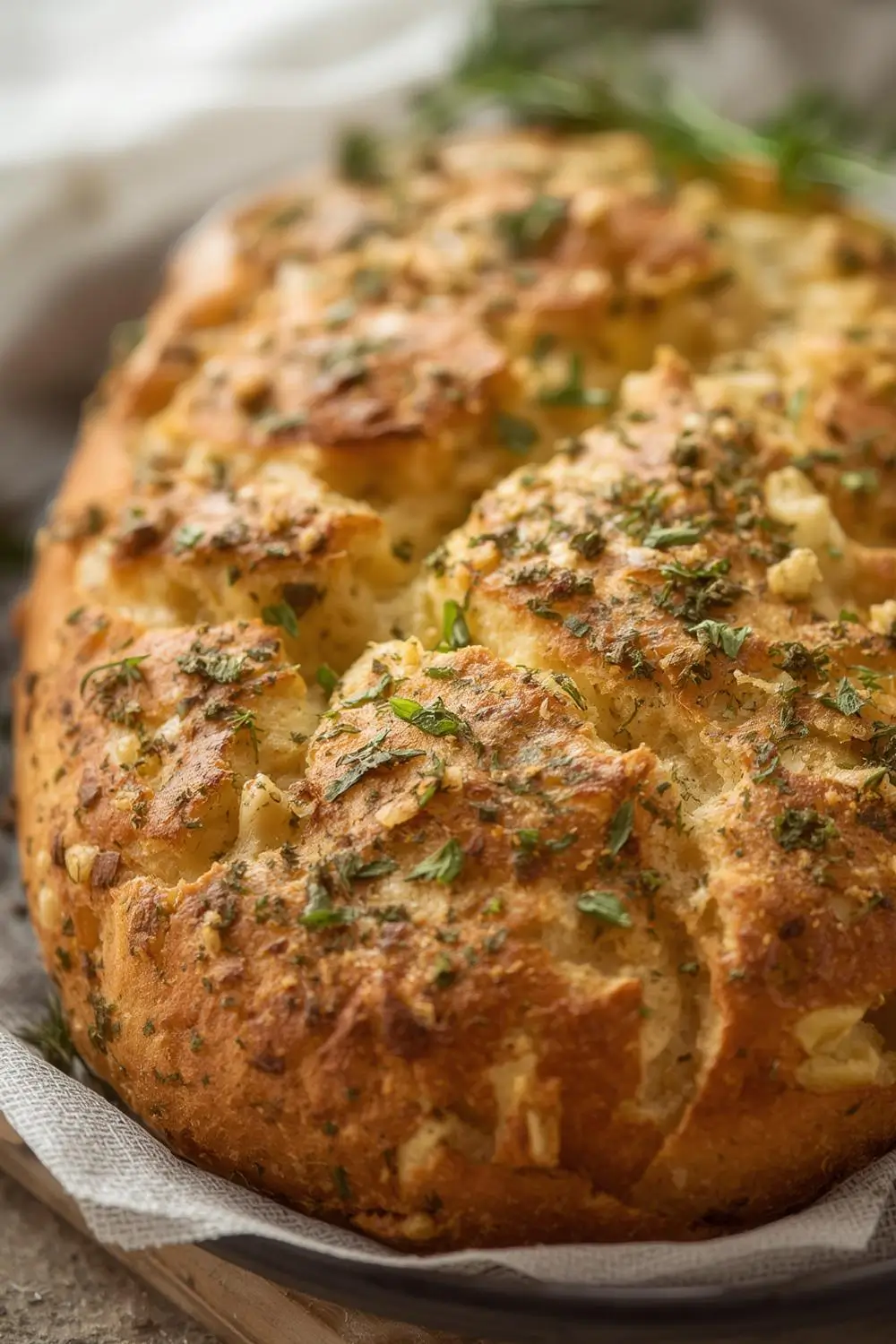
Imagine a bread so fragrant, so tender, and so utterly irresistible that it becomes the undeniable star of your table. A bread that transforms humble sourdough discard into something truly magical. Welcome to the world of Easy Sourdough Discard Garlic Herb Focaccia – a recipe designed to captivate your senses and your Pinterest followers. This isn’t just bread; it’s a celebration of flavor, a testament to resourcefulness, and a guaranteed crowd-pleaser. Perfect for dipping into olive oil, slathering with butter, or elevating your next sandwich, this focaccia is the ultimate way to give your sourdough starter discard a delicious purpose.
Why This Focaccia Will Steal Your Heart (and Your Pinterest Feed):
- Zero Waste Hero: It’s a brilliant solution for using up that seemingly endless supply of sourdough discard. No more guilt, just glorious flavor!
- Aromatic Explosion: Bursting with the fresh, pungent punch of garlic and the earthy, fragrant embrace of rosemary, thyme, and oregano. Every bite is a flavor journey.
- Textural Perfection: Soft, chewy, and airy on the inside, with a gloriously crisp, golden-brown crust that shatters satisfyingly with each bite.
- Incredibly Versatile: Serve it warm as a side, tear it apart for a simple appetizer, use it as the base for a hearty sandwich, or simply enjoy it plain. It’s endlessly adaptable.
- Beginner-Friendly: Detailed, step-by-step instructions ensure success, even if you’re new to sourdough or focaccia baking. No fancy equipment needed!
- Pinterest-Ready: The stunning golden crust, the generous sprinkle of fresh herbs, and the inviting texture make it a visual feast perfect for pinning and sharing.
Gather Your Ingredients: The Flavor Foundation
Creating this focaccia masterpiece starts with the right ingredients. Here’s what you’ll need:
- 1 1/2 cups (360ml) Active Sourdough Discard: This is your star ingredient! Use discard that’s been fed within the last 12-24 hours for maximum rise and flavor. If your discard is very stiff, add a splash of water (1-2 tbsp) to make it more pourable. Why it matters:* Discard provides the characteristic tangy sourdough flavor and helps create the bread’s unique texture.
- 1 1/2 cups (210g) All-Purpose Flour: Provides the structure. Bread flour can be used for an even chewier crumb, but AP flour is perfectly fine.
- 1 cup (120g) Whole Wheat Flour (Optional): Adds nuttiness, fiber, and a denser texture. Omit for a lighter focaccia.
- 1 1/2 teaspoons (6g) Fine Sea Salt: Essential for flavor development and controlling yeast activity. Don’t skip it!
- 1 1/2 teaspoons (6g) Active Dry Yeast (or 1 packet): The leavening agent that makes your bread rise. Instant yeast works too, just adjust the water slightly.
- 1 1/2 cups (360ml) Warm Water (about 105-110°F / 40-43°C): The liquid that hydrates the flour and activates the yeast. Too hot kills yeast, too cold slows it down.
- 1/3 cup (80ml) Extra Virgin Olive Oil (plus more for drizzling): Crucial for flavor, tenderness, and helping the dough come together. Use a good quality oil.
- 1/4 cup (60ml) Extra Virgin Olive Oil (for drizzling): For that final, irresistible shine and flavor burst.
- 1/4 cup (25g) Fresh Rosemary Leaves, finely chopped: The aromatic backbone of this focaccia.
- 1/4 cup (5g) Fresh Thyme Leaves: Adds a subtle, earthy complexity.
- 1/4 cup (5g) Fresh Oregano Leaves: Brings a bright, slightly peppery note.
- 1/4 cup (25g) Fresh Garlic Cloves, minced: The soul of the recipe. Use plenty!
- 1/2 teaspoon (2g) Fine Sea Salt (for topping): Enhances the garlic and herbs.
- 1/2 teaspoon (1g) Black Pepper (optional): Adds a gentle warmth.
The Magic Begins: Mixing and Kneading
1. Combine the Dry Ingredients: In a large mixing bowl, whisk together the all-purpose flour (and whole wheat flour, if using), salt, and yeast. Ensure they’re evenly distributed.
2. Add the Wet Ingredients: Pour the sourdough discard, warm water, and 1/3 cup of olive oil into the dry ingredients.
3. Mix Until Combined: Using a sturdy spoon, spatula, or your hands, mix everything together until a shaggy, sticky dough forms. It will look messy, but that’s okay! Don’t be tempted to add extra flour yet.
4. Knead the Dough: Turn the dough out onto a lightly floured surface. Knead for about 8-10 minutes. The dough will be very soft and slightly sticky. The goal is to develop the gluten just enough to create structure without making it stiff. You’ll feel it become smoother and more cohesive. If it’s too sticky, sprinkle very lightly with flour (a teaspoon at a time) – but avoid adding too much, as it can dry out the bread.
5. First Rise (Bulk Fermentation): Place the kneaded dough in a lightly oiled bowl, turning it once to coat. Cover the bowl tightly with plastic wrap or a damp kitchen towel. Let it rise in a warm, draft-free spot for 1 to 1.5 hours, or until it has roughly doubled in size. It should look puffy and relaxed.
Shaping and Topping: Building Flavor and Texture
1. Prepare Your Pan: Lightly grease a 9×13 inch (23×33 cm) baking pan or a large rimmed sheet pan with olive oil. Line it with parchment paper for easy release (optional but recommended).
2. Gently Deflate: Carefully remove the risen dough from the bowl. Gently press it down to release the large air bubbles. Don’t punch it down vigorously.
3. Shape the Dough: Transfer the dough to your prepared pan. Using wet hands or oiled fingers, gently press and stretch the dough to cover the bottom of the pan. It will be very soft and pliable. Don’t worry about making it perfectly smooth or tight; a slightly rustic look is charming.
4. The Crucial Rest (Proofing): Cover the shaped dough loosely with plastic wrap or a damp towel. Let it rest for another 30-45 minutes. This second rise allows the dough to relax and develop more flavor and air pockets. It should look noticeably puffier.
5. Preheat and Prep: About 20 minutes before the second rise ends, preheat your oven to 425°F (220°C). Place a rack in the center position. If you have a baking stone or steel, place it on the center rack now.
6. The Garlic & Herb Infusion: While the dough proofs, combine the minced garlic, chopped rosemary, thyme, oregano, 1/2 teaspoon salt, and black pepper (if using) in a small bowl. This creates your aromatic topping.
7. Final Touches: Once the dough has finished its second rise, carefully remove the plastic wrap. Using your fingertips, gently press dimples all over the surface of the dough. This helps the oil and toppings penetrate and creates lovely pockets.
8. Drizzle and Sprinkle: Generously drizzle the top of the dough with the remaining 1/3 cup of olive oil. Then, sprinkle the garlic-herb mixture evenly over the entire surface.
Baking: Achieving Golden Perfection
1. The Steam Trick (Optional but Recommended): For an extra-crisp crust, place a small oven-safe bowl or pan on the bottom rack of your preheated oven. Carefully pour about 1 cup of hot water into it just before placing the focaccia in the oven. This creates steam, helping the crust develop beautifully.
2. Bake: Place the pan with the focaccia into the preheated oven. Bake for 20 minutes.
3. The Final Bake: After 20 minutes, carefully remove the pan from the oven (if using the steam bowl, remove that too). If the top isn’t golden brown and the edges aren’t pulling away slightly, return it to the oven for another 5-10 minutes. The total baking time is usually 25-35 minutes, depending on your oven and pan.
4. Check for Doneness: The focaccia is done when it’s deeply golden brown all over, sounds hollow when tapped on the bottom, and a thermometer inserted into the center reads 200-205°F (93-96°C).
Cooling and Serving: The Moment of Truth
1. Rest: Carefully remove the focaccia from the oven. If using parchment paper, lift it out of the pan. Place it on a wire rack.
2. Patience Pays: Resist the urge to slice it immediately! Let it cool for at least 15-20 minutes. This allows the crumb to set and prevents it from being gummy. The crust will also firm up slightly.
3. Serve: Once cooled slightly, slice or tear the focaccia into pieces. Serve warm or at room temperature. It’s divine plain, but equally wonderful with a drizzle of extra olive oil, a sprinkle of flaky salt, or paired with your favorite dip.
Variations and Substitutions: Make it Your Own
- Herb Fusion: Swap out the rosemary, thyme, and oregano for other favorites like sage, basil, or a mix of Italian herbs. Add a pinch of red pepper flakes for a kick.
- Cheese Lover’s Delight: Mix 1/2 cup (50g) grated Parmesan or Pecorino Romano into the garlic-herb mixture before topping.
- Olive & Sun-Dried Tomato: Fold 1/2 cup (80g) chopped Kalamata olives and 1/4 cup (40g) chopped oil-packed sun-dried tomatoes into the dough after the first rise, before shaping.
- Whole Wheat Boost: Increase the whole wheat flour to 1 cup (150g) for a heartier loaf.
- Sweet Potato Twist: Replace 1/2 cup (120ml) of the water with mashed cooked sweet potato (cooled!) for a subtle sweetness and moist crumb.
- Gluten-Free Option: Unfortunately, creating a truly authentic gluten-free sourdough discard focaccia is challenging due to the structure provided by gluten. Focus on the incredible flavor and texture of the traditional version!
Storage and Reheating: Keeping the Magic Alive
- Room Temperature: Store cooled leftover focaccia in an airtight container or wrapped tightly in plastic wrap at room temperature for up to 2 days. It stays wonderfully soft and flavorful.
- Refrigerator: For longer storage (up to 4 days), wrap tightly and refrigerate. The crust may soften slightly.
- Freezing: Slice cooled focaccia before freezing. Place slices in a single layer on a baking sheet, freeze until solid, then transfer to a freezer bag or airtight container. Freeze for up to 3 months. Thaw at room temperature or reheat from frozen.
- Reheating: For the best texture:
* Oven: Preheat oven to 350°F (175°C). Place slices on a baking sheet. Bake for 10-15 minutes until warmed through and the crust is crisp again.
* Toaster Oven: Perfect for individual slices. Toast at 350°F (175°C) for 5-8 minutes.
* Air Fryer: Set to 350°F (175°C) and heat slices for 3-5 minutes until crisp.
* Microwaving: Use sparingly (10-15 seconds) for a quick warm-up, but expect the crust to soften significantly.
Common Mistakes to Avoid: Ensuring Success
1. Over-Flouring the Dough: This is the biggest culprit for a dense focaccia. The dough should be very soft and sticky. Add flour only if absolutely necessary during kneading, and sparingly.
2. Under-Oiling: Don’t skimp on the olive oil! It’s essential for flavor, tenderness, and helping the dough come together. Use it generously in the dough and for drizzling.
3. Rushing the Rise: Allow sufficient time for both rises. Rushing leads to dense, flavorless bread. Find a warm spot and be patient.
4. Skipping the Dimples and Drizzle: Pressing dimples and drizzling oil before baking is crucial for texture and flavor distribution. Don’t skip this step!
5. Cutting Too Soon: Cutting into the focaccia while it’s still piping hot releases steam and makes it gummy. Wait for that 15-20 minute cool-down.
6. Using Cold Discard: If your discard is very cold from the fridge, let it come to room temperature slightly before using, or add a splash of warm water to make it more pliable.
7. Over-Kneading: While kneading is important, over-kneading a soft dough like this can develop too much gluten, making it tough. Knead just until smooth and cohesive.
Your Sourdough Discard Garlic Herb Focaccia FAQs
- Q: What if I don’t have active sourdough discard?
A: You can make a simple sourdough starter from scratch using flour and water, but it takes several days. Alternatively, use a small amount of active sourdough starter (about 1/4 cup) mixed with 1/4 cup warm water to make it pourable, and use 1 1/2 cups of all-purpose flour. The flavor won’t be identical, but it will still work.
- Q: Can I use dried herbs instead of fresh?
A: Yes, but use about 1/3 the amount (e.g., 1 tablespoon dried rosemary, 1 tablespoon dried thyme, 1 tablespoon dried oregano). Crush them slightly between your fingers to release more flavor before mixing with the garlic.
- Q: Why is my focaccia dense?
A: This is usually due to rushing the rise, over-flouring the dough, or not kneading/kneading enough. Ensure you have a warm spot for rising, don’t add extra flour unless absolutely necessary, and knead for the full 8-10 minutes.
- Q: How do I know when it’s done baking?
A: Look for a deep golden brown color all over, a hollow sound when tapped on the bottom, and an internal temperature of 200-205°F (93-96°C) if you have a thermometer.
- Q: Can I make this ahead of time?
A: Absolutely! Bake it a day ahead. Store it wrapped at room temperature. Reheat slices as needed for the best texture.
- Q: What can I serve it with?
A: The possibilities are endless! Serve it warm with a drizzle of olive oil and flaky salt, alongside soups or stews, as a base for bruschetta, or simply enjoy it plain with a glass of your favorite beverage.
- Q: Can I freeze individual slices?
A: Yes! Slice it before freezing. Wrap slices individually or in a single layer on a baking sheet before transferring to a freezer bag. Reheat in the oven or toaster oven for best results.
- Q: Why is the crust so important?
A: The crust provides the essential contrast to the soft, airy interior. It’s where the garlic and herbs concentrate, creating that irresistible aroma and flavor burst with every bite. Don’t skip the oil and topping!
- Q: Can I use a different type of flour?
A: All-purpose flour is ideal. Bread flour will give a slightly chewier crumb. Whole wheat flour adds nuttiness but can make it denser. Avoid using too much whole wheat or other flours without adjusting liquid.
- Q: How long does it stay fresh?
A: At room temperature, wrapped, it’s best enjoyed within 2 days. Refrigerated, it lasts up to 4 days. Frozen slices last up to 3 months.
The Final Slice: A Celebration of Sourdough
There you have it – your journey to creating the ultimate Easy Sourdough Discard Garlic Herb Focaccia. This recipe is more than just instructions; it’s an invitation to embrace the magic of sourdough, transform what might seem like waste into pure culinary gold, and share the joy of a truly homemade bread. The intoxicating aroma of garlic and herbs, the satisfying chew of the crust, and the tender crumb that melts in your mouth – this focaccia is a testament to the beauty of simple, flavorful ingredients and the rewards of a little patience. It’s a centerpiece worthy of any meal, a delicious way to use your discard, and a recipe you’ll return to again and again. So, gather your ingredients, preheat your oven, and get ready to bake a loaf that will become a beloved staple in your kitchen. Enjoy every golden, garlicky, herb-infused bite!