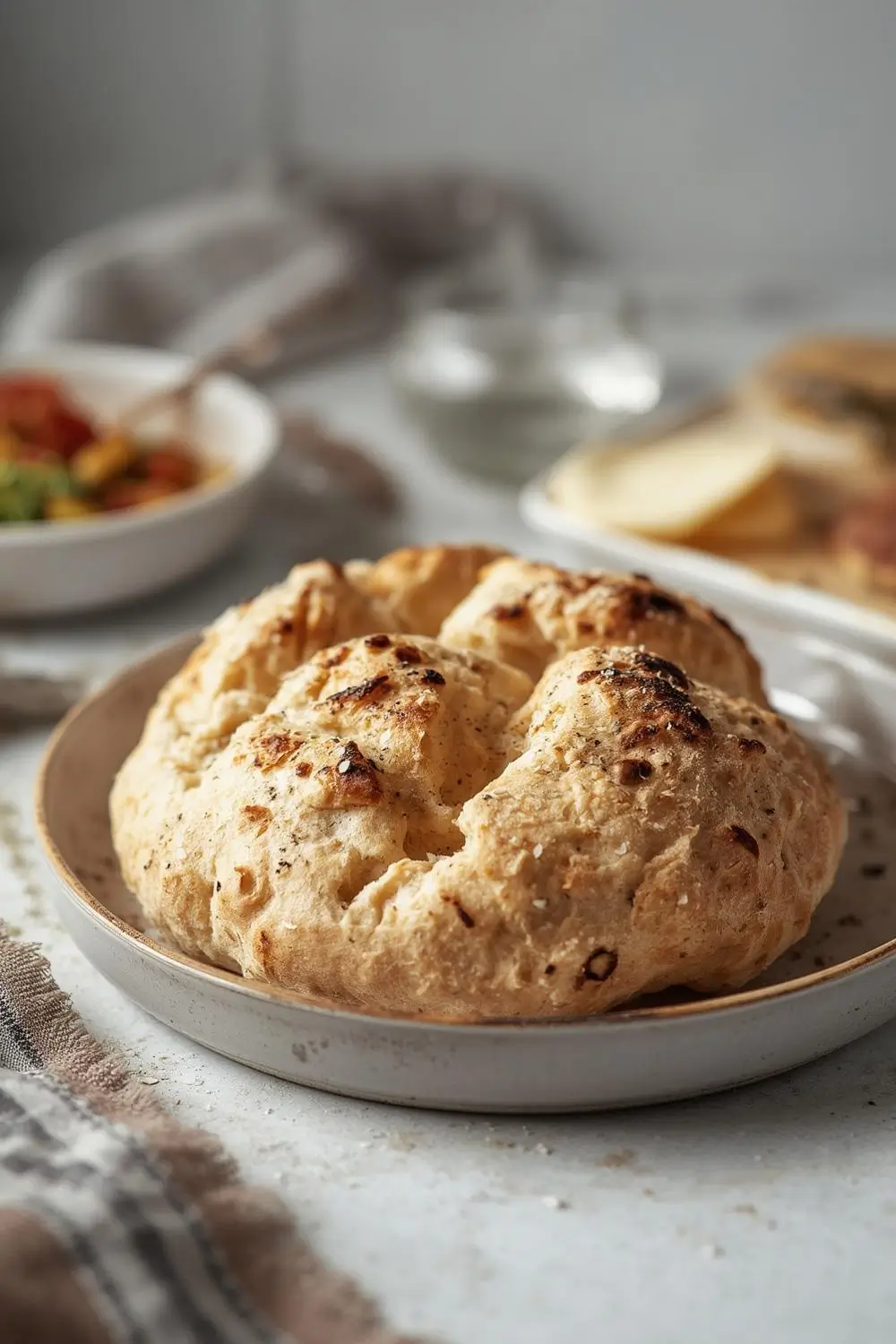
Easy Homemade Sourdough Discard Pita Bread: Zero-Waste Magic in Your Kitchen
Imagine transforming that seemingly useless sourdough discard into something truly special – warm, fluffy pita bread bursting with flavor, perfect for sandwiches, dipping, or simply enjoying plain. This zero-waste recipe is a game-changer, turning kitchen scraps into bakery-quality results with minimal effort. Forget store-bought pitas that lack character; this homemade version captures the essence of traditional baking right in your own oven. It’s incredibly simple, uses ingredients you likely already have, and delivers a texture that’s both tender inside and delightfully crisp outside. Let’s dive into creating your own batch of these versatile, golden-brown treasures.
Why Sourdough Discard is Perfect for Pita
Sourdough discard is the unsung hero of sourdough baking. It’s the portion of your starter you pour out daily to maintain its health, often discarded or used sparingly. But here’s the magic: that discard contains active wild yeast and lactic acid bacteria, the very organisms responsible for sourdough’s rise and tangy flavor. When combined with flour and water, it creates a dough that’s naturally more forgiving than regular bread dough. The acidity helps tenderize the gluten, resulting in a pita that’s soft and chewy without being dense. Plus, it’s incredibly resourceful – giving new life to what would otherwise be waste.
The Beauty of Zero-Waste Baking
This recipe embodies the spirit of sustainable cooking. By utilizing your sourdough discard, you’re reducing food waste and embracing the full potential of your sourdough starter. It’s a small but meaningful step towards a more mindful kitchen. The best part? You don’t need any fancy equipment or specialized ingredients. Just your sourdough discard, a few pantry staples, and a bit of patience.
Getting Started: Your Pantry Staples
Before you begin, gather these simple ingredients:
- Sourdough Discard: This is your star player! Use discard that’s been fed recently (within 24-48 hours) and is active, bubbly, and slightly sour-smelling. The amount will determine the size of your pitas. Aim for discard that’s about the consistency of thick pancake batter or soft cookie dough. If your discard is too stiff, add a splash of water; if too thin, add a touch more flour.
- All-Purpose Flour: Provides the structure and texture. Bread flour can be used for an even chewier result, but AP flour is perfectly fine and widely available. You’ll need it for both the dough and dusting surfaces.
- Warm Water: Essential for hydrating the flour and activating the yeast. Use water that’s comfortably warm to the touch (around 100-110°F or 38-43°C), not hot, to avoid killing the yeast.
- Fine Sea Salt or Kosher Salt: A small amount is crucial for flavor development and controlling yeast activity. It enhances the natural tang of the sourdough.
- Neutral Oil (Optional but Recommended): A tablespoon or two of oil (like olive, vegetable, or avocado) added to the dough makes the pitas slightly softer and more pliable, and helps with browning. It’s not strictly necessary, but highly recommended for texture.
The Process: From Discards to Delicious
Creating these pitas is surprisingly straightforward. The key lies in handling the dough gently and allowing it sufficient time to relax.
1. Combining the Dough: In a large mixing bowl, whisk together the sourdough discard, warm water, and salt (and oil, if using) until well combined and smooth. Add the all-purpose flour gradually, stirring with a wooden spoon or spatula until a shaggy dough forms and no dry flour remains. The dough will be quite sticky at this stage – that’s normal! Don’t be tempted to add extra flour yet.
2. Kneading with Care: Turn the dough out onto a lightly floured surface. Using floured hands, gently knead the dough for about 5-7 minutes. The goal is to develop the gluten just enough to create a smooth, slightly elastic ball. Avoid aggressive kneading, as the sourdough discard already provides some structure. The dough should feel soft, pliable, and not overly sticky. If it’s too sticky, sprinkle in a tiny bit more flour (1 teaspoon at a time) and knead briefly. If it’s too stiff, add a tiny splash of water and knead.
3. The First Rest (Autolyse): Place the kneaded dough ball into a lightly oiled bowl, turning it once to coat. Cover the bowl tightly with plastic wrap or a damp kitchen towel. Let it rest at room temperature for 30-45 minutes. This rest period, called an autolyse, allows the flour to fully hydrate and the gluten to begin developing naturally, making the subsequent kneading easier and improving the final texture.
4. Shaping the Pitas: After the rest, gently deflate the dough and turn it out onto a lightly floured surface. Divide it into 6-8 equal pieces (depending on desired pita size). Roll each piece into a smooth ball. Cover the balls loosely with a clean kitchen towel and let them rest for another 15-20 minutes. This resting period relaxes the gluten further, making shaping easier and preventing shrinkage.
5. Rolling Out: Working with one ball at a time, gently flatten it into a disc. Using a rolling pin, roll it out into a circle approximately 6-8 inches in diameter and about 1/8 inch thick. Aim for an even thickness. If the dough resists or shrinks back, let it rest for a few more minutes before continuing. Avoid rolling it too thin, as it might tear during cooking.
6. Cooking the Pitas: Preheat your oven to its highest temperature (usually 450-500°F or 230-260°C). Place a pizza stone or an inverted baking sheet on a middle oven rack to preheat for at least 30 minutes. This intense heat is crucial for puffing the pitas.
7. Baking: Carefully transfer one rolled-out pita onto the preheated stone or baking sheet. Bake for 1-3 minutes, watching closely. The magic moment is when the pita puffs up dramatically, forming a large air pocket in the center. This usually happens within the first minute or two. Once puffed, carefully flip it over and bake for another 30-60 seconds until the bottom is golden brown and slightly charred in spots. Repeat with the remaining pitas, working in batches if necessary. Keep the oven door closed as much as possible to maintain the high temperature.
8. Cooling and Storing: Remove the baked pitas from the oven and place them on a wire rack to cool slightly. They will deflate slightly as they cool. While still warm, you can wrap them in a clean kitchen towel to keep them soft and pliable. Cool completely before storing.
Variations and Substitutions: Making it Your Own
- Herb-Infused Pitas: Add 1-2 teaspoons of dried herbs (oregano, thyme, rosemary, or a pizza seasoning blend) to the dough along with the salt for extra flavor.
- Seedy Delight: Mix in 2-3 tablespoons of sesame seeds, poppy seeds, or sunflower seeds into the dough after the first rest for added texture and nutty flavor.
- Whole Wheat Twist: Substitute up to 50% of the all-purpose flour with whole wheat flour for a nuttier, more nutritious pita. The texture will be slightly denser but still delicious.
- Gluten-Free Option: Unfortunately, traditional sourdough discard pita bread cannot be made gluten-free using standard gluten-free flour blends, as the structure relies heavily on wheat gluten. However, you can experiment with gluten-free flour blends specifically designed for yeast breads, keeping in mind the results may differ.
- Using Bread Flour: For an even chewier texture, substitute up to 1 cup of the all-purpose flour with bread flour.
Storage and Reheating: Keeping Them Perfect
- Room Temperature: Cool pitas completely. Store them in an airtight container or resealable plastic bag at room temperature for up to 2 days. They will soften slightly over time.
- Refrigeration: For longer storage (up to 5 days), wrap cooled pitas tightly in plastic wrap or place them in an airtight container before refrigerating. They will firm up.
- Freezing: Wrap cooled pitas individually in plastic wrap or place them in a freezer bag. Freeze for up to 3 months. Thaw at room temperature or reheat directly from frozen.
- Reheating: For the best texture, reheat pitas in a dry skillet over medium heat for 30-60 seconds per side until warmed through and slightly puffed. Alternatively, wrap them in a damp paper towel and microwave for 10-15 seconds. Avoid using the oven, as they can dry out.
Common Mistakes to Avoid: Mastering the Process
- Over-Kneading: This develops too much gluten, leading to a tough, chewy pita instead of a tender one. Knead just until the dough is smooth and elastic.
- Under-Resting: Skipping or shortening the rest periods allows the gluten to tighten up, making shaping difficult and resulting in pitas that don’t puff properly. Be patient!
- Rolling Too Thin: Pitas rolled too thin may tear during cooking or won’t puff up. Aim for about 1/8 inch thickness.
- Low Oven Temperature: The oven must be HOT (450°F/230°C or higher) to create the steam and pressure needed for the pita to puff dramatically. Don’t skimp on preheating the stone or sheet.
- Opening the Oven Door: Resist the urge to peek! Opening the door releases heat and steam, preventing the pitas from puffing fully.
- Using Stale Discard: Discard that’s been sitting around too long (more than 3-4 days) may not be active enough to leaven the dough properly. Use discard that’s fresh and bubbly.
Frequently Asked Questions: Your Sourdough Pita Queries Answered
1. Can I use discard that’s been in the fridge? Yes, absolutely! Refrigerated discard is perfectly fine to use. It might be slightly less active than fresh discard, so you might need to let the dough rest a bit longer or use a tiny bit more discard. It still works wonderfully.
2. My pitas didn’t puff up! What happened? This is usually due to insufficient oven heat or not preheating the stone/sheet long enough. Ensure your oven is at the highest temperature and the stone/sheet has been preheating for at least 30 minutes. Also, check your discard is active and bubbly.
3. Can I make these without oil? Yes, you can omit the oil. The pitas will still be delicious and functional, though they might be slightly less pliable and have a more pronounced sourdough tang.
4. How long do they stay fresh? At room temperature in an airtight container, they are best enjoyed within 1-2 days. Refrigeration extends freshness to 3-5 days. Freezing is ideal for longer storage (up to 3 months).
5. Can I use a different type of flour? All-purpose flour is recommended for the best balance of texture and availability. Bread flour can be used for extra chew. Whole wheat flour can be substituted up to 50% for a nuttier flavor. Avoid using gluten-free flour blends for traditional results.
6. Can I make these ahead of time? Absolutely! Bake them, let them cool completely, store them properly (room temp for 1-2 days, fridge for 3-5 days, freeze for 3 months), and reheat as needed. They reheat beautifully.
The Final Flourish: Your Homemade Pita Adventure Awaits
Creating your own sourdough discard pita bread is more than just a recipe; it’s a celebration of resourcefulness and the magic of fermentation. It transforms the ordinary into the extraordinary, filling your kitchen with the warm, inviting aroma of freshly baked bread. These pitas are incredibly versatile – perfect for wrapping around your favorite fillings, serving alongside dips, or simply tearing apart to enjoy plain. The process is deeply satisfying, connecting you to the timeless tradition of bread-making. So, gather your sourdough discard, preheat that oven, and embark on this delicious journey. You’ll be amazed at the bakery-quality results you can achieve with just a few simple ingredients and a touch of patience. Enjoy the fruits of your labor – literally!