Crispy Herb Flatbread with SourdoughDiscard: Golden, Savory Snacks from Your Leftover Starter
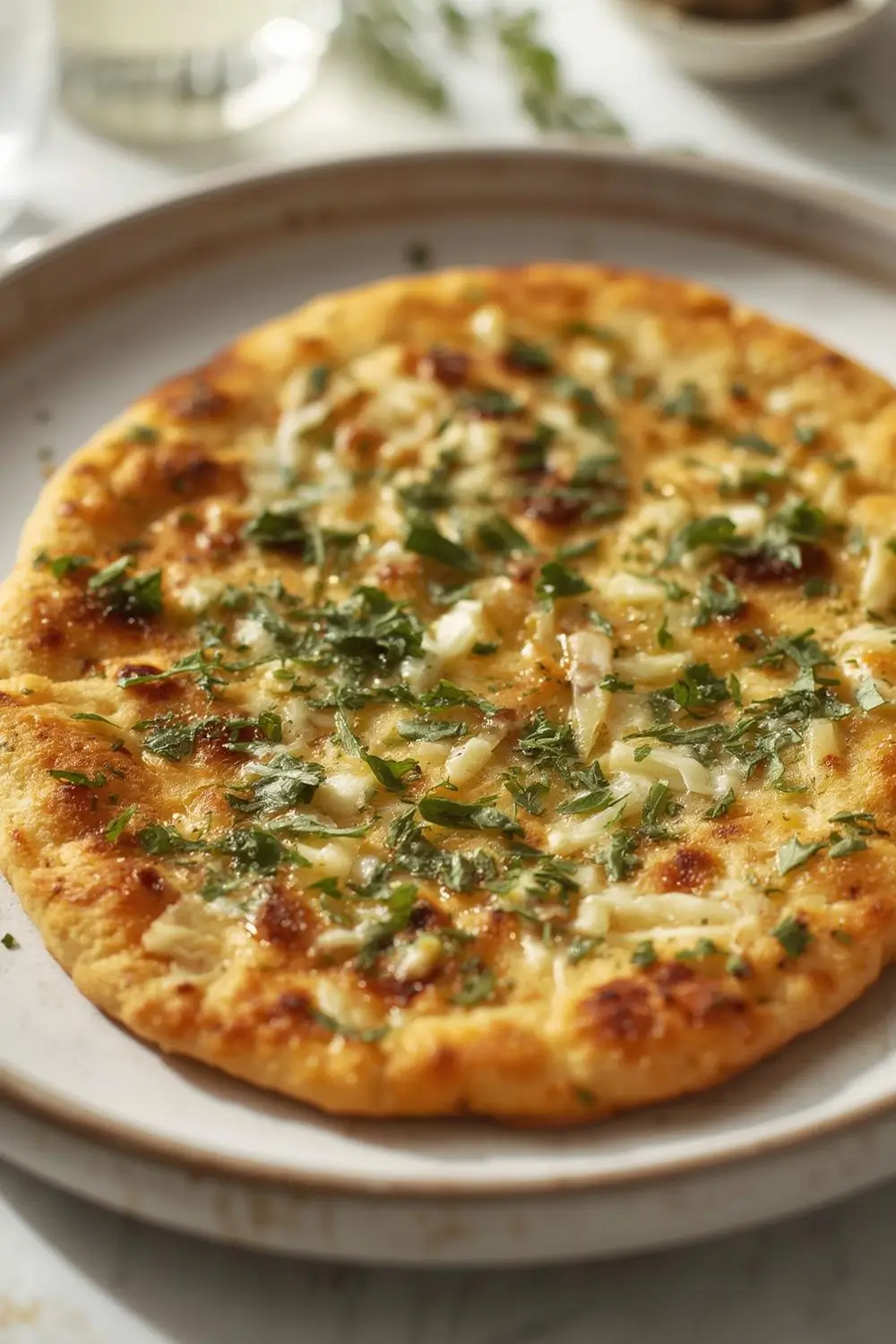
Imagine transforming that jar of tangy, bubbly sourdough discard sitting in your fridge into something utterly delicious. Something golden, crispy, and packed with the bright, fresh flavor of herbs. That’s exactly what this Crispy Herb Flatbread with Sourdough Discard recipe delivers. It’s a simple, satisfying way to use up your sourdough starter’s byproduct, creating a versatile snack or side dish that’s perfect for dipping, topping, or simply enjoying on its own. Forget complicated recipes; this one is pure, flavorful joy.
Why This Recipe is a Must-Try:
- Zero Waste Hero: It’s a fantastic way to utilize sourdough discard, reducing food waste.
- Flavor Powerhouse: The combination of tangy sourdough, aromatic herbs, and a hint of garlic creates a complex, savory profile.
- Textural Delight: The exterior achieves a satisfyingly crisp crunch, while the interior remains tender and chewy.
- Incredibly Versatile: Serve it warm as a snack, cut into wedges for dipping, top with soup or chili, or use as a base for mini pizzas.
- Beginner-Friendly: Requires no special equipment or advanced baking skills. Just a bit of patience for the dough to rest.
The Magic Ingredient: Sourdough Discard
Your sourdough discard isn’t waste; it’s the secret weapon here. This active starter left over from feeding your main sourdough culture brings incredible flavor and structure. It contributes a subtle tang that balances the fresh herbs and creates a unique, slightly chewy texture. Don’t be tempted to skip it or substitute with regular flour – the discard is essential for authenticity and taste.
Gathering Your Ingredients: Simplicity at Its Finest
This recipe relies on a few high-quality, accessible ingredients. Here’s what you’ll need:
- Sourdough Discard: 1 cup (120g), at room temperature. This is the star! Ensure it’s active and bubbly.
- All-Purpose Flour: 1 1/2 cups (190g). Provides the perfect structure. Bread flour can be used for a slightly chewier result, but AP flour is ideal for this flatbread.
- Water: 1/4 cup (60ml), lukewarm. Helps hydrate the flour and activate the sourdough.
- Olive Oil: 2 tablespoons (30ml). Adds richness and helps with browning. Extra virgin is best.
- Fresh Herbs: 1/4 cup (15g) finely chopped. Choose your favorites! Parsley, chives, dill, basil, or a mix work beautifully. Avoid woody herbs like rosemary unless finely chopped.
- Garlic: 1 small clove, minced. Adds a subtle depth without overpowering.
- Salt: 1/2 teaspoon (3g). Enhances all the flavors.
- Black Pepper: Freshly ground, to taste. Adds a final layer of complexity.
Why These Ingredients Work Together:
- Sourdough Discard: Provides tang, flavor, and structure.
- Flour & Water: Form the base dough.
- Olive Oil: Adds moisture, richness, and promotes browning.
- Fresh Herbs & Garlic: Deliver vibrant, fresh flavor.
- Salt & Pepper: Balance and elevate everything.
Step-by-Step Instructions: From Bowl to Golden Perfection
Creating this flatbread is straightforward, but attention to detail makes all the difference. Here’s how to achieve crispy, herb-packed perfection:
1. Combine the Wet Ingredients: In a medium bowl, whisk together the sourdough discard, lukewarm water, and olive oil until smooth and well combined. This ensures even hydration.
2. Incorporate the Dry Ingredients: Add the all-purpose flour, chopped fresh herbs, minced garlic, salt, and black pepper to the wet mixture. Using a sturdy spatula or your hands, mix until a shaggy dough forms. It will be quite sticky initially.
3. Knead the Dough: Turn the dough out onto a lightly floured surface. Knead for about 5-7 minutes. The goal is to develop the gluten slightly, making the dough smoother and less sticky. It shouldn’t be stiff like bread dough; it should still feel a little soft and pliable. Add a tiny bit more flour only if absolutely necessary to prevent sticking – too much flour makes the flatbread tough.
4. First Rest (Autolyse): Shape the dough into a ball and place it back into the lightly oiled bowl. Cover the bowl tightly with plastic wrap or a damp kitchen towel. Let it rest at room temperature for 30-45 minutes. This allows the flour to fully hydrate and the gluten to relax, making the dough easier to roll out later.
5. Divide and Shape: After the rest, gently deflate the dough and divide it into 4 equal pieces. Working with one piece at a time, shape it into a smooth ball. Cover the remaining dough balls to prevent drying.
6. Roll Out the Flatbreads: On a lightly floured surface, use a rolling pin to gently roll out one dough ball into a thin circle, about 1/8 inch thick. Aim for even thickness. If the dough resists or shrinks back, let it rest for 5-10 minutes before rolling again. The dough should be pliable.
7. Add the Herb Topping: Brush the rolled-out dough lightly with a little olive oil. Sprinkle generously with the remaining chopped fresh herbs and a pinch of salt. Press them gently into the dough so they adhere well.
8. Cook the Flatbreads: Heat a large, heavy-bottomed skillet (cast iron is ideal) or a griddle over medium-low heat. You want the pan hot enough to cook the flatbread but not so hot that it burns before cooking through. A drop of water flicked onto the pan should sizzle and evaporate quickly. Carefully place one rolled-out flatbread onto the hot pan.
9. First Side Cooking: Cook for 2-4 minutes, or until the bottom is deeply golden brown with some dark spots and blisters, and the edges look set. The flatbread should puff slightly in spots. Do not rush this step; good color develops flavor.
10. Flip and Finish: Using a thin spatula, carefully flip the flatbread. Cook the second side for another 1-2 minutes, until it’s also golden brown and crisp. You may need to adjust the heat slightly – if it’s browning too fast, reduce the heat; if it’s not browning, increase it slightly.
11. Rest and Repeat: Transfer the cooked flatbread to a wire rack or clean kitchen towel. This allows steam to escape, preventing sogginess. Repeat the process with the remaining dough balls, adding a touch more oil to the pan if needed between batches. Keep cooked flatbreads warm in a low oven (200°F/95°C) if cooking in batches.
12. Serve Immediately: The flatbreads are best enjoyed fresh and hot, right out of the pan. Their crispiness is at its peak.
Tips for Success:
- Room Temperature Discard: Ensure your sourdough discard is at room temperature before starting. Cold discard can make the dough harder to work with.
- Don’t Over-Flour: Use minimal flour when kneading and rolling. Too much flour makes the flatbread tough and dense.
- Patience with Cooking: Low and slow is key. Cooking over medium-low heat ensures the inside cooks through without burning the outside. Don’t be tempted to crank up the heat.
- Don’t Overcrowd the Pan: Cook flatbreads one at a time to ensure even cooking and prevent steaming.
- Rest the Dough: The 30-45 minute rest after kneading is crucial for texture. Don’t skip it!
- Herb Choice: Experiment! Parsley and chives are classic, but dill, basil, or a mix add wonderful variations. Avoid very strong herbs like raw rosemary unless finely chopped.
- Oil Application: Brushing the rolled-out dough with oil before adding herbs helps them stick and promotes browning.
Variations and Substitutions: Make it Your Own
This recipe is incredibly adaptable. Here are some ideas to customize it:
- Herb Medley: Use a combination of parsley, chives, dill, and basil for a complex flavor profile.
- Garlic Boost: Add an extra minced garlic clove for a stronger garlic punch.
- Cheese Addition: Sprinkle a small amount of grated Parmesan, feta, or sharp cheddar over the herbs before cooking for a cheesy twist.
- Spice It Up: Add a pinch of red pepper flakes or dried oregano to the herb mixture.
- Sweet Herb Twist: For a unique flavor, try adding a small amount of finely chopped fresh rosemary or thyme along with the garlic and salt.
- Whole Wheat Option: Substitute up to 1/2 cup of the all-purpose flour with whole wheat flour for a nuttier flavor and denser texture.
- Gluten-Free: Unfortunately, this recipe relies on wheat flour for structure and texture. A gluten-free flatbread recipe would require a different approach.
Storage and Reheating: Keeping the Crispness
- Cooling: Allow the flatbreads to cool completely on a wire rack before storing.
- Storage: Place cooled flatbreads in an airtight container or resealable plastic bag. They will keep at room temperature for 1-2 days. For longer storage, wrap individually in plastic wrap and freeze for up to 1 month.
- Reheating: To restore crispiness:
* Oven: Preheat oven to 350°F (175°C). Place flatbreads on a baking sheet and heat for 5-10 minutes until warmed through and crisp.
* Skillet: Place flatbreads in a dry, cold skillet over medium-low heat. Cover with a lid and heat for 2-3 minutes, flipping once, until warmed through and slightly crisp.
* Toaster Oven: Place flatbreads in a toaster oven set to “bake” or “toast” mode for 2-4 minutes until crisp.
Common Mistakes to Avoid: Ensuring Crispy Success
- Using Cold Discard: This makes the dough stiff and difficult to roll.
- Over-Flouring: Leads to dense, tough flatbreads.
- High Heat: Burns the outside before the inside cooks.
- Skipping the Rest: Results in a dough that’s hard to roll and less flavorful.
- Overcrowding the Pan: Steams the flatbreads instead of crisping them.
- Not Letting Them Cool: Storing warm flatbreads traps steam, causing sogginess.
- Using Too Much Oil: Can make the flatbreads greasy. A light brush is sufficient.
Frequently Asked Questions: Your Burning Questions Answered
1. Can I use sourdough starter instead of discard? Yes, but discard is preferred as it’s already at the right consistency and tang level. Starter might be thicker or thinner.
2. What if my dough is too sticky? Add a tiny amount of flour (1 teaspoon at a time) while kneading. Avoid adding too much.
3. My flatbreads aren’t puffing up. Why? This is normal for this style. They puff slightly in spots due to steam, but they won’t balloon like naan. The goal is crispness, not huge bubbles.
4. Can I make these ahead of time? They are best fresh, but you can make the dough ahead, refrigerate it for up to 24 hours, and shape/cook as needed. Let it come to room temperature before rolling.
5. Can I use a different type of flour? AP flour is ideal. Bread flour adds chew. Whole wheat flour adds flavor but can make them denser. Gluten-free flours won’t work well.
6. What’s the best way to store them long-term? Cool completely, wrap individually in plastic wrap, and freeze for up to 1 month. Reheat in the oven or skillet.
7. Can I add cheese? Yes! Sprinkle a small amount of grated Parmesan, feta, or sharp cheddar over the herbs before cooking.
8. Can I use dried herbs? Fresh herbs are best for maximum flavor. If using dried, use about half the amount and crush them slightly to release flavor.
9. Why is my flatbread soggy? This usually happens if stored warm or in a humid environment. Always cool completely and store airtight. Reheating properly restores crispness.
10. Can I make these without olive oil? You can substitute a small amount of water or milk for the olive oil, but the oil adds crucial flavor and helps with browning. It’s recommended.
A Final Toast to Your Sourdough Journey
Creating Crispy Herb Flatbread with Sourdough Discard is more than just baking; it’s a celebration of resourcefulness and flavor. It transforms something often seen as waste into a star player, filling your kitchen with the aroma of fresh herbs and sourdough. The process is simple, the results are spectacular, and the satisfaction of using your own starter is deeply rewarding. Whether you enjoy them warm and crispy straight from the pan, torn into pieces for dipping, or topped with a dollop of hummus or a smear of goat cheese, these flatbreads are a testament to the magic of sourdough. They’re a delicious reminder that great food often starts with a little patience and a lot of creativity. So, embrace your discard, roll out some dough, and savor the golden, savory goodness you create. Happy baking!