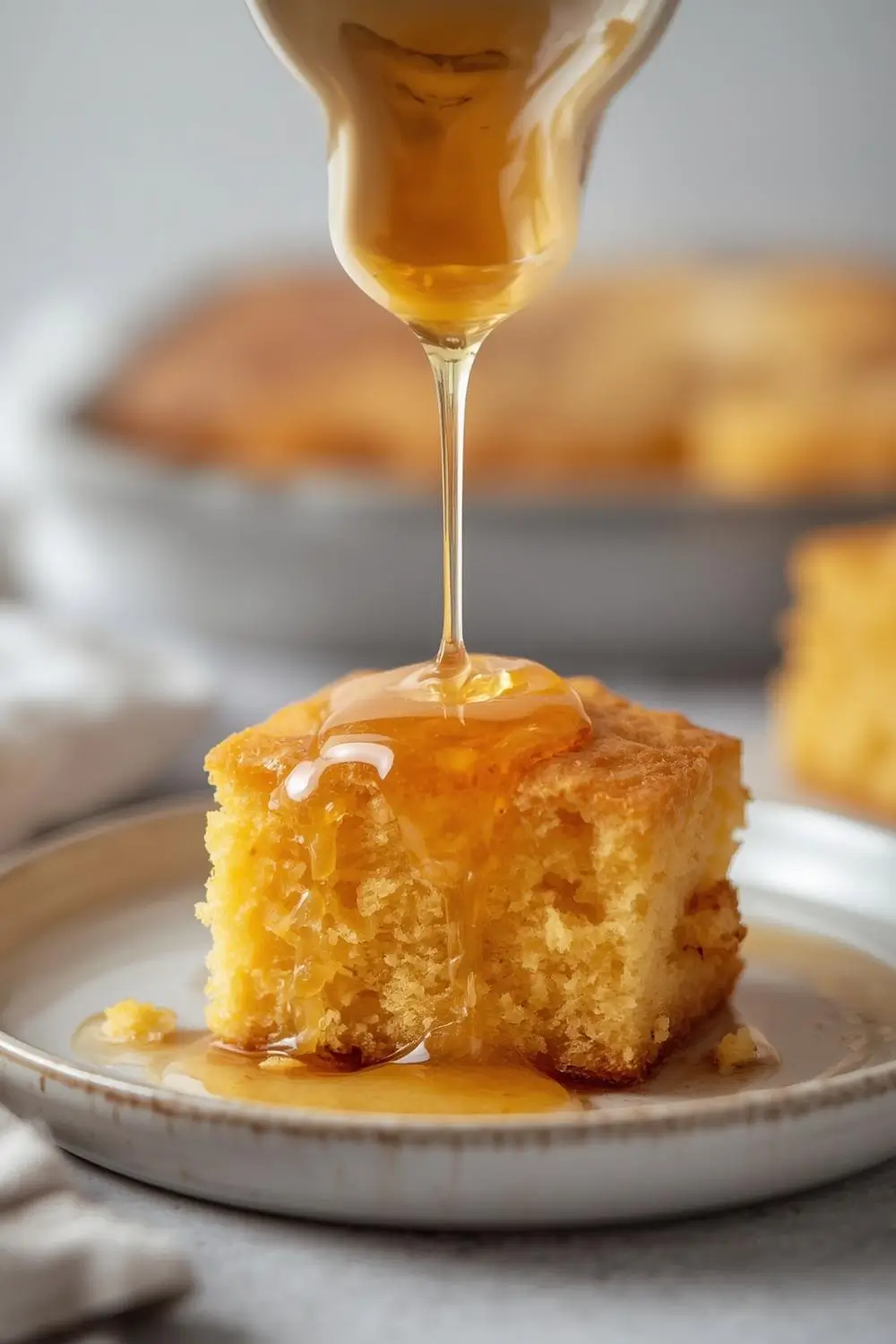
The Ultimate Sourdough DiscardHoney Butter Cornbread: Fluffy, Golden, and Irresistibly Sweet
Imagine transforming something you’d normally toss in the trash into the star of your breakfast table. That’s the magic of sourdough discard! This humble leftover from your daily bread-making ritual holds incredible potential. Today, we’re unlocking that potential to create something truly special: incredibly fluffy, golden sourdough discard honey butter cornbread. It’s a sweet, satisfying treat that bridges the gap between breakfast and dessert, perfect for cozy mornings or a comforting end to a meal. Forget complicated recipes or hard-to-find ingredients – this one relies on simple pantry staples you likely already have, making it a fantastic way to reduce waste and indulge in pure comfort.
Why Sourdough Discard is a Game-Changer
Sourdough discard isn’t just a byproduct; it’s a flavor and texture powerhouse. Its tangy, slightly sour notes add a unique depth that complements the sweetness of the honey butter glaze beautifully. Using it in cornbread transforms a simple quick bread into something far more complex and delicious. The discard also contributes to a wonderfully tender crumb and helps the bread rise beautifully without needing commercial yeast. It’s a win-win: you reduce food waste, and you get a uniquely tasty cornbread.
The Perfect Harmony: Sweet Cornbread Meets Rich Honey Butter
The beauty of this recipe lies in its simplicity and the perfect balance it achieves. The cornbread itself is sweet enough to stand on its own, with a gentle corn flavor that’s not overpowering. Then comes the crowning glory: a luscious honey butter glaze. This isn’t just melted butter drizzled on top; it’s a rich, sweet, and slightly tangy mixture of softened butter, honey, and a touch of vanilla. When poured over the hot, freshly baked cornbread, it seeps in, creating pockets of pure, gooey sweetness that melt into every bite. The contrast between the tender, slightly tangy cornbread and the rich, sweet glaze is simply divine.
Your Pantry Staples, Your Comfort Food
You probably have everything you need right now. Here’s what goes into creating this magic:
- Sourdough Discard: The star ingredient! Use about 1 cup (240ml) of your discard. It should be at room temperature for best results.
- All-Purpose Flour: Provides the structure. You can use whole wheat flour for a heartier texture, but all-purpose is classic.
- Granulated Sugar: Adds sweetness and helps with browning.
- Baking Powder & Baking Soda: Essential for leavening, helping the cornbread rise and become fluffy.
- Salt: Enhances all the other flavors.
- Milk: Adds moisture and tenderness. Whole milk is ideal, but any kind works.
- Eggs: Bind the ingredients together and add richness.
- Vegetable Oil or Melted Butter: Adds moisture and tenderness. Oil keeps it extra moist, while melted butter adds flavor.
- Honey Butter Glaze: This is where the magic happens:
* Unsalted Butter: Softened to room temperature.
* Honey: The sweet, golden nectar that ties everything together.
* Vanilla Extract: A touch of pure vanilla elevates the glaze.
Step-by-Step: Crafting Your Fluffy Cornbread
Now, let’s turn these ingredients into a beautiful loaf. This process is straightforward, but paying attention to detail ensures maximum fluffiness.
1. Preheat & Prep: Start by preheating your oven to 375°F (190°C). Grease an 8-inch or 9-inch square baking pan generously with butter or cooking spray. This prevents sticking and ensures a beautiful crust.
2. Combine Dry Ingredients: In a large bowl, whisk together the flour, sugar, baking powder, baking soda, and salt. Whisk thoroughly to ensure they are evenly distributed. This step is crucial for even rising.
3. Combine Wet Ingredients: In a separate medium bowl, whisk together the sourdough discard, milk, eggs, and oil (or melted butter). Whisk until smooth and well combined. The discard might look a bit lumpy, but that’s perfectly fine.
4. Mix Wet into Dry: Pour the wet ingredients into the bowl with the dry ingredients. Using a spatula or wooden spoon, gently fold the mixture just until the dry ingredients are moistened. Do not overmix! Overmixing develops gluten, leading to a tough, dense cornbread. You want a few small lumps remaining – that’s a good sign.
5. Pour & Smooth: Pour the batter into your prepared baking pan. Use the spatula to spread it evenly into the corners. A slight tap on the counter helps release any large air bubbles.
6. Bake to Golden Perfection: Place the pan in the preheated oven. Bake for approximately 25-35 minutes. The cornbread is done when a toothpick inserted into the center comes out clean or with just a few moist crumbs attached. The top should be a beautiful golden brown. Baking times can vary slightly depending on your oven and pan, so start checking around the 25-minute mark.
7. Cool Slightly: Remove the pan from the oven and let the cornbread cool in the pan for about 10-15 minutes. This allows it to set slightly, making it easier to cut without falling apart. It will still be warm and inviting.
8. Create the Honey Butter Glaze: While the cornbread cools, make the glaze. In a small bowl, beat the softened butter with a fork until smooth and creamy. Add the honey and vanilla extract, beating until fully incorporated and smooth. Taste and adjust sweetness if desired – you can add a tiny pinch more honey if you like it sweeter.
9. Glaze & Serve: Once the cornbread has cooled for 10-15 minutes, pour the honey butter glaze evenly over the top. Use a spatula or the back of a spoon to gently spread it over the entire surface, allowing it to seep into the cracks. Let it sit for 5-10 minutes before slicing. This allows the glaze to set slightly and soak in, creating those irresistible pockets of sweetness. Serve warm, perhaps with an extra pat of butter or a dollop of whipped cream on the side.
Tips for Ultimate Fluffiness & Success
- Room Temperature Ingredients: Letting the sourdough discard, milk, eggs, and butter reach room temperature before mixing helps them combine smoothly and creates a more uniform batter, leading to better rise and texture.
Don’t Overmix: This is the golden rule! Mix just* until the dry ingredients are moistened. Lumps are your friend.
- Don’t Overbake: Overbaking is a common mistake that leads to dryness. Set your timer for the minimum time and check frequently after that. The toothpick test is your best friend.
- Use a Light Hand: When spreading the batter or the glaze, use a gentle touch to avoid deflating the batter or creating holes.
- Fresh Discard is Best: While you can use discard that’s been in the fridge for a few days, using it within a week ensures the best flavor and activity level. If it’s very stiff, you can stir in a splash of milk to loosen it slightly.
- Pan Size Matters: An 8-inch pan will yield a taller, slightly denser loaf. A 9-inch pan will give you a flatter, more spread-out cornbread. Both are delicious – just adjust baking time slightly if using a different size (check for doneness 5-10 minutes earlier or later).
Variations & Substitutions: Making it Your Own
The beauty of this recipe is its adaptability:
- Whole Wheat Flour: Substitute up to half of the all-purpose flour with whole wheat flour for a nuttier flavor and denser texture. The discard helps keep it tender.
- Add-Ins: Fold in ½ cup of your favorite additions just before pouring the batter into the pan. Try:
* Cheese: ½ cup shredded cheddar or Monterey Jack.
* Herbs: 2-3 tablespoons finely chopped fresh chives, parsley, or thyme.
* Sweet Add-Ins: ½ cup corn kernels (fresh, frozen, or canned, drained), ½ cup diced cooked bacon (if allowed), or ½ cup chocolate chips.
- Sweetener Swap: Use maple syrup or agave nectar instead of honey in the glaze for a different flavor profile.
- Dairy-Free: Use a dairy-free milk (like almond, soy, or oat milk) and a dairy-free butter substitute in both the cornbread batter and the glaze. Ensure your sourdough discard is also dairy-free if necessary.
- Gluten-Free: Use a 1:1 gluten-free all-purpose flour blend. You may need a touch more liquid (milk or discard) as GF flours absorb differently. Ensure your sourdough discard is gluten-free if required.
Storage & Reheating: Keeping the Magic Alive
- Room Temperature: Store any leftover cornbread, covered tightly at room temperature, for up to 2 days. The glaze helps keep it moist.
- Refrigeration: For longer storage (up to 4-5 days), wrap the cooled cornbread tightly in plastic wrap or place it in an airtight container. The glaze might firm up slightly in the fridge, but it will soften again when reheated.
- Freezing: Wrap individual slices or the whole loaf tightly in plastic wrap, then foil, or place in a freezer-safe bag. Freeze for up to 3 months. Thaw at room temperature or reheat gently.
- Reheating: To restore its warmth and gooey glaze:
* Oven: Wrap slices in foil and warm in a 300°F (150°C) oven for 10-15 minutes.
* Microwave: Place a slice on a microwave-safe plate and heat on high for 20-30 seconds. Be careful not to overheat and make it rubbery.
* Toaster Oven: This works well for slices, giving a slightly crisp edge.
Common Mistakes to Avoid: Learning from Experience
- Overmixing: The #1 culprit for dense cornbread. Mix until just combined.
- Using Cold Ingredients: Cold sourdough discard, milk, or eggs can cause the batter to curdle slightly and affect rise.
- Overbaking: Leads to dryness. Start checking early!
- Not Greasing the Pan Well: Cornbread can stick badly if the pan isn’t properly greased. Use butter or cooking spray generously.
- Using Old Discard: Discard that’s been in the fridge for weeks might not have enough activity, leading to poor rise. Use it within a week for best results.
- Skipping the Glaze: While the cornbread is delicious on its own, the honey butter glaze is what makes it truly special. Don’t skip it!
Your Sourdough Discard Honey Butter Cornbread FAQs
- What do I do with sourdough discard if I don’t bake often? This recipe is perfect! It uses a standard cup of discard. You can also freeze discard in 1-cup portions for later use.
- Can I use sourdough discard that’s been in the fridge for a week? Yes, it’s usually fine. If it’s very stiff, you can stir in a splash of milk to loosen it slightly. The flavor might be a touch stronger, which is often delicious.
- Why is my cornbread dense? Likely overmixing or using cold ingredients. Mix gently and ensure everything is room temperature.
- Can I make this without sourdough discard? You can substitute buttermilk or plain yogurt for the discard for a similar tangy flavor, but the unique character of sourdough won’t be there. The discard is key to the recipe’s charm.
- How do I store the glaze? Keep it covered in the refrigerator for up to 1 week. Let it come to room temperature before spreading it on the cornbread.
- Can I freeze the unbaked batter? It’s not recommended, as the leavening agents can start working before baking. Bake it fresh for best results.
- Is this recipe dairy-free? No, it contains milk and butter. Use dairy-free substitutes as mentioned in the variations.
- Can I add cheese to this? Absolutely! Fold in ½ cup of shredded cheddar or Monterey Jack just before baking for a savory-sweet twist.
- How long does the cornbread last? Stored covered at room temperature, it’s best enjoyed within 2 days. Refrigerated, it lasts 4-5 days.
- Can I make this gluten-free? Yes, using a 1:1 gluten-free flour blend. You may need a touch more liquid.
The Sweet Conclusion: A Recipe Worth Repeating
There you have it – your journey to creating the fluffiest, most golden sourdough discard honey butter cornbread. It’s a recipe that celebrates resourcefulness, transforms the ordinary into the extraordinary, and delivers pure, comforting sweetness. The tangy depth of the sourdough discard harmonizes beautifully with the rich, sweet glaze, creating a cornbread that’s far more than the sum of its parts. It’s a testament to the magic of baking with what you have, turning leftovers into a beloved family favorite. The simplicity of the ingredients belies the complexity of the flavor and texture. Each bite offers a delightful contrast: the tender, slightly tangy crumb gives way to a burst of gooey, honeyed butter. It’s perfect for a weekend brunch, a cozy dessert, or simply a sweet treat to share with loved ones. So, don’t let your sourdough discard go to waste! Give this recipe a try and experience the joy of baking with purpose and creating something truly special. Happy baking!