Contents
- 1 Why Choose a Boneless Prime Rib Roast?
- 2 Choosing the Best Boneless Prime Rib Roast
- 3 Ingredients for the Easy Oven Method
- 4 Tools You’ll Need
- 5 Preparing Your Boneless Prime Rib Roast
- 6 Easy Oven Method: Step-by-Step Instructions
- 7 Understanding Oven Temperatures and Doneness
- 8 How to Carve a Boneless Prime Rib Roast
- 9 Creating a No-Alcohol Au Jus
- 10 Best Side Dishes for Boneless Prime Rib
- 11 Flavor Variations
- 12 Tips for Success
- 13 Troubleshooting Common Issues
- 14 Storing and Reheating Leftover Prime Rib
- 15 Meal Ideas Using Leftover Prime Rib
- 16 Frequently Asked Questions
- 17 Final Thoughts
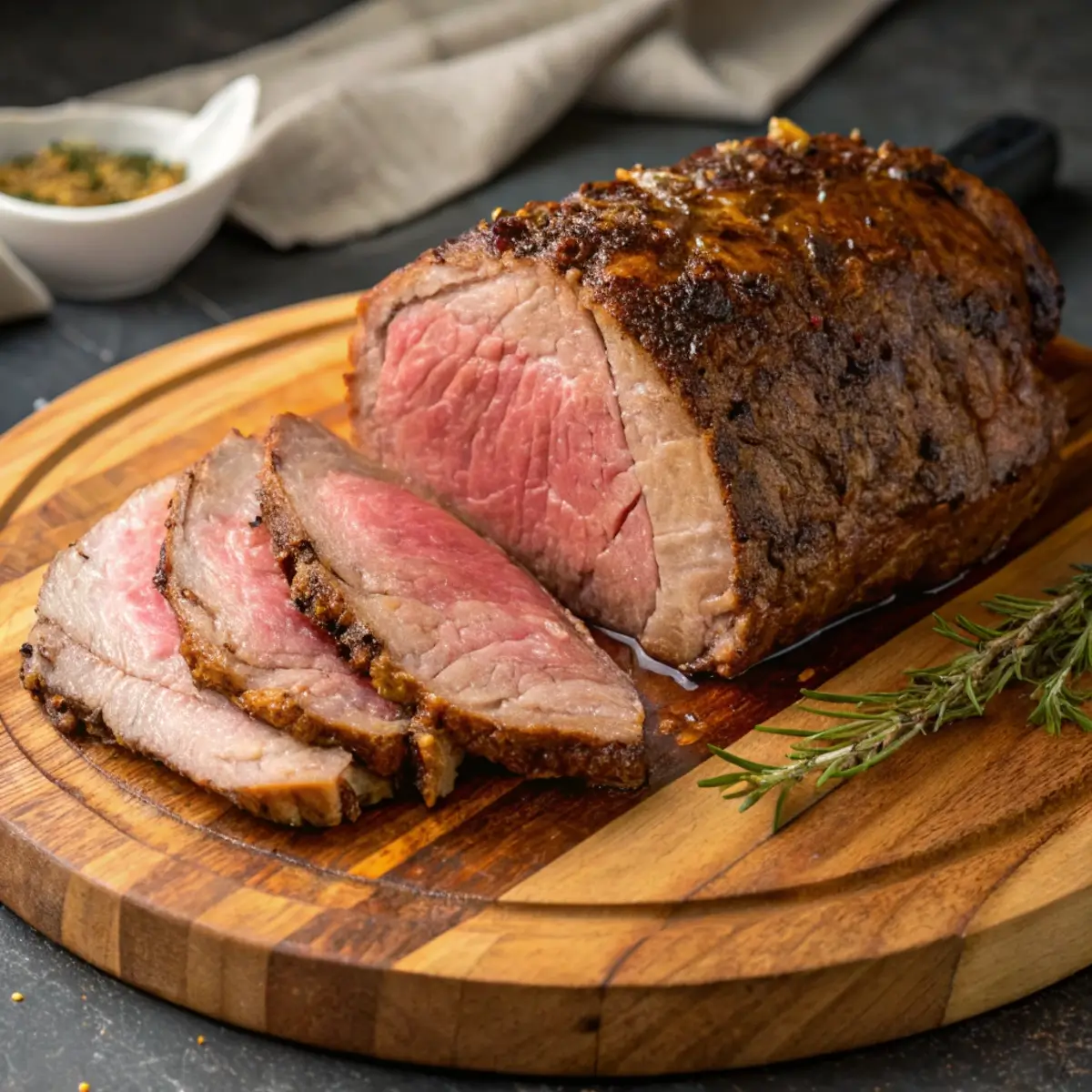
A boneless prime rib roast is one of the most impressive dishes you can place at the center of your dinner table. Juicy, tender, richly flavored, and naturally elegant—prime rib has long been a favorite for holiday gatherings, celebrations, and special family meals. But despite its luxurious reputation, preparing a restaurant-quality boneless prime rib at home is surprisingly simple when you follow the right method.
This easy oven approach focuses on consistency and simplicity. There’s no need for complicated techniques, hard-to-find ingredients, or specialized cooking equipment. Instead, the method relies on slow, gentle heat, proper seasoning, and a simple high-heat finish to create a deep, golden-brown crust. With this guide, even beginner cooks can produce a prime rib roast that rivals an upscale steakhouse.
You’ll find everything you need here: how to choose the right cut, how to season and prepare the roast, how to control oven temperature, and how to carve the roast properly. You’ll also learn about side dish pairings, variations, reheating tips, storage guidelines, and solutions to common cooking issues. This detailed article ensures you can prepare your boneless prime rib with complete confidence—every slice juicy, tender, and beautifully pink.
Why Choose a Boneless Prime Rib Roast?
While bone-in prime rib is a classic, the boneless version has its own advantages—especially when ease and precision matter.
Easier Carving
Boneless roasts allow you to slice evenly without navigating around the rib bones, making them perfect for serving a crowd.
Consistent Cooking
Without bones acting as insulation, the roast cooks evenly throughout. This is ideal for achieving a uniform pink center from edge to edge.
Faster Roasting Time
Boneless prime rib cooks slightly faster, making it more convenient for planning your meal.
Great for Smaller Kitchens
A boneless roast fits easily in any roasting pan or oven size, offering flexibility for home cooks.
With the right method, a boneless prime rib can be just as tender and flavorful as a bone-in version, while giving you full control over the final texture and presentation.
Choosing the Best Boneless Prime Rib Roast
The quality of your roast greatly affects the final result. Look for these features when selecting your prime rib.
Marbling
The fine white streaks of fat running through the beef—known as marbling—are essential for tenderness. As the roast cooks, this fat melts and enhances flavor.
Weight
Plan for about ¾ to 1 pound per person, depending on appetite.
A 4–7 pound roast is typical for family dinners or holiday gatherings.
Color and Freshness
Look for beef that is bright, vibrant red with creamy white fat. Avoid roasts with dull coloration or excessive liquid in the packaging.
Ingredients for the Easy Oven Method
This recipe uses simple, classic ingredients that highlight the natural richness of the beef—no alcohol, no pork, and no unnecessary fillers.
-
1 boneless prime rib roast (4–7 pounds)
-
2–3 tablespoons kosher salt
-
1 tablespoon freshly ground black pepper
-
1 tablespoon garlic powder
-
1 tablespoon onion powder
-
1–2 teaspoons smoked or sweet paprika (optional for deeper color)
-
3–4 cloves garlic, minced
-
2 tablespoons olive oil
-
Fresh chopped herbs (optional): rosemary, thyme, parsley
All ingredients are everyday pantry staples, making this recipe convenient for any home cook.
Tools You’ll Need
-
Roasting pan
-
Optional rack
-
Aluminum foil
-
Sharp carving knife
-
Cutting board
-
Meat thermometer (recommended for perfect doneness)
Using a thermometer helps ensure consistent results, especially with prime rib, which continues cooking during resting.
Preparing Your Boneless Prime Rib Roast
This preparation method builds flavor, improves browning, and ensures tender slices.
Bring the Roast to Room Temperature
Remove the roast from the refrigerator and let it rest at room temperature for 1–2 hours. This allows the center to cook at the same rate as the outer edges.
Mix Your Seasoning
Combine salt, pepper, garlic powder, onion powder, paprika, and minced garlic. Add fresh herbs if desired. This mix creates a well-balanced savory crust.
Coat the Roast
Rub the roast with olive oil, then massage the seasoning all over the surface. Ensure the entire roast is covered, including the sides.
Optional Overnight Seasoning
You can season the roast the night before and refrigerate uncovered. This helps dry the surface for a better crust and allows the seasonings to penetrate deeper.
Easy Oven Method: Step-by-Step Instructions
This simple technique relies on two key phases: slow roasting and high-heat finishing.
Step 1: Preheat the Oven
Set your oven to 250°F (120°C).
Low and slow cooking ensures even heat and a tender result.
Step 2: Prepare the Roasting Pan
Place the roast fat-side up in the pan. A rack is optional but helps keep air circulating around the meat.
Step 3: Slow Roast
Cook until the internal temperature reaches:
-
115°F for rare
-
120°F for medium-rare
-
130°F for medium
-
140°F for medium-well
For classic medium-rare, remove the roast at 120°F.
This usually takes 20–30 minutes per pound, depending on your oven and roast size.
Step 4: Rest the Roast
Remove the roast from the oven and cover loosely with foil. Let it rest for 20–30 minutes.
Resting is crucial because:
-
Heat redistributes evenly
-
Juices settle inside the meat
-
The roast rises 5–10 degrees in temperature (“carryover cooking”)
Step 5: Heat the Oven to High Temperature
Increase the oven to 500°F (260°C).
Step 6: Create the Crust
Place the roast back in the hot oven for 8–10 minutes, until the exterior becomes crisp and brown.
Step 7: Final Rest
Allow the roast to rest again for 10 minutes before slicing. This final rest creates those perfectly juicy and tender slices prime rib is known for.
Understanding Oven Temperatures and Doneness
Prime rib can be cooked to various levels of doneness, but medium-rare is the most popular.
Rare
Warm red center
Internal temperature after resting: 125°F
Medium-Rare
Rosy pink center
Internal temperature after resting: 130°F
Medium
Pink center with less juiciness
Internal temperature after resting: 140°F
Medium-Well
Slightly pink, mostly brown
Internal temperature after resting: 150°F
Using a thermometer ensures that your roast reaches exactly the temperature you want.
How to Carve a Boneless Prime Rib Roast
Carving is much easier without bones, making presentation simple and impressive.
-
Place roast on a large cutting board.
-
Use a long, sharp carving knife for smooth slices.
-
Cut across the grain for tender bites.
-
Slice into even portions—thick slices for a bold presentation or thin slices for delicate servings.
Arrange on a platter and garnish with fresh herbs for an elegant touch.
Creating a No-Alcohol Au Jus
A simple, savory pan sauce enhances each slice without using alcohol.
Ingredients
-
Pan drippings
-
1–2 cups beef broth
-
Salt and pepper
Method
-
Remove the roast from the pan.
-
Place the pan on medium heat.
-
Add beef broth and scrape up the browned bits.
-
Simmer until slightly reduced.
-
Season to taste.
This no-alcohol au jus adds depth and moisture to every serving.
Best Side Dishes for Boneless Prime Rib
Prime rib pairs wonderfully with a variety of sides. Here are some favorites:
-
Mashed potatoes
-
Roasted baby potatoes
-
Garlic green beans
-
Steamed asparagus
-
Creamed spinach
-
Roasted carrots
-
Buttery dinner rolls
-
Fresh garden salad
Choose one or several to create a complete, well-balanced meal.
Flavor Variations
The basic seasoning blend is delicious on its own, but you can easily customize your roast.
Herb-Crusted Prime Rib
Add rosemary, thyme, and parsley for a fragrant herbal crust.
Garlic Butter Prime Rib
Mix softened butter with minced garlic and spread across the roast before cooking.
Smoky Paprika Blend
Use smoked paprika for a bolder, deeper flavor profile.
Lemon Herb Rub
Add lemon zest for freshness and brightness.
All variations remain alcohol-free and family-friendly.
Tips for Success
Use a Thermometer
This is the most reliable way to achieve the perfect doneness.
Don’t Skip the Resting Periods
Resting prevents juices from spilling out and keeps the meat tender.
Season Generously
Prime rib is a thick cut, so seasoning must be bold enough to penetrate.
Keep the Oven Closed
Resist the urge to open the oven door—heat fluctuations affect roasting time.
Dry the Surface Before High-Heat Browning
A dry exterior helps create a crisp crust.
Troubleshooting Common Issues
Roast Cooked Too Fast
Your oven may run hot—always watch using a thermometer.
Roast Is Undercooked
Return to the oven at 250°F for a few minutes at a time.
Roast Is Overcooked
Serve with extra au jus to restore moisture.
Crust Didn’t Brown
Make sure the roast is dry before returning it to the oven for the high-heat finish.
Seasoning Didn’t Stick
Pat the roast dry and rub with oil before applying seasonings.
Storing and Reheating Leftover Prime Rib
Prime rib reheats beautifully when done correctly.
Refrigerating
Store slices in an airtight container for up to 4 days.
Freezing
Wrap slices tightly and freeze for up to 2 months.
Reheating
Warm slices in a 250°F oven with a splash of broth for 10–15 minutes.
Avoid microwaving, which can toughen the meat.
Meal Ideas Using Leftover Prime Rib
Leftovers can be just as delicious as the initial meal.
-
Prime rib sandwiches
-
Steak and eggs
-
Prime rib fried rice
-
Beef quesadillas
-
Sliced over salad
-
Prime rib breakfast hash
These options add variety and help you enjoy every last bite of your roast.
Frequently Asked Questions
Does a boneless prime rib cook faster?
Yes, it cooks slightly faster because there are no bones to act as insulation.
How do I know when the roast is done?
Use a meat thermometer and follow internal temperature guidelines.
Do I need to tie a boneless roast?
Some butchers tie them for even shape. If yours is uneven, use kitchen twine.
Should the roast be covered during cooking?
No. Leave it uncovered to allow the crust to develop.
Can I season it the night before?
Absolutely—seasoning in advance intensifies flavor.
Is olive oil necessary?
It helps the seasoning adhere and encourages browning.
Should the roast sit at room temperature before cooking?
Yes, this helps it cook more evenly.
Can I cook it at a higher temperature to save time?
Higher heat cooks the outside too quickly and dries the meat. Low and slow is best.
Can I make this recipe without alcohol?
Yes—this recipe uses no alcohol and relies only on beef broth for au jus.
What is the best doneness for prime rib?
Medium-rare is the most popular because it remains tender and juicy.
Final Thoughts
A boneless prime rib roast may look like a gourmet centerpiece, but with this easy oven method, it’s incredibly achievable for any home cook. The combination of slow roasting, generous seasoning, and a quick high-heat finish guarantees a tender center, exceptional flavor, and a beautifully browned crust. This method works perfectly for holiday meals, weekend gatherings, anniversaries, or anytime you want a comforting, impressive entrée that feels special.
With simple ingredients, minimal effort, and reliable results, this boneless prime rib method is a true crowd-pleaser. Once you make it, you’ll understand why so many home cooks choose this easy approach again and again. Serve it proudly with your favorite sides, enjoy the compliments, and savor every juicy, flavorful bite.