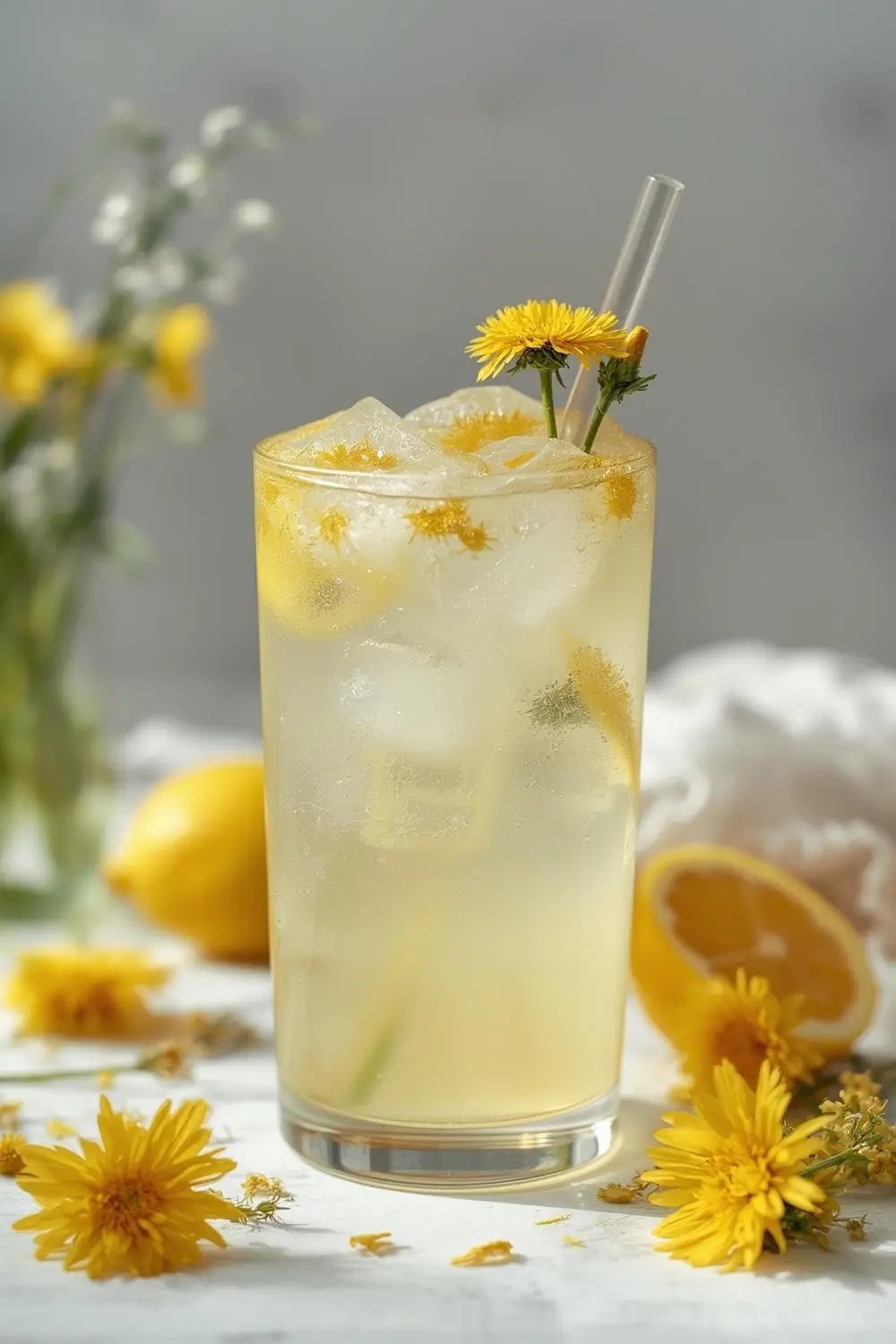
Spring whispers its arrival, painting the world in vibrant greens and promising a bounty of fresh flavors. Among nature’s earliest gifts, the humble dandelion often gets overlooked, dismissed as a pesky weed. Yet, this resilient plant holds a secret treasure: its bright yellow blossoms, when handled with care, transform into the heart of a truly unique and invigorating beverage. Dandelion Flower Lemonade isn’t just a drink; it’s a celebration of spring’s renewal, a naturally sweet and subtly floral elixir that captures the season’s essence perfectly. This recipe is designed for the home cook, requiring no fancy equipment or obscure ingredients, making it accessible and delightful for anyone eager to connect with nature’s pantry.
The Essence of Spring in a Glass
Imagine the first warm breeze carrying the delicate scent of blooming dandelions. That essence is bottled in this lemonade. The dandelion flowers lend a gentle, honeyed sweetness and a faint, intriguing floral note that dances beautifully with the bright tang of fresh lemon juice. It’s a drink that feels inherently pure, crafted from ingredients you can often find growing right outside your door (with the utmost respect for nature and proper identification). This recipe is naturally alcohol-free, making it a perfect choice for all ages and gatherings. It’s also free from pork and its derivatives, aligning with specific dietary preferences. The result is a light, refreshing, and deeply satisfying beverage that feels like a toast to the season itself.
Gathering Your Spring Bounty
The beauty of Dandelion Flower Lemonade lies in its simplicity and reliance on readily available ingredients. You likely already have most of what you need in your pantry, and the star ingredient might be growing in your lawn or a nearby field. Here’s what you’ll need:
- Fresh Dandelion Flowers: This is the star! You need approximately 1 to 1.5 cups of freshly picked, unopened or barely opened yellow dandelion blossoms. Crucially: Ensure they are harvested from an area free of pesticides, herbicides, and heavy traffic (like near roads). Only the yellow petals are used; the green sepals and base should be removed. Look for flowers that are vibrant, not wilted or browning.
- Fresh Lemons: You’ll need about 6-8 medium lemons to yield roughly 1 cup of freshly squeezed lemon juice. The zest adds wonderful brightness, so include that too!
- Pure Water: Filtered or spring water is best for the purest flavor.
- Sweetener (Optional): While the dandelion flowers add a natural sweetness, you might prefer a touch more. Options include:
* Granulated Sugar: Classic and dissolves easily.
* Honey: Adds a lovely floral note that complements the dandelions.
* Maple Syrup: Offers a distinct, rich sweetness.
* Agave Nectar: A vegan option with a mild flavor.
- Salt (Optional but Recommended): A tiny pinch (about 1/8 teaspoon) enhances the overall flavor profile, balancing the sweetness and brightness.
- Ice: For serving.
Step-by-Step: Crafting Your Spring Elixir
Making Dandelion Flower Lemonade is a gentle, rewarding process. It’s less about complex techniques and more about respecting the ingredients and allowing their natural flavors to shine. Here’s how to do it:
1. Prepare the Dandelion Petals: Gently rinse the dandelion blossoms under cool running water to remove any dirt or insects. Pat them very dry with clean paper towels. Carefully pluck off the yellow petals, discarding the green sepals and the base of the flower head. You should be left with just the vibrant yellow petals. Set them aside.
2. Infuse the Water: This step is key to capturing the delicate dandelion flavor. Place the prepared dandelion petals into a large pitcher or heatproof bowl. Pour over 4 cups of cool, filtered water. Stir gently to submerge the petals. Cover the container and let it steep at room temperature for at least 4 hours, or preferably overnight (8-12 hours). The longer it steeps, the stronger the flavor will be. Avoid steeping for more than 24 hours, as the flavor can become bitter.
3. Juice the Lemons: While the dandelion water steeps, juice your lemons. Roll each lemon firmly on a hard surface before cutting to maximize juice extraction. Strain the juice to remove any seeds. Zest the lemons and add the zest to the pitcher with the infused dandelion water.
4. Sweeten and Season: Once the infusion is complete, strain the dandelion water through a fine-mesh sieve or cheesecloth into a clean pitcher, pressing gently on the petals to extract all the liquid. Discard the used petals. Add the lemon juice, zest, and your chosen sweetener (start with 1/2 cup if using granulated sugar or honey, adjust to taste later). Add the pinch of salt. Stir well until the sweetener is completely dissolved.
5. Chill and Serve: Taste the lemonade. It should be pleasantly sweet with a bright, tangy lemon flavor and a subtle, pleasant floral note from the dandelions. If it’s too tart, add a little more sweetener. If it’s too sweet, add a splash of cold water. Chill the lemonade thoroughly in the refrigerator for at least 1 hour before serving. Serve over plenty of ice in tall glasses. Garnish with a lemon slice or a single dandelion petal for a beautiful presentation.
Tips for Success
- Freshness is Paramount: The flavor of the lemonade is directly tied to the freshness of the dandelion petals. Use them as soon as possible after picking.
- Gentle Handling: Be careful not to bruise the petals during preparation, as this can release bitter compounds.
- Straining Thoroughly: Ensure you strain the infused water well to remove all traces of the green sepals and base, which can impart bitterness.
- Sweetener Balance: Taste as you go! The natural sweetness of the dandelions can vary, and your personal preference matters. Start with less sweetener and adjust.
- Cold is Key: Serving the lemonade ice-cold is essential for the best refreshing experience. Keep it chilled until ready to serve.
Variations and Substitutions
- Different Sweeteners: Experiment with different sweeteners as mentioned. Honey or maple syrup can add unique depth. For a completely sugar-free version, use a natural sweetener like stevia or monk fruit extract, adjusting to taste.
- Flavored Infusions: Add a twist! Steep a few sprigs of fresh mint, a slice of ginger, or a cinnamon stick along with the dandelion petals during the infusion step for extra complexity.
- Sparkling Version: For a fizzy treat, simply top off the chilled lemonade with sparkling water or club soda when serving.
- Frozen Lemonade: Blend the chilled dandelion lemonade with a handful of ice cubes for a slushie-like consistency.
- Citrus Variations: Substitute some of the lemon juice with lime juice or a combination of both for a different tang.
Storing Your Spring Sip
Homemade Dandelion Flower Lemonade is best enjoyed fresh, but you can store it in the refrigerator for up to 3 days. Store it in a tightly sealed pitcher or glass bottle. The flavor might mellow slightly over time, and the dandelion petals will continue to infuse, potentially becoming more bitter. If storing, strain the lemonade again before serving to remove any lingering petal fragments. For longer storage, freeze the lemonade in ice cube trays or small containers; use these cubes to chill future glasses without diluting the flavor.
Avoiding Common Pitfalls
- Using Wilted or Damaged Petals: This leads to a weak flavor and potential bitterness.
- Steeping Too Long: Over-steeping (more than 12-24 hours) can make the lemonade bitter.
- Not Straining Thoroughly: Leaving green sepals and bases in the final drink results in a bitter taste.
- Over-Sweetening: Taste before chilling! The lemonade will taste less sweet when cold.
- Using Non-Fresh Lemons: Stale or old lemons yield less juice and less vibrant flavor.
- Ignoring Pesticide Safety: Never use dandelions from areas treated with chemicals. This is non-negotiable for safety.
Your Spring Celebration: Frequently Asked Questions
Q: Are dandelion flowers safe to eat?
A: Yes, when harvested from a clean, pesticide-free source and prepared correctly (removing the green base/sepal), dandelion petals are safe and edible. They are actually considered a nutritious wild green.
Q: What does dandelion flower lemonade taste like?
A: It has a unique profile: bright, tangy lemon flavor with a subtle, honeyed sweetness and a delicate, floral note from the dandelions. It’s refreshing and light, not overpowering.
Q: Can I use dried dandelion flowers?
A: While possible, fresh flowers are strongly preferred for the best flavor and aroma. Dried flowers can be more bitter and lack the vibrant taste of fresh ones.
Q: How do I identify dandelions correctly?
A: Look for the distinctive bright yellow, ray-like petals surrounding a green center (the sepals). The plant has a single, hollow stem and grows low to the ground. Avoid any plants with white or milky sap, which might indicate a different, potentially toxic weed.
Q: Can I make this recipe without honey or sugar?
A: Absolutely! The natural sweetness of the dandelion petals provides a base flavor. You can enjoy it unsweetened, or use a sugar substitute like stevia or monk fruit extract to taste.
Q: Is this drink suitable for children?
A: Yes, this naturally sweet, non-alcoholic drink is perfect for kids. Ensure the dandelions are from a safe source.
Q: Can I use this lemonade in cocktails?
A: While the recipe is alcohol-free, you could certainly use this Dandelion Flower Lemonade as a base for a non-alcoholic mocktail or even as a unique mixer in adult beverages if you choose to add a small amount of your preferred spirit (though the recipe itself remains non-alcoholic).
The Final Sip
Dandelion Flower Lemonade is more than just a refreshing drink; it’s a connection to the earth’s cycles and a celebration of spring’s simple, wild beauty. It’s a testament to the idea that sometimes, the most extraordinary flavors come from the most unexpected places. With its gentle floral notes dancing alongside the bright tang of lemon, it offers a taste of renewal and natural sweetness. Whether you’re hosting a spring brunch, seeking a hydrating pick-me-up on a warm day, or simply wanting to explore the flavors nature offers freely, this recipe delivers. It’s a simple, joyful way to embrace the season and savor the bounty that grows right outside your door. So, gather your blossoms, squeeze your lemons, and raise a glass to the vibrant, refreshing taste of spring. Enjoy every sip of your homemade Dandelion Flower Lemonade!