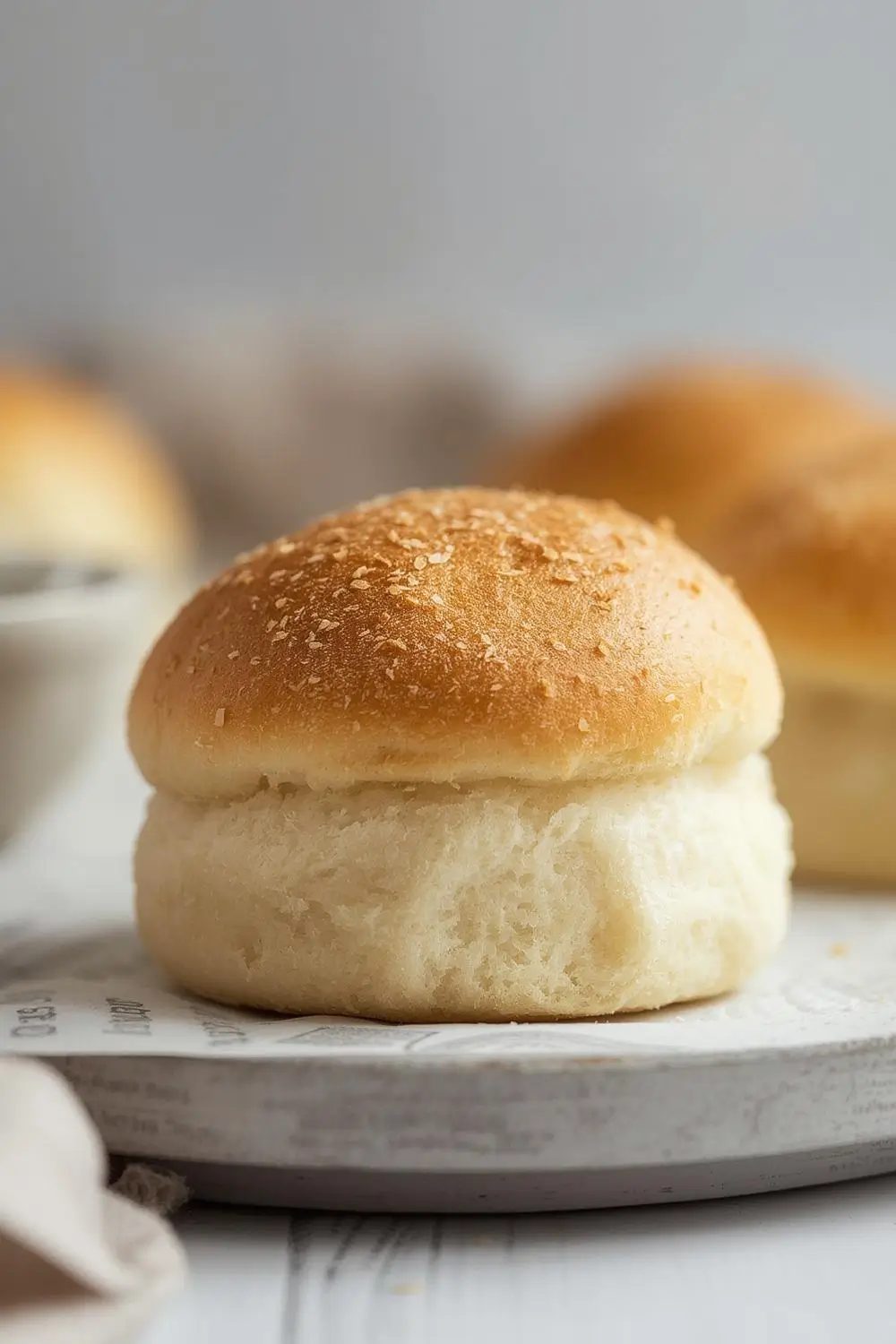
The Ultimate Guide to Fluffy Sourdough Discard Sandwich Rolls: Zero Waste, Maximum Flavor
Imagine transforming that mysterious, tangy blob in your fridge into something utterly magical. That’s exactly what happens when you turn your sourdough discard into these incredibly soft, fluffy, and utterly delicious sandwich rolls. Forget complicated kneading or fancy equipment – this no-knead recipe harnesses the power of your leftover starter to create a tender, flavorful base perfect for burgers, deli slices, or your favorite spreads. It’s a triumph of zero waste, maximum flavor, and pure baking joy.
Why Sourdough Discard is Your Secret Weapon
Sourdough discard isn’t waste; it’s a treasure trove of flavor and texture waiting to be unlocked. This tangy, bubbly mixture is packed with wild yeast and lactic acid bacteria, giving your rolls a complex depth that commercial yeast simply can’t replicate. Using it up is not just eco-friendly; it elevates your baking to a whole new level. These rolls boast a wonderfully tender crumb, a subtle tang that complements savory fillings beautifully, and a golden-brown crust that’s simply irresistible. Best of all, the process is remarkably forgiving, making it perfect for bakers of all skill levels.
Gathering Your Flavorful Arsenal: Ingredients Explained
Before you dive in, let’s break down what you’ll need and why each ingredient plays its part:
- Sourdough Discard: The star! Use your discard at its peak tanginess, usually 1-2 days after feeding your starter. Aim for about 1 cup (240ml). Its acidity helps tenderize the gluten and adds that signature sourdough flavor.
- All-Purpose Flour: The workhorse. It provides the structure and gluten needed for a good rise and chewy yet tender crumb. Bread flour can be used for an even chewier texture, but AP flour is perfectly fine.
- Warm Water: Essential for activating the yeast (even though it’s dormant in discard) and hydrating the flour. Use water around 100-110°F (38-43°C) – too hot kills the yeast, too cold slows it down.
- Salt: Crucial for flavor development and controlling yeast activity. It strengthens the gluten network slightly, contributing to structure.
- Olive Oil or Neutral Oil: Adds richness, tenderness, and helps keep the rolls moist. It also contributes to a softer crust.
- Cornmeal or Semolina Flour (for dusting): Prevents sticking and adds a lovely texture to the bottom of the rolls. Optional but recommended.
- Egg Wash (Optional): A beaten egg mixed with a splash of water or milk brushed on before baking gives rolls a beautiful, shiny golden-brown finish. Skip it for a more rustic look.
The Magical No-Knead Process: Step-by-Step with Pro Tips
The beauty of this recipe lies in its simplicity and minimal handling. Here’s how it unfolds:
1. Combine & Rest (Autolyse): In a large bowl, whisk together the sourdough discard, warm water, and a pinch of salt. Add the flour and stir with a sturdy spoon or your hands until a shaggy, sticky dough forms. Don’t worry about it being perfectly mixed yet. Cover the bowl tightly with plastic wrap or a damp towel and let it rest at room temperature for 30-60 minutes. This “autolyse” period allows the flour to fully hydrate and the gluten to begin developing gently.
2. Knead Briefly (Optional but Recommended): After the rest, sprinkle a little flour on a clean surface. Turn the dough out and gently knead it for just 1-2 minutes. The goal isn’t to develop strong gluten like traditional bread; it’s to bring the dough together into a cohesive ball and distribute the ingredients evenly. The dough will still be quite soft and slightly sticky. Place it back in the bowl, cover, and let it rise at room temperature for 1-2 hours, or until noticeably puffy and doubled in size.
3. Shape the Rolls: Once risen, gently deflate the dough by pressing down on it. Turn it out onto a lightly floured surface. Divide the dough into 8 equal pieces (about 85-100g each). Shape each piece into a smooth, tight ball by gently pulling the edges underneath. Place the balls on a baking sheet lined with parchment paper or a silicone mat, leaving about 2-3 inches between them. Dust the tops lightly with cornmeal or semolina flour. Cover loosely with plastic wrap or a clean kitchen towel and let them rest for another 30-45 minutes. This final rise is crucial for maximum fluffiness.
4. Preheat & Egg Wash (Optional): About 20 minutes before baking, preheat your oven to 400°F (200°C). Place a rack in the center position. If using an egg wash, whisk 1 egg with 1 tablespoon of water or milk and brush it lightly over the tops of the rolls.
5. Bake to Golden Perfection: Place the baking sheet in the preheated oven. Bake for 20-25 minutes, rotating the pan halfway through, until the rolls are deeply golden brown and sound hollow when tapped on the bottom. The internal temperature should reach around 190-200°F (88-93°C) if you have a thermometer.
6. Cool Completely: This is non-negotiable! Resist the urge to slice them hot. Let the rolls cool completely on a wire rack. This allows the internal structure to set, ensuring they stay soft and tender inside instead of becoming gummy or collapsing.
Mastering the Method: Tips for Success
- Don’t Overmix: Handle the dough as little as possible, especially during the initial mixing and shaping. Overworking develops too much gluten, leading to tough rolls.
- Patience is Key: Allow sufficient time for the autolyse and final rise. Rushing these steps compromises texture and flavor.
- Temperature Matters: Use warm (not hot) water for mixing and ensure your room is comfortably warm for rising. Cold environments slow fermentation.
- Don’t Skip the Cool Down: Cutting into hot rolls guarantees a gummy, disappointing result. Patience pays off!
- Adjust for Humidity: In very humid climates, you might need a touch less water. In dry climates, you might need a touch more. Add water or flour gradually until the dough feels right – soft but not sticky.
- Storage is Simple: Keep cooled rolls in an airtight container at room temperature for up to 2 days. Reheat gently in a toaster oven or oven (350°F/175°C for 5-10 minutes) to restore crispness.
Variations & Substitutions: Make it Your Own
- Herb-Infused Rolls: Add 1-2 tablespoons of finely chopped fresh herbs (dill, rosemary, thyme, chives) to the dough during the initial mixing for a savory kick.
- Seedy Delight: Mix in 2-3 tablespoons of your favorite seeds (sesame, poppy, flax, sunflower) into the dough before shaping.
- Sweet Roll Twist: For a slightly sweet sandwich roll, add 1-2 tablespoons of honey or maple syrup to the water mixture and reduce the salt to 1/2 teaspoon.
- Whole Wheat Upgrade: Substitute up to 50% of the all-purpose flour with whole wheat flour for a nuttier flavor and denser texture (may require slightly more water).
- Gluten-Free Option: Unfortunately, traditional sourdough discard sandwich rolls rely on gluten for structure. A dedicated gluten-free sourdough discard recipe would be needed for a similar result.
Common Mistakes & How to Avoid Them
- Using Discard That’s Too Old: Discard that’s been sitting for weeks can be overly sour or inactive. Aim for discard that’s 1-2 days old for the best balance of flavor and activity.
- Over-Kneading: This develops too much gluten, resulting in tough, chewy rolls instead of soft and tender ones.
- Rushing the Rise: Insufficient rising time leads to dense, flat rolls with poor texture.
- Cutting Too Soon: Slicing into hot rolls traps steam, making them gummy and preventing proper crust formation.
- Over-Oven Temperature: Baking too hot can cause the outside to burn before the inside cooks through. Stick to 400°F (200°C).
- Under-Oven Temperature: Baking too low results in pale, dense rolls that never fully cook through.
Your Sourdough Journey: FAQs
- Q: Can I use discard that’s been in the fridge for weeks? A: While possible, very old discard might be overly sour or inactive. For best results, use discard that’s 1-2 days old after feeding. If it’s been longer, you might need to refresh it first.
- Q: My rolls are dense and gummy. What went wrong? A: This is often due to cutting them too soon before they’ve cooled completely, or insufficient rising time. Ensure you let them cool fully on a wire rack.
- Q: Can I freeze these rolls? A: Absolutely! Cool them completely, then place them in a freezer-safe bag or container. They’ll keep well for up to 3 months. Thaw at room temperature or reheat gently from frozen.
- Q: How do I know when they’re done baking? A: They should be a deep golden brown all over, sound hollow when tapped on the bottom, and feel firm to the touch. An internal temperature of 190-200°F (88-93°C) is ideal.
- Q: Can I use bread flour instead of all-purpose? A: Yes! Bread flour has a higher protein content, which can yield slightly chewier rolls with a better rise. You might need a tiny bit less water.
- Q: My discard isn’t rising the rolls. Is it dead? A: Unlikely. Sourdough discard is usually quite active. Ensure your water is warm (not hot), the room is warm enough, and you’ve given it sufficient time to rise. If unsure, refresh your starter before using it.
- Q: Can I make these without an oven? A: Unfortunately, no. Baking is essential for the rise and crust development. A toaster oven can work in a pinch if your main oven is unavailable.
The Final Slice: A Celebration of Simplicity
There’s a profound satisfaction in transforming something often discarded into something utterly delightful. These sourdough discard sandwich rolls embody that spirit – simple ingredients, minimal effort, maximum reward. They’re a testament to the magic of fermentation and the beauty of using what you have. Whether piled high with crispy bacon (just kidding, no bacon!), fresh veggies, or a simple slice of cheese, they offer a tender, flavorful, and uniquely sourdough experience that elevates any meal. So, embrace your discard, roll up your sleeves, and discover the joy of baking with zero waste and maximum flavor. Enjoy every soft, fluffy bite!