Contents
- 1 Foolproof Lobster Tail That Stays Tender
- 2 Why Lobster Tail Often Feels Harder Than It Is
- 3 What Makes a Lobster Tail Cooking Method Truly Foolproof
- 4 Understanding Lobster Tail Texture
- 5 Ingredients for a Foolproof Lobster Tail
- 6 Choosing the Right Lobster Tails
- 7 Thawing Lobster Tails the Safe, Reliable Way
- 8 Preparing Lobster Tail for Even Cooking
- 9 The Foolproof Seasoning Formula
- 10 The Oven Temperature That Works Every Time
- 11 Foolproof Baking Times by Size
- 12 How to Tell Lobster Is Done Without Guessing
- 13 The Importance of Resting Lobster Tail
- 14 Serving Lobster Tail with Confidence
- 15 Side Dishes That Work with This Method
- 16 Common Mistakes This Method Prevents
- 17 Adjusting the Method for Different Occasions
- 18 Storing and Reheating Lobster Tail
- 19 Nutritional Benefits of Lobster Tail
- 20 Frequently Asked Questions
- 21 Final Thoughts on the Foolproof Lobster Tail Cooking Method
Foolproof Lobster Tail That Stays Tender
Cooking lobster tail can feel intimidating. Many home cooks worry about overcooking it, undercooking it, or ruining an expensive ingredient with one wrong move. The truth is, lobster tail doesn’t need complicated techniques or restaurant equipment to turn out beautifully. What it needs is a reliable, repeatable method that removes guesswork.
This foolproof lobster tail cooking method is designed to deliver tender, juicy lobster every single time. It’s simple enough for beginners, dependable enough for experienced cooks, and flexible enough to work for weeknights or special meals. By focusing on clear steps, gentle seasoning, and precise timing, this method gives you confidence instead of stress.
If you’ve ever hesitated to cook lobster at home, this is the approach that changes everything.
Why Lobster Tail Often Feels Harder Than It Is
Lobster tail has a reputation for being delicate and easy to mess up, but most issues come from a few common misunderstandings.
Lobster tail seems difficult because:
-
It cooks very quickly
-
Overcooking leads to toughness
-
Many recipes overcomplicate the process
-
Instructions are often vague
-
People rely on guesswork instead of cues
Once you understand how lobster behaves when it cooks, it becomes one of the most predictable proteins in the kitchen.
What Makes a Lobster Tail Cooking Method Truly Foolproof
A foolproof method isn’t about perfection—it’s about consistency. This recipe works because it relies on simple principles that are easy to repeat.
This method is foolproof because it:
-
Uses clear visual doneness cues
-
Works with common oven temperatures
-
Avoids unnecessary steps
-
Uses forgiving seasoning
-
Allows flexibility with tail size
You don’t need special skills or tools—just a calm, step-by-step approach.
Understanding Lobster Tail Texture
To cook lobster well, it helps to understand how it changes with heat.
Raw lobster tail:
-
Is translucent and soft
-
Feels slightly slippery
-
Has a grayish tone
Properly cooked lobster tail:
-
Turns opaque white
-
Becomes firm but springy
-
Stays moist and glossy
Overcooked lobster tail:
-
Becomes rubbery
-
Shrinks excessively
-
Loses moisture
-
Develops a dry bite
This method keeps the lobster firmly in the tender zone.
Ingredients for a Foolproof Lobster Tail
Main Ingredients
-
Lobster tails, 4 to 8 ounces each
-
Unsalted butter, melted
-
Olive oil
-
Fresh lemon juice
-
Garlic, finely minced
-
Salt
-
Black pepper
-
Paprika (optional for color)
Optional Finishing Touches
-
Fresh parsley
-
Lemon wedges
These ingredients enhance flavor while protecting moisture, which is key to tenderness.
Choosing the Right Lobster Tails
Fresh vs Frozen Lobster Tails
Both fresh and frozen lobster tails work perfectly with this method. Frozen lobster tails are often the most reliable option because they’re processed at peak freshness.
When choosing lobster tails:
-
Look for intact shells
-
Avoid strong or sour odors
-
Choose similar sizes for even cooking
-
Avoid freezer burn or excessive ice
Consistency in size is one of the biggest factors in foolproof results.
Thawing Lobster Tails the Safe, Reliable Way
If using frozen lobster tails, thawing them correctly is essential.
Best thawing method:
-
Place lobster tails in the refrigerator overnight
-
Keep them sealed or covered
-
Pat completely dry before cooking
Avoid thawing at room temperature, as it can lead to uneven texture.
Preparing Lobster Tail for Even Cooking
Cleaning the Lobster Tails
Rinse briefly under cold water and pat dry. Removing surface moisture helps seasoning adhere and promotes even baking.
Butterflying for Consistent Results
Butterflying helps the lobster cook evenly and prevents the tail from curling excessively.
Steps:
-
Use kitchen scissors to cut down the top of the shell
-
Stop before reaching the tail fin
-
Gently loosen the meat from the shell
-
Lift the meat and rest it on top of the shell
This step dramatically improves reliability.
The Foolproof Seasoning Formula
Seasoning plays a supporting role in this method. The goal is to enhance flavor while protecting moisture.
In a small bowl, mix:
-
Melted butter
-
Olive oil
-
Lemon juice
-
Garlic
-
Salt
-
Black pepper
-
Paprika (optional)
Brush lightly over the lobster meat. A thin, even coating is enough.
Butter and oil help prevent drying, while lemon brightens without overpowering.
The Oven Temperature That Works Every Time
Preheat the oven to 425°F (220°C).
This temperature is ideal because:
-
It cooks lobster quickly
-
It seals in moisture
-
It prevents prolonged heat exposure
-
It produces consistent results across sizes
Avoid lower temperatures, which can dry lobster out before it cooks through.
Foolproof Baking Times by Size
Place lobster tails on a baking sheet or oven-safe dish.
General timing guide:
-
4-ounce tails: 10–11 minutes
-
5-ounce tails: 11–12 minutes
-
6-ounce tails: 12–13 minutes
-
7-ounce tails: 14–15 minutes
-
8-ounce tails: 15–16 minutes
Check one minute early if you’re unsure. Lobster cooks fast, and it’s better to check than to guess.
How to Tell Lobster Is Done Without Guessing
This is where the method becomes truly foolproof.
Perfectly cooked lobster tail:
-
Is opaque white throughout
-
Feels firm but not hard
-
Springs back gently when pressed
-
Has a glossy surface from butter
For extra confidence, an internal temperature of 140°F–145°F indicates doneness.
The Importance of Resting Lobster Tail
Resting isn’t just for meat—it matters for lobster too.
Let lobster tails rest for 2 to 3 minutes after baking. This allows juices to redistribute and keeps the meat tender.
Skipping this step can lead to moisture loss when cutting or serving.
Serving Lobster Tail with Confidence
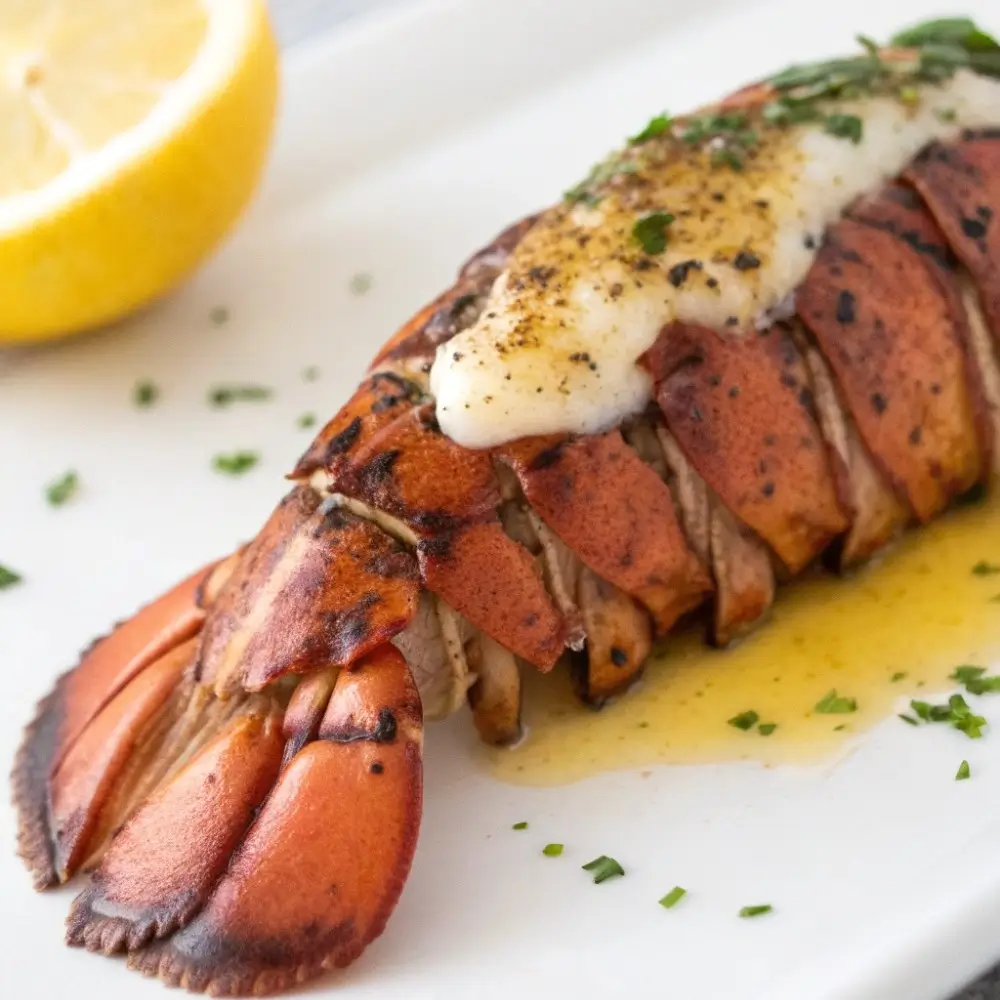
A foolproof method should look good on the plate without extra effort.
Serving tips:
-
Use warm plates
-
Add lemon wedges on the side
-
Garnish lightly with parsley
-
Keep presentation simple
Clean plating reinforces the confidence of the dish.
Side Dishes That Work with This Method
Reliable Vegetable Sides
-
Roasted asparagus
-
Steamed green beans
-
Broccoli with olive oil
-
Sautéed spinach
Simple Starches
-
Mashed potatoes
-
Rice
-
Baked potatoes
-
Polenta
Fresh Additions
-
Mixed green salad
-
Cucumber salad
-
Tomato and herb salad
These sides complement lobster without competing with it.
Common Mistakes This Method Prevents
Overcooking
Clear timing and visual cues prevent toughness.
Underseasoning or Overseasoning
Balanced seasoning enhances without overpowering.
Uneven Cooking
Butterflying ensures consistent heat exposure.
Dry Texture
Butter, oil, and proper temperature protect moisture.
This is why the method works repeatedly.
Adjusting the Method for Different Occasions
This foolproof approach adapts easily.
For weeknights:
-
Serve with one simple side
For guests:
-
Add two sides and garnish lightly
For special occasions:
-
Use larger lobster tails and elegant plating
The core method stays the same.
Storing and Reheating Lobster Tail
Storage
Store leftovers in an airtight container in the refrigerator for up to 2 days.
Reheating Without Ruining Texture
-
Wrap lobster in foil with a little butter
-
Reheat at 300°F in the oven
-
Warm just until heated through
Avoid high heat when reheating.
Nutritional Benefits of Lobster Tail
Lobster tail offers indulgence without heaviness.
Benefits include:
-
High-quality protein
-
Naturally low fat
-
Rich in essential minerals
-
Filling without being rich
This makes it suitable for a wide range of meals.
Frequently Asked Questions
Why does lobster tail sometimes turn rubbery?
Rubbery texture comes from overcooking. This method prevents that by using proper timing and temperature.
Can beginners really use this method?
Yes. Clear steps and visual cues make it ideal for first-time cooks.
Do I need a thermometer?
It helps, but it’s not required if you follow visual doneness signs.
Can I use this method for multiple lobster tails?
Yes. Just make sure they’re similar in size and spaced evenly.
Is butterflying required?
It’s not mandatory, but it greatly improves even cooking and reliability.
What’s the biggest secret to tender lobster?
Cooking it just until opaque and resting it before serving.
Final Thoughts on the Foolproof Lobster Tail Cooking Method
Cooking lobster tail doesn’t have to feel risky or stressful. With a reliable method, clear timing, and simple seasoning, you can achieve tender, juicy lobster every time—no guessing required.
This foolproof lobster tail cooking method is about confidence and consistency. Whether you’re cooking lobster for the first time or refining your technique, this approach removes uncertainty and delivers results you can trust. Once you experience how easy and dependable this method is, lobster tail becomes a dish you’ll reach for again and again.