Contents
- 1 Why High-Fiber Dinners Are Important
- 2 Key Ingredients for High-Fiber Dinners
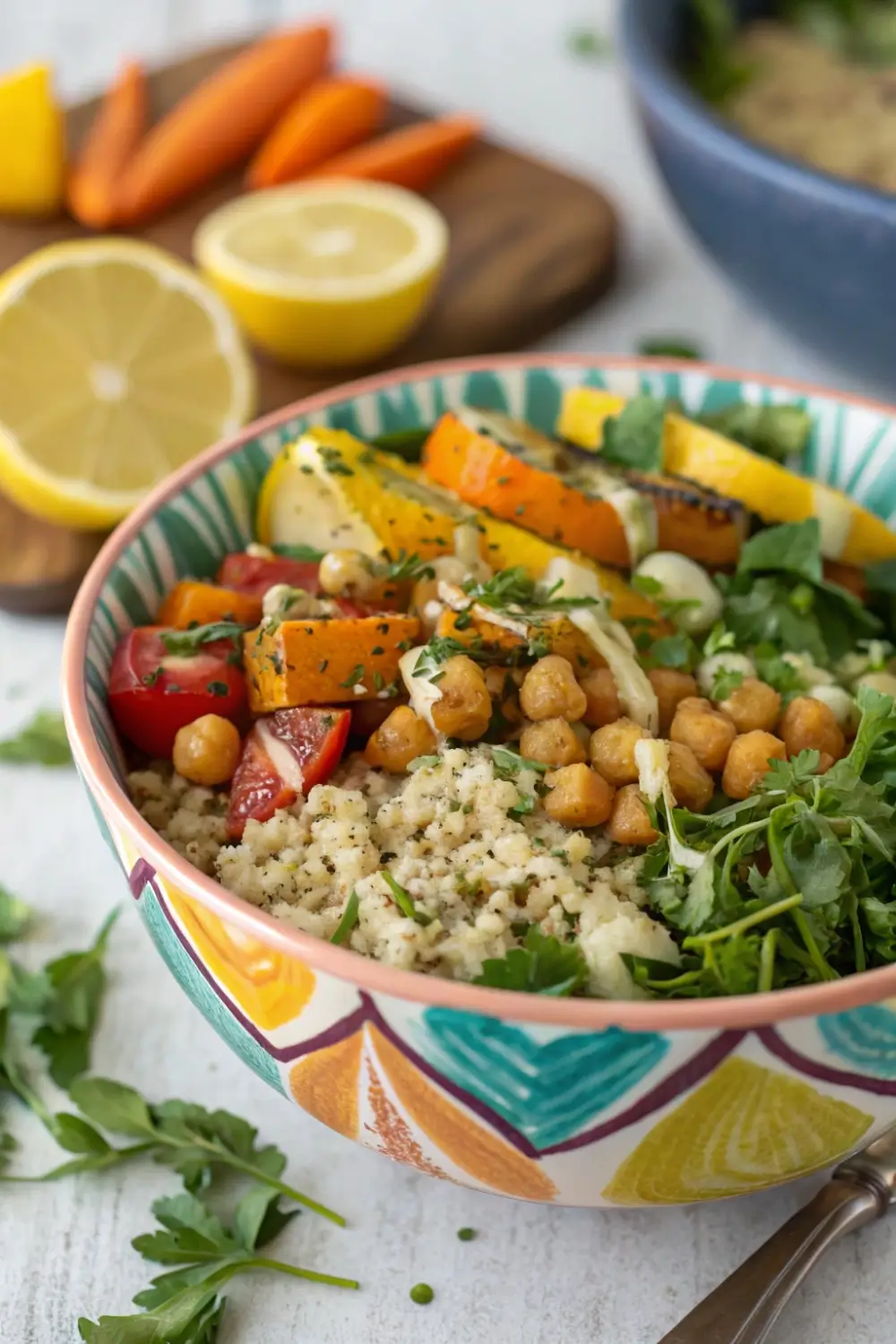
- 3 Recipe 1: Quinoa and Roasted Vegetable Bowl
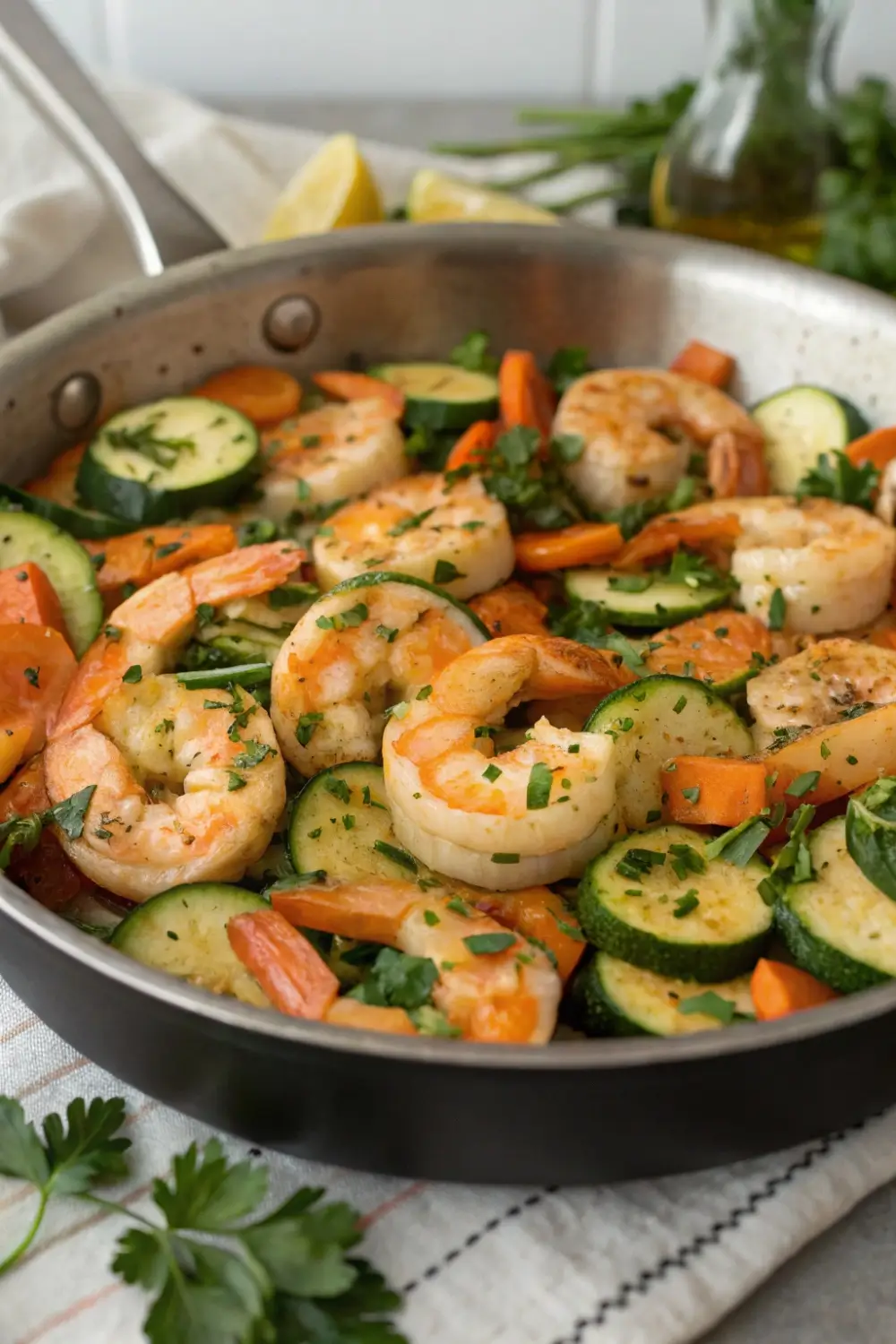
- 4 Recipe 2: Lentil and Vegetable Stir-Fry
- 5 Recipe 3: Black Bean and Sweet Potato Skillet
- 6 Recipe 4: Farro and Kale Salad with Chickpeas
- 7 Recipe 5: Barley and Roasted Vegetable Medley
- 8 Tips for Boosting Fiber in Dinner
- 9 Common Mistakes to Avoid
- 10 Frequently Asked Questions
- 11 High-Fiber Meal Variations
- 12 Meal Prep Strategy for High-Fiber Dinners
- 13 Final Thoughts
Eating dinners rich in fiber isn’t just about digestion—it’s about feeling full, maintaining steady energy, and creating meals that leave you satisfied without overeating. High-fiber healthy dinners focus on vegetables, whole grains, legumes, and plant-forward ingredients to create nourishing meals that are vibrant, flavorful, and easy to prepare. By incorporating fiber-rich foods into your evening routine, you support digestion, maintain healthy blood sugar levels, and enhance overall wellbeing.
These dinners are designed for variety, simplicity, and enjoyment. From hearty grain bowls to vegetable-packed stir-fries, they provide balanced nutrition with a natural emphasis on fiber.
Why High-Fiber Dinners Are Important
Supports Digestion
Fiber promotes healthy bowel movements and gut health, which helps your body process nutrients efficiently.
Enhances Fullness
Fiber-rich foods expand in your stomach, slowing digestion and keeping you satisfied for longer.
Stabilizes Blood Sugar
High-fiber meals help prevent spikes and crashes in blood sugar, supporting steady energy in the evening.
Promotes Heart Health
Fiber can help lower cholesterol levels and support overall cardiovascular health.
Aids Weight Management
Feeling fuller on fewer calories naturally supports balanced eating and weight control.
Key Ingredients for High-Fiber Dinners
Vegetables
-
Broccoli, cauliflower, and Brussels sprouts
-
Carrots, zucchini, and bell peppers
-
Leafy greens like spinach, kale, or Swiss chard
-
Squash, sweet potatoes, and beets
Whole Grains
-
Quinoa
-
Brown rice
-
Barley
-
Bulgur
-
Farro
Legumes and Plant Proteins
-
Lentils
-
Chickpeas
-
Black beans
-
Edamame
-
Tofu
Healthy Fats and Flavor Enhancers
-
Olive oil, avocado, nuts, and seeds
-
Fresh herbs like parsley, cilantro, or basil
-
Lemon, garlic, and spices like cumin, paprika, or turmeric
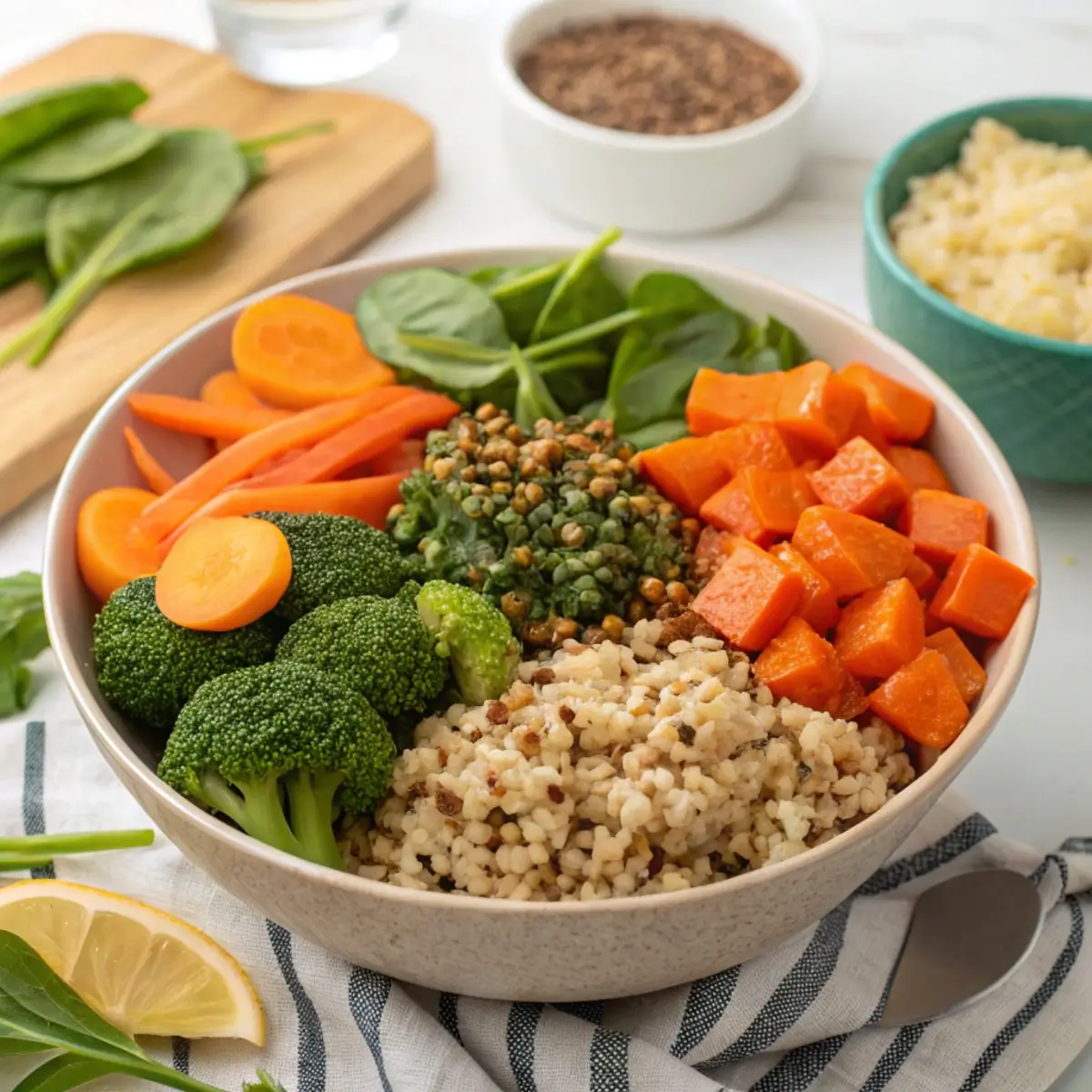
Recipe 1: Quinoa and Roasted Vegetable Bowl
Ingredients
-
1 cup quinoa
-
2 cups broccoli florets
-
1 red bell pepper, sliced
-
1 tablespoon olive oil
-
1 cup cooked chickpeas
Instructions
-
Preheat oven to 400°F (200°C).
-
Toss broccoli and bell pepper with olive oil, salt, and pepper. Roast 15–20 minutes.
-
Cook quinoa according to package instructions.
-
Combine quinoa, roasted vegetables, and chickpeas in a bowl.
-
Drizzle with a little olive oil and sprinkle with fresh herbs. Serve warm.
Recipe 2: Lentil and Vegetable Stir-Fry
Ingredients
-
1 cup cooked green or brown lentils
-
1 zucchini, sliced
-
1 carrot, sliced thinly
-
2 tablespoons olive oil
-
1 teaspoon garlic powder
Instructions
-
Heat olive oil in a skillet over medium heat.
-
Add zucchini and carrot, sautéing until tender.
-
Add cooked lentils and garlic powder, tossing to combine.
-
Cook 2–3 more minutes until heated through.
-
Serve with a sprinkle of chopped parsley or cilantro.
Recipe 3: Black Bean and Sweet Potato Skillet
Ingredients
-
1 cup black beans, cooked
-
1 medium sweet potato, diced
-
1 red bell pepper, diced
-
1 tablespoon olive oil
-
½ teaspoon smoked paprika
Instructions
-
Heat olive oil in a large skillet over medium heat.
-
Add sweet potato and cook 8–10 minutes until slightly tender.
-
Add bell pepper and black beans. Season with smoked paprika and salt.
-
Cook an additional 5–7 minutes until sweet potatoes are soft.
-
Serve hot with a squeeze of fresh lime if desired.
Recipe 4: Farro and Kale Salad with Chickpeas
Ingredients
-
1 cup cooked farro
-
2 cups kale, chopped
-
1 cup cooked chickpeas
-
2 tablespoons olive oil
-
Juice of 1 lemon
Instructions
-
Massage kale with 1 tablespoon olive oil and a pinch of salt until slightly wilted.
-
Combine kale, farro, and chickpeas in a large bowl.
-
Drizzle with remaining olive oil and lemon juice. Toss to combine.
-
Serve warm or chilled.
Recipe 5: Barley and Roasted Vegetable Medley
Ingredients
-
1 cup barley, cooked
-
1 cup zucchini, diced
-
1 cup bell peppers, diced
-
1 tablespoon olive oil
-
1 teaspoon dried oregano
Instructions
-
Preheat oven to 400°F (200°C).
-
Toss zucchini and bell peppers with olive oil and oregano. Roast for 15–20 minutes.
-
Mix roasted vegetables with cooked barley in a serving bowl.
-
Serve with a drizzle of olive oil and a pinch of sea salt.
Tips for Boosting Fiber in Dinner
Add Beans or Legumes
Incorporate lentils, chickpeas, or black beans to any dish for a fiber boost.
Use Whole Grains
Swap refined rice or pasta for quinoa, brown rice, or barley.
Don’t Peel Vegetables
Keeping the skin on carrots, zucchini, or sweet potatoes increases fiber content.
Include Seeds and Nuts
Top salads and bowls with chia seeds, pumpkin seeds, or slivered almonds.
Pair Fiber with Protein
Combining fiber-rich foods with protein keeps you fuller longer.
Common Mistakes to Avoid
Skipping Vegetables
Filling half your plate with vegetables maximizes fiber intake naturally.
Overcooking
Overcooked vegetables lose nutrients and texture. Aim for crisp-tender.
Using Refined Grains
Stick to whole grains to get the fiber benefits.
Neglecting Hydration
Fiber works best when paired with adequate water intake.
Frequently Asked Questions
How much fiber should dinner include?
Aim for 7–10 grams per serving to contribute to the daily recommended 25–30 grams.
Can I make these meals vegetarian or vegan?
Yes—these recipes are plant-forward and naturally suitable for vegetarian and vegan diets.
Can I prep meals in advance?
Absolutely—grains and roasted vegetables store well for several days in the fridge.
How can I increase flavor without extra calories?
Use herbs, spices, citrus, garlic, or a small amount of olive oil instead of high-calorie sauces.
Are these meals good for weight management?
Yes—high-fiber meals promote fullness while being nutrient-dense and moderate in calories.
Can I use frozen vegetables?
Yes—frozen vegetables are a convenient, fiber-rich option. Adjust cooking times slightly.
High-Fiber Meal Variations
-
Chickpea and Spinach Curry: Serve over brown rice or quinoa.
-
Roasted Vegetable & Lentil Bowl: Swap grains for lentils for more fiber.
-
Black Bean and Corn Tacos: Use whole-grain tortillas.
-
Quinoa and Edamame Salad: Add avocado for healthy fats.
-
Barley, Tomato, and Vegetable Soup: Fiber-rich and warming for cooler nights.
Meal Prep Strategy for High-Fiber Dinners
-
Cook Grains in Bulk – Quinoa, farro, and barley keep well for several days.
-
Roast Vegetables Ahead – Store in airtight containers for quick assembly.
-
Prepare Legumes – Cook beans or lentils in advance or use canned varieties.
-
Mix and Match – Combine grains, vegetables, and legumes in different ways to avoid repetition.
-
Add Fresh Toppings Last – Herbs, seeds, or citrus juice enhance flavor and nutrients.
Final Thoughts
High-fiber healthy dinners are a simple, delicious way to stay full, energized, and satisfied in the evenings. By focusing on vegetables, whole grains, and plant-based proteins, you can create meals that are not only nutrient-dense but also flavorful and enjoyable. These recipes are versatile, easy to prepare, and perfect for anyone looking to support digestion, maintain steady energy, and nourish the body without excess calories.
Balanced, fiber-rich meals can transform weeknight dinners into an opportunity to feel energized, satisfied, and healthy. They show that eating well doesn’t need to be complicated—just colorful, simple, and full of wholesome ingredients.