The Ultimate Homemade Cinnamon Rolls:Soft Milk Bread Dough Magic
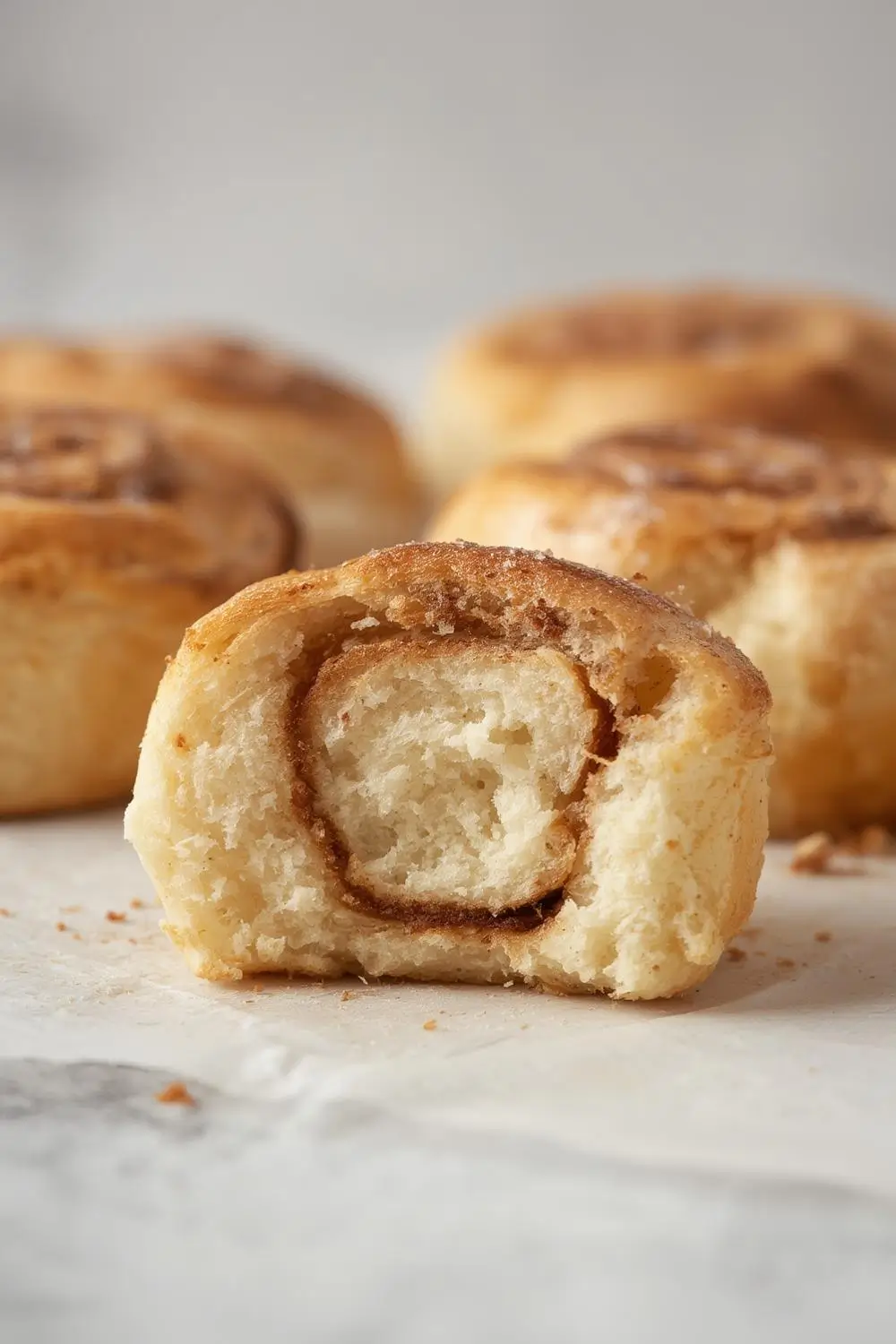
There’s something undeniably magical about the first bite of a truly exceptional cinnamon roll. That moment when the warm, buttery aroma hits you, followed by the tender, pillowy embrace of the dough, the sweet, spiced filling melting into every crevice, and the luxurious cream cheese frosting melting just enough to coat your tongue. It’s pure comfort, pure indulgence, and something you can absolutely master right in your own kitchen. Forget the dry, dense rolls from the bakery case; today, we’re diving deep into creating cinnamon rolls that are soft, pillowy, and stay delightfully fresh for days – all thanks to a secret weapon: soft milk bread dough.
This isn’t just any cinnamon roll recipe. It’s a journey into the heart of what makes Japanese milk bread so beloved worldwide – that incredible softness, that incredible chew, that incredible ability to stay fresh. By harnessing the power of a simple, enriched milk bread dough, we transform the humble cinnamon roll into something extraordinary. The result? Rolls so tender they practically dissolve in your mouth, with a texture that lingers long after the last bite. And the best part? This dough is surprisingly straightforward to make, even for baking beginners. Let’s unlock the secrets to cinnamon roll perfection.
Why Milk Bread Dough is the Game-Changer
Traditional cinnamon roll dough often relies on a simple mix of flour, yeast, sugar, salt, and butter. While delicious, it can sometimes lack that specific, melt-in-your-mouth quality. Milk bread dough, however, is a different beast. It’s enriched with milk (or buttermilk), often includes a small amount of oil or egg for extra tenderness, and crucially, uses a technique called the tangzhong method (or water roux method). This involves cooking a portion of the flour and liquid into a thick paste before adding it to the final dough. This paste acts like a moisture reservoir, locking in hydration and dramatically improving the dough’s softness, shelf life, and ability to rise beautifully. The result is a dough that’s incredibly pliable, forgiving, and yields rolls that stay soft for days, resisting the dreaded staling that plagues many homemade versions.
Your Journey to Cinnamon Roll Bliss
This recipe is designed with you in mind. It’s detailed, it’s encouraging, and it breaks down every step so you feel confident and excited. We’ll cover everything: the science behind the soft dough, the art of rolling and filling, the perfect bake, and even how to store your creations so you can enjoy them long after they come out of the oven. Whether you’re a seasoned baker looking to elevate your game or a complete novice taking your first steps into the world of yeast baking, this guide has you covered. Let’s get started on creating cinnamon rolls that will become your new favorite weekend treat.
The Heart of the Matter: Ingredients Explained
The beauty of this recipe lies in its simplicity and the power of quality ingredients. Here’s what you’ll need, with a little insight into why each one matters:
All-Purpose Flour (or Bread Flour): This is the foundation. All-purpose flour works wonderfully, but bread flour, with its higher protein content, will give you slightly more structure and chew, which can be nice. For the absolute softest rolls, all-purpose is perfectly fine. Tip: Sifting your flour before measuring ensures accuracy and removes lumps.*
- Whole Milk (or Buttermilk): Milk adds richness, tenderness, and a beautiful golden color. Buttermilk adds a subtle tang and extra tenderness. Warm milk (around 105-110°F / 40-43°C) is crucial for activating the yeast effectively.
- Instant Dry Yeast: This is your rising hero. Instant yeast can be mixed directly with the dry ingredients, making the process slightly easier. It’s fast-acting and reliable.
- Granulated Sugar: Not just for sweetness! Sugar feeds the yeast, helping it produce the gases that make the dough rise. It also contributes to browning and tenderness.
- Salt: Essential for flavor balance. It also strengthens the gluten slightly, helping the dough hold its shape.
- Large Egg (Room Temperature): Adds richness, color, structure, and helps the dough rise beautifully. Room temperature eggs incorporate more easily.
- Unsalted Butter (Room Temperature): The star of the filling and a key flavor component. Softened butter blends easily into the dough and the filling. Tip: Ensure your butter is soft enough to cream easily but not melted.*
- Unsalted Butter (Cold, for Rolling): Used to generously grease the bowl and the baking pan, ensuring your rolls don’t stick and release perfectly.
- Brown Sugar (Light or Dark): For the filling. Brown sugar adds deeper molasses notes and moisture compared to white sugar, contributing to the rolls’ caramel-like flavor and keeping them soft.
- Ground Cinnamon: The classic spice. Use a high-quality brand for the best flavor.
- Cream Cheese (Full-Fat, Room Temperature): The base for the frosting. Full-fat cream cheese gives the creamiest, richest texture. Room temperature ensures it blends smoothly.
- Powdered Sugar (Confectioners’ Sugar): Sweetens the frosting and gives it that perfect, silky smooth consistency. Sift it before using to avoid lumps.
- Vanilla Extract: Enhances all the other flavors beautifully.
- Salt (for Frosting): A tiny pinch balances the sweetness perfectly.
The Tangzhong Method: Your Secret Weapon
This is where the magic happens. The tangzhong (pronounced “tan-jong”) is a cooked flour-water paste that acts as a moisture magnet. Here’s how to make it:
1. Combine: In a small saucepan, whisk together 3 tablespoons (25g) of the all-purpose flour and 1/2 cup (120ml) of the warm milk.
2. Cook: Cook over medium heat, whisking constantly, until the mixture thickens significantly and forms a smooth, pudding-like paste. This usually takes 1-3 minutes. It will start to look glossy and pull away from the sides of the pan. Crucially, it should be thick enough to hold its shape when you lift the whisk.
3. Cool: Transfer the tangzhong to a clean bowl and let it cool completely to room temperature. This is vital – adding hot tangzhong to your dough can kill the yeast. Cooling it also allows the starches to fully hydrate, maximizing its moisture-retaining power.
The Dough: Mixing and Kneading
Now, let’s bring it all together:
1. Combine Dry Ingredients: In the bowl of your stand mixer (or a large bowl if kneading by hand), whisk together the remaining 2 1/2 cups (315g) of flour, the instant yeast, and the salt.
2. Add Wet Ingredients: Pour in the warm milk, the tangzhong (cooled!), the egg, and the softened butter. Mix on low speed (or stir with a wooden spoon) until a shaggy dough forms.
3. Knead: If using a stand mixer, switch to the dough hook and knead on medium-low speed for about 8-10 minutes. If kneading by hand, turn the dough out onto a lightly floured surface and knead vigorously for 10-15 minutes. The dough is ready when it becomes smooth, elastic, and springs back when you gently poke it. It should be slightly tacky but not sticky.
4. First Rise: Lightly grease a large bowl with the cold butter. Place the dough ball in the bowl, turning it once to coat it lightly with butter. Cover the bowl tightly with plastic wrap or a damp kitchen towel. Let it rise in a warm, draft-free spot until doubled in size, about 1 to 1.5 hours. Tip: A turned-off oven with the light on is often a perfect warm spot.
Rolling, Filling, and Cutting: The Fun Part
1. Prepare the Filling: In a small bowl, combine the brown sugar, cinnamon, and a pinch of salt. Set aside.
2. Shape the Dough: Once risen, gently punch down the dough to release air bubbles. Turn it out onto a lightly floured surface. Roll it out into a large rectangle, roughly 12×18 inches (30×45 cm). Aim for an even thickness, about 1/4 inch (6mm).
3. Spread the Butter: Using an offset spatula or the back of a spoon, spread the remaining softened butter evenly over the entire surface of the dough, leaving a small border around the edges.
4. Add the Cinnamon Sugar: Sprinkle the cinnamon sugar mixture evenly over the buttered dough.
5. Roll it Up: Starting from the long edge closest to you, carefully roll the dough up tightly into a log. Pinch the seam gently to seal it.
6. Cut the Rolls: Using a sharp knife or dental floss (for cleaner cuts), slice the log into 12 equal pieces (about 1.5 inches thick each). Place the rolls cut-side up in a lightly greased 9×13 inch baking pan, leaving a little space between them.
7. Second Rise: Cover the pan loosely with plastic wrap or a towel and let the rolls rise again in a warm spot until they look puffy and have nearly doubled in size, about 30-45 minutes. Tip: They should look noticeably larger and the edges should be touching.
Baking: Achieving Golden Perfection
1. Preheat: While the rolls are rising, preheat your oven to 350°F (175°C).
2. Bake: Uncover the rolls and bake for 25-30 minutes, or until the tops are a deep golden brown and the rolls are cooked through. A thermometer inserted into the center of a roll should read around 190-195°F (88-90°C). Tip: If the tops brown too quickly, tent them loosely with foil for the last 10 minutes.
3. Cool Slightly: Remove the pan from the oven and let the rolls cool in the pan for at least 10-15 minutes. This allows them to set slightly and makes them easier to handle.
The Cream Cheese Frosting: The Perfect Finish
While the rolls cool, make the frosting:
1. Beat the Cream Cheese: In a medium bowl, beat the softened cream cheese with an electric mixer on medium speed until smooth and creamy, about 1-2 minutes.
2. Add Butter and Vanilla: Add the softened butter and vanilla extract. Beat until fully combined and smooth.
3. Sift in Sugar: Gradually add the sifted powdered sugar, beating on low speed until incorporated. Increase speed to medium and beat for another minute until the frosting is light, fluffy, and spreadable. Add a tiny pinch of salt if desired.
4. Frost: Once the rolls are cool enough to handle (but still warm), spread or drizzle the frosting generously over the tops. The warmth of the rolls will help the frosting melt slightly and create that perfect, glossy finish.
Variations and Substitutions: Making it Your Own
- Different Fillings: Swap the cinnamon sugar for a chocolate-hazelnut spread (like Nutella), a simple brown sugar and butter filling, or even a lemon zest and sugar filling. For a savory twist, try a garlic and herb butter filling.
- Different Frostings: Instead of cream cheese frosting, try a simple vanilla glaze (powdered sugar + milk + vanilla) or a maple glaze. For a richer option, use a brown butter frosting.
- Whole Wheat Flour: Substitute up to 1 cup (120g) of the all-purpose flour with whole wheat flour for a nuttier flavor and added fiber. The rolls will be slightly denser.
- Milk Alternatives: You can use unsweetened almond milk, soy milk, or oat milk in place of whole milk. Ensure it’s warmed to the correct temperature.
- Egg Substitute: For an egg-free version, use 1/4 cup (60ml) of unsweetened applesauce or mashed banana in place of the egg. The texture may be slightly different.
- Larger Rolls: For larger, more decadent rolls, divide the dough into 9 pieces instead of 12.
Storage and Reheating: Keeping the Magic Alive
- Cooling: Allow the rolls to cool completely on a wire rack before storing. This prevents condensation and sogginess.
- Airtight Container: Store the completely cooled rolls in an airtight container at room temperature for up to 2 days. They will stay incredibly soft.
- Refrigeration: For longer storage (up to 4 days), refrigerate the rolls in an airtight container. They may firm up slightly.
- Reheating: To reheat, place a roll on a microwave-safe plate and heat for 15-20 seconds for a quick warm-up. For a more traditional approach, wrap a roll in foil and bake in a preheated 350°F (175°C) oven for 8-10 minutes. This gently warms them without drying them out. You can also reheat from frozen – just add 1-2 minutes to the microwave time or 15-20 minutes to the oven time.
Common Mistakes to Avoid: Mastering the Process
- Water Too Hot: Killing the yeast is a common pitfall. Ensure your milk is warm, not hot (105-110°F / 40-43°C).
- Over-Kneading: While kneading is important, over-kneading can make the dough tough. Knead just until smooth and elastic.
- Under-Kneading: Under-kneaded dough won’t rise properly and will be dense. Ensure the dough passes the windowpane test (stretching thin without tearing).
- Skipping the Tangzhong: Skipping this step means missing out on the rolls’ signature softness and extended freshness.
- Over-Filling: Too much filling can cause the rolls to leak and make them harder to slice neatly. Spread it evenly but not excessively.
- Rushing the Rise: Allow the dough sufficient time to rise. Cold environments will slow it down significantly.
- Frosting Too Warm: Applying frosting to rolls that are still piping hot will cause it to melt and slide off. Wait until they are just warm.
- Using Expired Yeast: Old yeast won’t activate properly. Check the expiration date and proof it if unsure (mix with warm water and a pinch of sugar; it should foam).
Frequently Asked Questions: Your Quick Reference
1. Can I make these ahead of time? Absolutely! You can prepare the dough through the first rise, shape the rolls, and let them rise in the pan overnight in the refrigerator. In the morning, let them come to room temperature for about 30 minutes before baking. You can also bake them, cool completely, and freeze them for up to 3 months. Thaw overnight in the fridge and reheat gently.
2. My dough didn’t rise. What happened? Check your yeast expiration date and proofing it. Ensure your milk wasn’t too hot. The environment might be too cold. Warm it up slightly. Also, ensure you didn’t over-knead, which can damage the gluten structure needed for rising.
3. My rolls are dry. This usually happens if they were overbaked or stored incorrectly. Ensure you bake them until just golden brown (not dark brown). Store them in an airtight container at room temperature. Refrigeration can dry them out faster.
4. Can I use a bread machine? Yes! Add all ingredients except the butter to the bread machine pan in the order recommended by your machine’s manual. Select the dough cycle. Once the cycle finishes, proceed with shaping, rising, and baking as directed.
5. Can I freeze the unbaked rolls? Yes! After shaping and placing them in the pan, cover the pan tightly with plastic wrap and foil. Freeze for up to 1 month. When ready to bake, thaw the pan overnight in the refrigerator. Remove from the fridge, let the rolls come to room temperature (about 30 minutes), then bake as directed, adding 5-10 minutes to the baking time.
6. My frosting is too thick. Beat in a teaspoon or two of milk or cream until it reaches the desired spreading consistency.
7. My frosting is too thin. Beat in a little more sifted powdered sugar until it thickens up.
8. Can I make these without a stand mixer? Yes! You can knead the dough by hand on a lightly floured surface for about 10-15 minutes until smooth and elastic. It requires a bit more effort but is entirely feasible.
The Final Touch: A Warm Embrace
There you have it – the blueprint for creating cinnamon rolls that are nothing short of extraordinary. Soft, pillowy, infused with the perfect balance of sweet and spice, and blessed with an incredible shelf life, all thanks to the magic of milk bread dough. This recipe is more than just instructions; it’s an invitation to experience the joy of baking something truly special. The process, from the comforting warmth of the tangzhong to the satisfying snap of the roll as you bite into it, is a journey worth taking. So, gather your ingredients, set aside some time, and prepare to be rewarded with cinnamon rolls that will become the star of your kitchen and the envy of everyone who tastes them. Enjoy the process, embrace the warmth, and savor every single, melt-in-your-mouth bite. Happy baking!