Contents
- 1 Lobster Tail with Simple Seasoning That Shines
- 2 Why Simple Seasoning Works Best for Lobster Tail
- 3 Understanding the Natural Flavor of Lobster
- 4 What Makes This Recipe a Go-To Favorite
- 5 Ingredients for Lobster Tail with Simple Seasoning
- 6 Choosing Lobster Tails That Shine on Their Own
- 7 Thawing Lobster Tails Properly
- 8 Preparing Lobster Tail the Simple Way
- 9 Simple Seasoning That Enhances, Not Hides
- 10 Baking Lobster Tail with Confidence
- 11 How to Tell When Lobster Is Perfectly Cooked
- 12 Resting Lobster Tail Before Serving
- 13 Serving Lobster Tail with Simple Seasoning
- 14 Side Dishes That Complement Simple Lobster Tail
- 15 When Simple Seasoning Is the Best Choice
- 16 Common Mistakes That Overpower Lobster Flavor
- 17 Storing and Reheating Lobster Tail
- 18 Nutritional Benefits of Simply Seasoned Lobster Tail
- 19 Frequently Asked Questions
- 20 Final Thoughts on Lobster Tail with Simple Seasoning
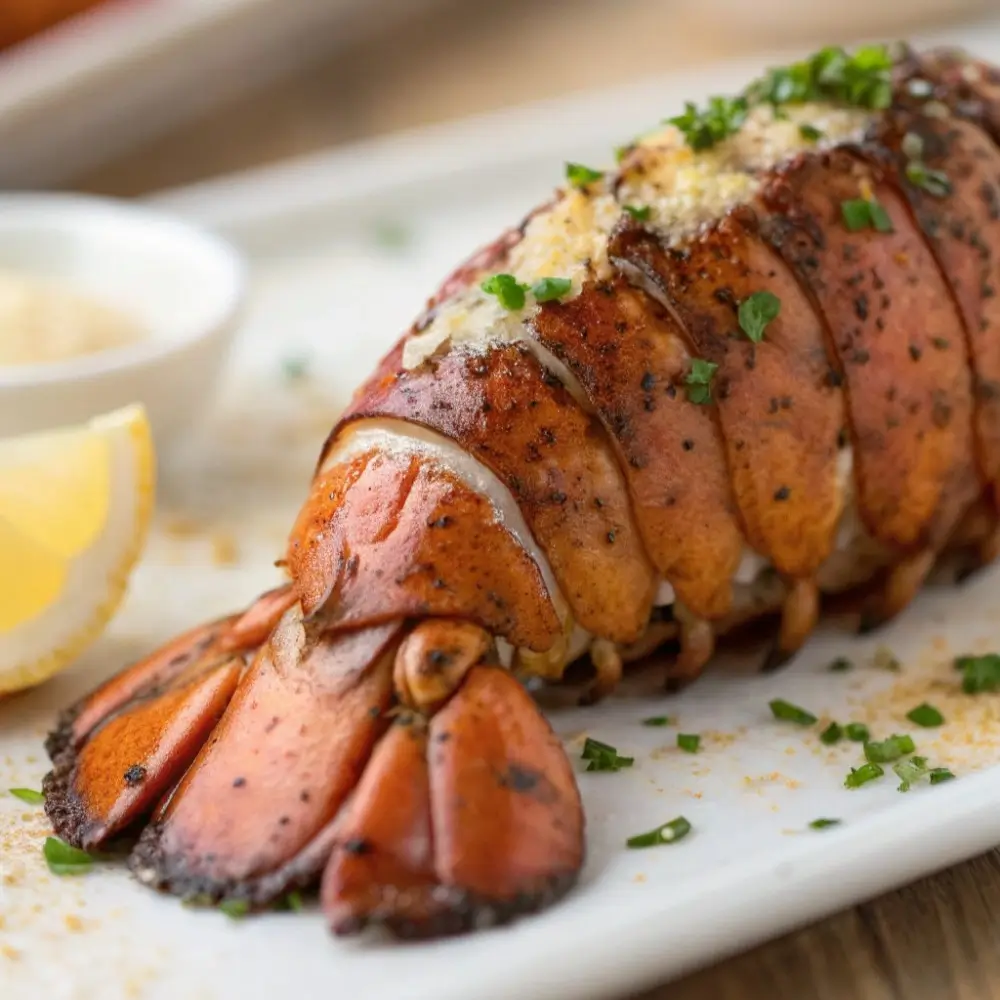
Lobster Tail with Simple Seasoning That Shines
Sometimes the most memorable meals are the ones that don’t try too hard. Lobster tail is a perfect example of an ingredient that doesn’t need layers of seasoning or complicated techniques to shine. Its natural sweetness, tender texture, and clean ocean flavor are already enough—when treated with care.
This lobster tail recipe with simple seasoning is all about restraint and confidence. Instead of masking the lobster with bold flavors, it uses just enough seasoning to enhance what’s already there. The result is a dish that feels elegant, balanced, and deeply satisfying without being heavy or overwhelming.
Whether you’re cooking lobster for the first time or returning to a more classic approach, this recipe proves that less truly can be more.
Why Simple Seasoning Works Best for Lobster Tail
Lobster tail has a naturally sweet, delicate flavor that can easily be lost under aggressive seasoning. While spices and sauces have their place, lobster is at its best when allowed to speak for itself.
Simple seasoning works because it:
-
Highlights the lobster’s natural sweetness
-
Preserves the clean, fresh flavor
-
Keeps the texture tender and juicy
-
Feels refined rather than busy
-
Makes the dish versatile for many occasions
This approach respects the ingredient and delivers consistent results.
Understanding the Natural Flavor of Lobster
Lobster meat is subtly sweet with a clean, slightly briny finish. Its flavor is mild compared to other seafood, which is why it pairs so well with butter, citrus, and gentle seasoning.
Over-seasoning lobster can:
-
Mask its natural sweetness
-
Create bitterness
-
Make the dish feel heavy
-
Distract from the texture
This recipe is built around protecting and enhancing that natural flavor instead of competing with it.
What Makes This Recipe a Go-To Favorite
This lobster tail with simple seasoning isn’t just about taste—it’s about reliability. It’s the kind of recipe you can return to again and again because it works in so many situations.
Reasons this recipe stands out:
-
Short ingredient list
-
Easy preparation
-
Predictable cooking time
-
Clean, elegant results
-
Suitable for weeknights or special meals
It’s simple enough for everyday cooking and refined enough for meaningful moments.
Ingredients for Lobster Tail with Simple Seasoning
Main Ingredients
-
Lobster tails, 4 to 8 ounces each
-
Unsalted butter, melted
-
Olive oil
-
Fresh lemon juice
-
Salt
-
Black pepper
-
Paprika (optional, for color)
Optional Finishing Touches
-
Fresh parsley
-
Lemon wedges
Each ingredient has a purpose, and none are unnecessary. Together, they create balance rather than complexity.
Choosing Lobster Tails That Shine on Their Own
Fresh or Frozen Lobster Tails
Both fresh and frozen lobster tails work beautifully with simple seasoning. Frozen lobster tails are often more accessible and consistent, making them a practical choice.
When selecting lobster tails:
-
Look for firm shells
-
Avoid strong odors
-
Choose evenly sized tails
-
Avoid excessive ice buildup on frozen tails
Quality lobster needs very little help to taste great.
Thawing Lobster Tails Properly
Proper thawing ensures even cooking and preserves texture.
Best method:
-
Thaw lobster tails in the refrigerator overnight
-
Keep them covered or sealed
-
Pat dry before seasoning
Slow thawing keeps the meat firm and prevents moisture loss during baking.
Preparing Lobster Tail the Simple Way
Cleaning the Lobster Tails
Rinse lobster tails briefly under cold water and pat them dry. This helps seasoning adhere and prevents excess moisture in the oven.
Butterflying for Even Cooking
Butterflying helps the lobster cook evenly and improves presentation.
Steps:
-
Use kitchen scissors to cut down the top of the shell
-
Stop before cutting through the tail fin
-
Gently loosen the meat from the shell
-
Lift the meat and rest it on top
This step is optional but recommended for best results.
Simple Seasoning That Enhances, Not Hides
The seasoning for this recipe is intentionally minimal.
In a small bowl, combine:
-
Melted butter
-
Olive oil
-
Fresh lemon juice
-
Salt
-
Black pepper
-
Paprika (if using)
Brush the mixture lightly over the lobster meat. The goal is a thin, even coating—not a heavy layer. Butter adds richness, lemon adds brightness, and salt brings everything together.
Baking Lobster Tail with Confidence
Ideal Oven Temperature
Preheat the oven to 425°F (220°C). This temperature allows lobster to cook quickly while staying tender.
Baking Time Guidelines
Place lobster tails on a baking sheet or oven-safe dish.
General timing:
-
4-ounce tails: 10–11 minutes
-
5-ounce tails: 11–12 minutes
-
6-ounce tails: 12–13 minutes
-
8-ounce tails: 15–16 minutes
Check early rather than late to avoid overcooking.
How to Tell When Lobster Is Perfectly Cooked
With simple seasoning, texture matters even more.
Perfectly cooked lobster tail:
-
Turns opaque white
-
Feels firm but tender
-
Has a moist, glossy appearance
-
Pulls apart easily with a fork
An internal temperature of about 140°F–145°F indicates doneness.
Resting Lobster Tail Before Serving
Let lobster tails rest for 2 to 3 minutes after baking. This allows juices to redistribute, improving moisture and flavor.
This small step keeps the lobster juicy and balanced.
Serving Lobster Tail with Simple Seasoning
Presentation should match the simplicity of the seasoning.
Serving tips:
-
Use warm plates
-
Add lemon wedges on the side
-
Garnish lightly with parsley if desired
-
Avoid heavy sauces
Let the lobster remain the focus of the plate.
Side Dishes That Complement Simple Lobster Tail
Clean Vegetable Pairings
-
Steamed asparagus
-
Roasted green beans
-
Sautéed spinach
-
Broccoli with olive oil
Mild Starch Options
-
Rice
-
Mashed potatoes
-
Baked potatoes
-
Creamy polenta
Fresh Salads
-
Mixed greens with lemon dressing
-
Cucumber salad
-
Tomato and arugula salad
Choose sides that support the lobster without overpowering it.
When Simple Seasoning Is the Best Choice
This recipe is ideal for:
-
First-time lobster cooks
-
Weeknight dinners
-
Elegant but relaxed meals
-
Hosting guests with different tastes
-
Letting high-quality ingredients shine
It’s a dependable option when you want clarity and balance.
Common Mistakes That Overpower Lobster Flavor
Too Much Salt
Lobster doesn’t need much—season lightly.
Heavy Spices
Strong spices mask the natural sweetness.
Overcooking
Even perfect seasoning can’t fix dry lobster.
Too Many Add-ons
Keep the plate simple and focused.
Avoiding these mistakes lets the lobster shine naturally.
Storing and Reheating Lobster Tail
Storage
Store leftover lobster in an airtight container in the refrigerator for up to 2 days.
Reheating Gently
-
Wrap lobster in foil with a little butter
-
Reheat in the oven at 300°F
-
Warm just until heated through
Gentle reheating preserves flavor and texture.
Nutritional Benefits of Simply Seasoned Lobster Tail
Lobster tail prepared with simple seasoning is both satisfying and balanced.
Benefits include:
-
High-quality protein
-
Low fat content
-
Rich in essential minerals
-
Naturally filling without heaviness
Simple preparation keeps it wholesome and enjoyable.
Frequently Asked Questions
Why is simple seasoning better for lobster tail?
It highlights the lobster’s natural sweetness instead of covering it up.
Can I add garlic to this recipe?
You can, but keep it minimal so it doesn’t overpower the lobster.
How many lobster tails per person?
One medium lobster tail per person works well with sides.
Can I prepare lobster tails ahead of time?
You can butterfly them a few hours ahead and season just before baking.
How do I avoid dry lobster?
Use butter, avoid overcooking, and let it rest after baking.
Is this recipe good for beginners?
Yes. Simple seasoning and clear cooking cues make it very beginner-friendly.
Final Thoughts on Lobster Tail with Simple Seasoning
Lobster tail with simple seasoning proves that great cooking doesn’t require complexity. By focusing on quality ingredients, gentle seasoning, and proper technique, you can create a dish that feels refined, balanced, and deeply satisfying.
This recipe is a reminder that sometimes the best way to honor an ingredient is to step back and let it shine. Whether you’re cooking for yourself, your family, or guests, this lobster tail recipe delivers clean flavor, tender texture, and timeless appeal—without unnecessary effort.