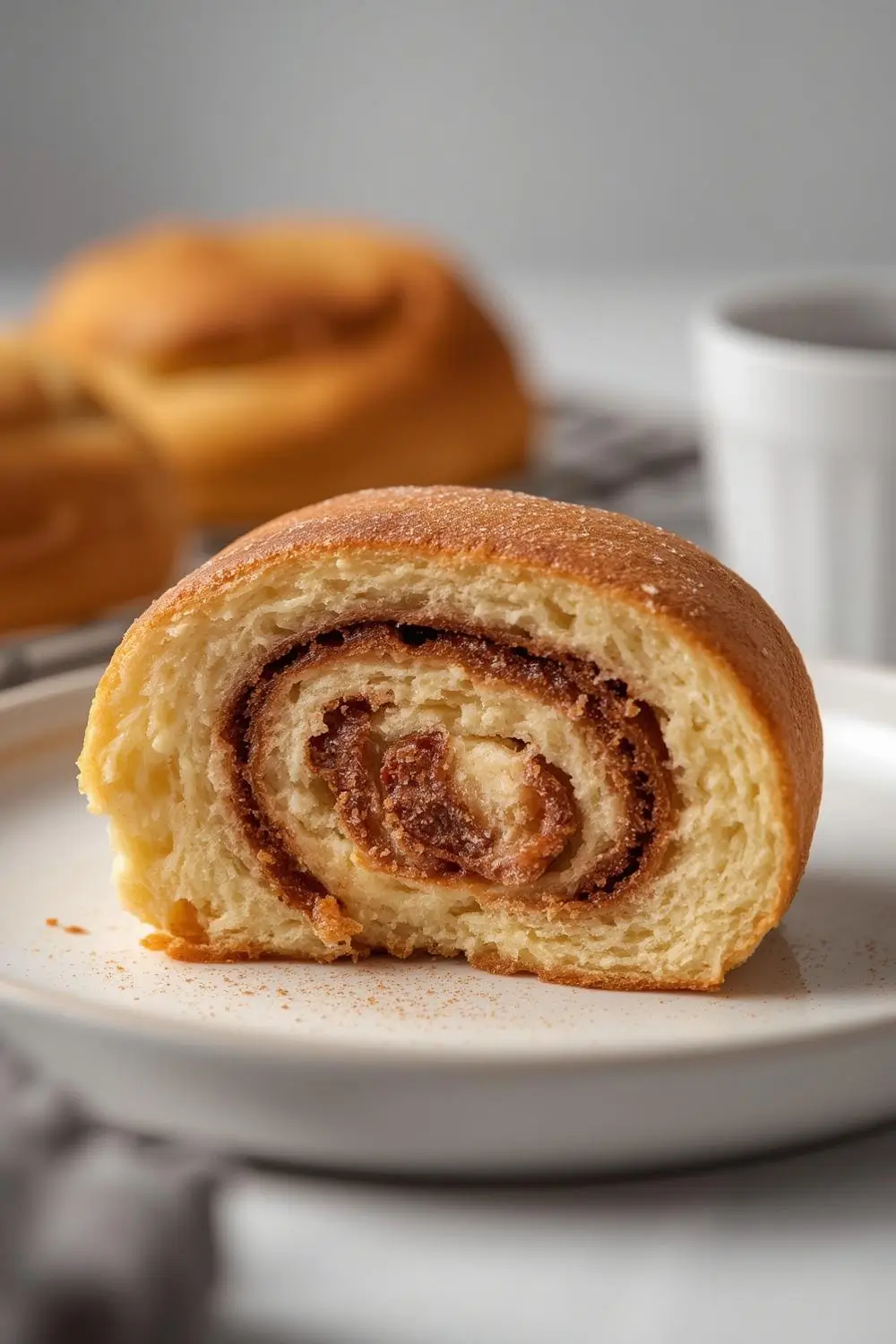
There’s something undeniably magical about the first bite of a truly exceptional cinnamon roll. That moment when the warm, pillowy dough gives way to reveal a cascade of molten cinnamon sugar filling, melting into a rich, buttery embrace. Forget the dense, dry versions you might have encountered; this recipe unlocks the secret to cinnamon rolls so tender, they practically melt in your mouth with every single bite. Imagine layers upon layers of soft, buttery dough, generously packed with a decadent cinnamon sugar filling that oozes out with each slice. These aren’t just rolls; they’re a celebration of pure, unadulterated cinnamon roll perfection, designed to become your new weekend obsession.
The magic lies in the technique and the ingredients. We start with a rich, slightly enriched dough that builds incredible tenderness. The key? A touch of extra fat (butter, of course!) and a careful balance of liquids. This dough isn’t just about structure; it’s about creating that luxurious, cloud-like texture that defines the best cinnamon rolls. Then comes the star: the filling. We’re not holding back here. Double the cinnamon, double the sugar, and add a generous splash of pure vanilla extract to elevate the flavor profile. This isn’t just a filling; it’s a flavor bomb, promising gooey, aromatic swirls in every single bite. The result? Cinnamon rolls that are incredibly tender, deeply flavorful, and utterly irresistible.
This recipe is crafted with the home baker in mind. Whether you’re a seasoned pro or a complete novice, the instructions are clear, detailed, and designed to guide you effortlessly through the process. You’ll learn the subtle art of kneading just enough to develop the gluten without overworking the dough, the importance of a proper rise, and the tricks to achieving those perfect, golden-brown tops. We’ll cover everything from mixing and kneading to shaping, rising, baking, and even how to store and reheat your creations so they stay as delicious as the day they came out of the oven. Plus, we’ll explore variations and substitutions, ensuring you can customize these rolls to suit your taste or dietary needs. Let’s dive into creating cinnamon roll nirvana.
Ingredients: The Building Blocks of Bliss
The quality of your ingredients truly shines through in the final product. Here’s what you’ll need for the dough and the filling, with explanations for why each component matters:
For the Dough:
- 2 ¼ teaspoons (1 standard packet) Active Dry Yeast: The leavening agent that makes your rolls rise. Ensure it’s fresh for best results.
- ¾ cup (180ml) Warm Whole Milk (110-115°F / 43-46°C): Warm enough to activate the yeast but not so hot it kills it. Whole milk adds richness and tenderness.
- ¼ cup (50g) Granulated Sugar: Feeds the yeast and adds sweetness. A touch of sugar also helps with browning.
- ¼ cup (57g) Unsalted Butter, melted and slightly cooled: This is crucial for tenderness and flavor. Don’t skip it!
- 1 large Egg, at room temperature: Adds richness, structure, and helps with browning.
- 1 teaspoon Salt: Balances the sweetness and enhances all the other flavors.
- 4 ½ to 5 cups (560-625g) All-Purpose Flour (or Bread Flour): The structure. Bread flour gives a slightly chewier texture; all-purpose is fine. Start with 4 ½ cups and add more as needed.
- ¼ cup (57g) Unsalted Butter, softened: For brushing the dough and adding extra richness before baking.
For the Filling:
- ¾ cup (150g) Granulated Sugar: Sweetness base.
- 2 tablespoons Ground Cinnamon: The heart of the flavor. Use high-quality cinnamon for the best taste.
- ¼ cup (60ml) Unsalted Butter, melted: Creates that signature gooey, buttery swirl. Essential for richness.
- 1 teaspoon Pure Vanilla Extract: Elevates the cinnamon flavor beautifully.
- ¼ teaspoon Salt: Enhances the sweetness and cinnamon.
For the Glaze (Optional but Recommended):
- 1 cup (120g) Powdered Sugar (Confectioners’ Sugar): For a classic, sweet finish.
- 2-3 tablespoons Milk or Heavy Cream: To reach the desired drizzling consistency.
- 1/2 teaspoon Pure Vanilla Extract: For extra flavor.
- Pinch of Salt: Balances the sweetness.
Equipment You’ll Need:
- Large Mixing Bowl
- Stand Mixer with Dough Hook (or a large bowl and sturdy spoon/strong arms!)
- Clean Kitchen Towel or Plastic Wrap
- Rolling Pin
- Sharp Knife or Dental Floss (for clean cuts)
- 9-inch or 10-inch Round Baking Pan or Square Baking Dish
- Wire Cooling Rack
Step-by-Step Instructions: From Bowl to Bliss
1. Activate the Yeast: In your large mixing bowl, combine the warm milk, 1 tablespoon of the granulated sugar, and the active dry yeast. Stir gently and let it sit for 5-10 minutes until it becomes foamy and fragrant. This confirms the yeast is active.
2. Combine Wet Ingredients: Add the melted butter, room-temperature egg, and salt to the yeast mixture. Whisk until well combined.
3. Incorporate the Flour: Gradually add 4 ½ cups of the flour to the wet ingredients, mixing with the dough hook on low speed or stirring with a spoon. Mix until a shaggy dough forms and most of the flour is incorporated. The dough will be sticky.
4. Knead for Tenderness: If using a stand mixer, switch to the dough hook and knead on medium-low speed for about 8-10 minutes. If kneading by hand, turn the dough out onto a lightly floured surface and knead vigorously for 8-10 minutes. The dough should become smooth, elastic, and slightly tacky but not sticky. Add small amounts of the remaining flour (up to ½ cup) only if absolutely necessary to prevent sticking during kneading. Over-flouring makes tough rolls.
5. First Rise (Bulk Fermentation): Lightly grease a clean bowl with a little oil. Place the kneaded dough ball in the bowl, turning it once to coat it lightly with oil. Cover the bowl tightly with plastic wrap or a damp kitchen towel. Let it rise in a warm, draft-free spot until doubled in size, about 1 to 1.5 hours. The dough should look puffy and spring back slowly when gently poked.
6. Prepare the Filling: While the dough rises, make the filling. In a small bowl, whisk together the granulated sugar, ground cinnamon, melted butter, vanilla extract, and salt until smooth and well combined. Set aside.
7. Shape the Rolls: Once the dough has doubled, punch it down gently to release the air. Turn it out onto a lightly floured surface. Roll the dough into a large rectangle, roughly 18×24 inches. Aim for an even thickness, about ¼ to ½ inch thick.
8. Spread the Filling: Using a spatula or the back of a spoon, spread the cinnamon sugar filling evenly over the entire surface of the rolled dough, leaving a small border (about ½ inch) along one of the longer edges. This border helps seal the roll.
9. Roll Up the Dough: Starting from the long edge opposite the border, carefully roll the dough tightly into a log. Pinch the seam firmly to seal. The filling should be completely enclosed.
10. Cut the Rolls: Using a sharp knife or a piece of unflavored dental floss (great for clean cuts), slice the log into 12 equal pieces (about 1.5-2 inches thick). Place the rolls cut-side up in the prepared baking pan, leaving a little space between them for expansion.
11. Second Rise (Proofing): Cover the pan loosely with plastic wrap or a damp towel. Let the rolls rise again in a warm spot until they are noticeably puffy and have nearly doubled in size, about 30-45 minutes. They should look very soft and full.
12. Preheat and Bake: While the rolls rise, preheat your oven to 350°F (175°C). Place the pan in the center of the oven.
13. Bake to Golden Perfection: Bake the rolls for 25-35 minutes, or until they are deeply golden brown on top and the edges look set. The internal temperature should reach around 190-200°F (88-93°C) when measured with a thermometer inserted into the center of a roll. They should sound hollow when tapped on the bottom.
14. Make the Glaze (Optional): While the rolls bake, whisk together the powdered sugar, milk or cream, vanilla extract, and a pinch of salt until smooth. Adjust the consistency with more liquid if needed.
15. Glaze and Serve: As soon as the rolls come out of the oven, drizzle the glaze evenly over the hot rolls. The glaze will melt slightly and soak into the warm rolls, creating an extra layer of sweetness. Let them cool in the pan for 5-10 minutes before transferring to a wire rack to cool completely, or serve warm straight from the pan for maximum gooeyness!
Variations and Substitutions: Making it Your Own
- Add-Ins: Fold in ½ cup of chopped pecans, walnuts, or chocolate chips into the filling before rolling for extra texture and flavor.
- Citrus Twist: Add the zest of 1 orange or lemon to the filling for a bright, refreshing note.
- Spice It Up: Add ½ teaspoon of ground cardamom, nutmeg, or allspice to the filling for a warm, complex flavor.
- Nutella Swirl: Replace part of the cinnamon sugar filling with a layer of Nutella for a decadent chocolate-cinnamon combo.
- Vegan Option: Use plant-based milk (like almond, soy, or oat) and a vegan butter substitute. Ensure your yeast is vegan-friendly. The dough may behave slightly differently, so be patient with the rising times.
- Whole Wheat: Substitute up to 1 cup of the all-purpose flour with whole wheat flour for a nuttier flavor and added fiber. The texture will be slightly denser.
- Smaller Rolls: For more rolls, divide the dough log into 16 pieces instead of 12.
Storage and Reheating: Keeping the Magic Alive
- Room Temperature: Store completely cooled rolls in an airtight container or wrapped tightly in plastic wrap at room temperature for up to 2 days. They stay wonderfully soft.
- Refrigeration: For longer storage (up to 5 days), refrigerate the rolls in an airtight container. Let them come to room temperature before serving.
- Freezing: Freeze individual rolls or the whole baked pan, wrapped tightly in plastic wrap and then foil, for up to 3 months. Thaw overnight in the refrigerator and reheat gently.
- Reheating: For the best texture, reheat leftover rolls gently:
* Oven: Place on a baking sheet and warm at 300°F (150°C) for 5-10 minutes until warmed through.
* Microwave: Warm individual rolls on high for 15-20 seconds. Be careful not to overheat, as they can become tough.
* Toaster Oven: This works well for individual rolls, giving a slightly crisp bottom.
Common Mistakes to Avoid: Ensuring Success
- Killing the Yeast: Using milk that’s too hot (above 115°F / 46°C) will kill the yeast. Test the milk temperature with your finger or a thermometer – it should feel comfortably warm, like bathwater.
- Over-Kneading: Overworking the dough develops too much gluten, resulting in tough, chewy rolls instead of tender, fluffy ones. Knead just until the dough is smooth and elastic.
- Under-Kneading: Under-kneaded dough won’t rise properly and will be dense. Ensure the dough passes the windowpane test (stretch a small piece thin enough to see light through without tearing).
- Rushing the Rise: Dough needs time to develop flavor and texture. Don’t rush the first rise. A warm, draft-free spot helps.
- Overfilling: While we love a generous filling, too much can cause the rolls to leak and burn in the oven. Spread the filling evenly but not excessively thick.
- Cutting with a Dull Knife: A dull knife can squish the rolls and make uneven cuts. Use a sharp knife or dental floss for clean slices.
- Skipping the Second Rise: This rise is crucial for the rolls to become light and airy. Don’t skip it!
- Over-Baking: Watch the rolls closely towards the end of baking. They should be golden brown, not dark brown or burnt. The internal temperature is a good indicator.
- Applying Glaze Too Early: Wait until the rolls are completely cool before applying the glaze if you’re storing them. Warm glaze can make the rolls soggy.
Frequently Asked Questions: Your Cinnamon Roll Queries Answered
1. Can I make these rolls ahead of time?
* Absolutely! You can prepare the dough through the first rise, shape the rolls, and let them proof in the pan overnight in the refrigerator. In the morning, let them come to room temperature for about an hour before baking. You can also bake them, cool completely, and freeze them for later enjoyment.
2. My dough is too sticky to knead. What should I do?
Add flour very* sparingly, a tablespoon at a time, while kneading. The dough should be soft and slightly tacky, not sticky. Over-flouring is the enemy of tender rolls.
3. Why didn’t my rolls rise enough?
* Check your yeast – it might be expired. Ensure your milk wasn’t too hot. The dough needs a warm, draft-free spot to rise. If your kitchen is cold, place the covered bowl in a slightly warm oven (with the light on) or near a warm appliance.
4. Can I use bread flour instead of all-purpose?
* Yes! Bread flour has a higher protein content, which creates more gluten, resulting in slightly chewier rolls. You can use a 50/50 blend if you prefer a middle ground.
5. How do I know when the rolls are done baking?
* They should be a deep golden brown on top. A reliable indicator is an internal temperature of 190-200°F (88-93°C) when measured with a thermometer. They should also sound hollow when tapped on the bottom.
6. Can I make these rolls without a stand mixer?
* Definitely! You can mix and knead the dough by hand in a large bowl using a sturdy spoon or your hands. It just takes a bit more elbow grease, especially during the kneading stage.
7. What’s the best way to store leftover rolls?
* Store completely cooled rolls in an airtight container at room temperature for up to 2 days, or in the refrigerator for up to 5 days. For longer storage, freeze them. Reheat gently in the oven or microwave for the best texture.
8. Can I freeze the unbaked rolls?
* Yes! After shaping the rolls and letting them proof in the pan for the second rise, cover the pan tightly with plastic wrap and foil. Freeze for up to 3 months. Thaw overnight in the refrigerator, then let them come to room temperature for about an hour before baking as directed.
9. Why are my rolls dry?
* Over-baking is the most common culprit. Bake until golden brown and check the internal temperature. Under-kneading can also lead to dense, dry rolls. Ensure you’re not over-flouring the dough.
10. Can I use a different type of milk?
* Yes! Whole milk is ideal for richness, but you can use 2% milk, skim milk, or even plant-based milks like almond or oat milk. The texture and flavor will be slightly different, but it will still work.
Conclusion: The Joy of Homemade Perfection
Creating these Super Tender Cinnamon Rolls is more than just following a recipe; it’s an act of love and a celebration of simple, delicious baking. The process, from activating the yeast to the final, gooey bite, is deeply satisfying. The result is a batch of rolls that embody everything you could want: incredibly soft, pillowy dough that melts in your mouth, generously filled with a warm, aromatic cinnamon sugar swirl that promises pure indulgence with every slice. They are perfect for a leisurely weekend breakfast, a special brunch, or simply a treat to brighten your day. The aroma that fills your kitchen as they bake is pure comfort. So, gather your ingredients, roll up your sleeves, and embark on the journey to cinnamon roll nirvana. Enjoy the process, savor the results, and share the joy of these truly exceptional rolls with everyone you love. Happy baking!