Sweet& Natural Dandelion Blossom Pancake Syrup: A Forager’s Secret for Irresistible Breakfast Bliss
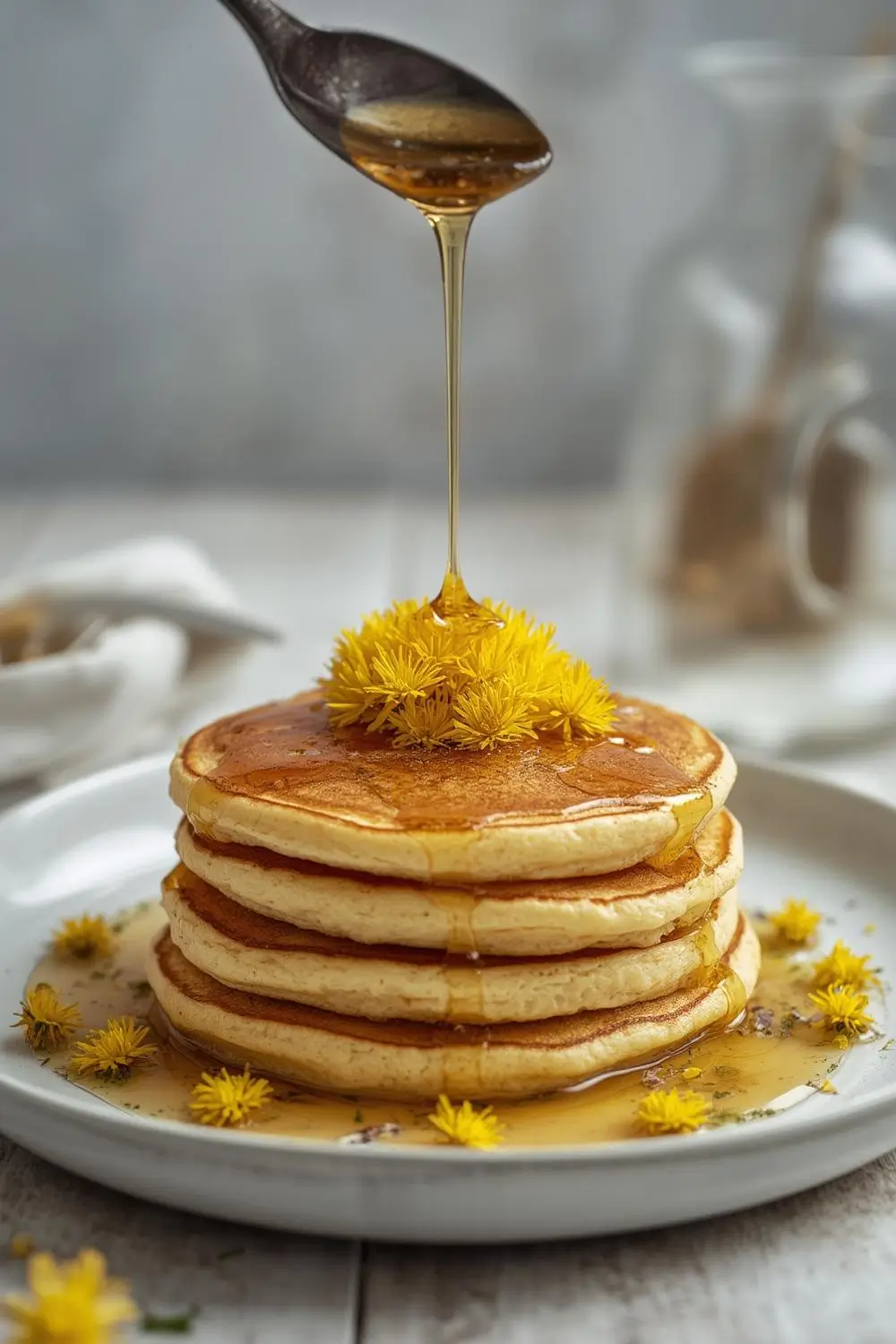
Imagine drizzling a syrup onto your pancakes that doesn’t just taste sweet, but carries the delicate, unique fragrance of springtime sunshine captured in a blossom. That’s the magic of homemade Dandelion Blossom Pancake Syrup. Forget the cloying sweetness of store-bought versions; this recipe unlocks a light, airy, and utterly natural floral sweetness that transforms your breakfast into a celebration of wild, edible beauty. It’s simplicity itself, requiring just a handful of foraged ingredients and a little patience, resulting in a topping that feels like a special treat straight from nature’s pantry. Perfect for pancake lovers, nature enthusiasts, and anyone seeking a genuinely wholesome, homemade alternative, this syrup is your gateway to a more vibrant, flavorful morning.
The Heart of the Recipe: Foraged Dandelion Blossoms
The star ingredient, the humble dandelion blossom, is more than just a weed. It’s a potent symbol of resilience and a free, abundant source of natural sweetness. When steeped in a simple sugar syrup, these golden petals release their unique, honey-like floral essence. The result is a syrup that’s not overpowering, but rather a sophisticated, light sweetness that complements rather than competes with the fluffy texture of your pancakes. It’s a taste of spring, captured and preserved for your enjoyment.
Gathering Your Ingredients: Simplicity at Its Finest
This recipe thrives on minimalism and quality. You’ll need:
Foraged Dandelion Blossoms: The absolute key! Ensure they are completely pesticide-free and from an area you know is clean (like your own lawn, far from roads). Look for blossoms that are fully open and vibrant yellow. Crucially, only use the petals.* Remove the green sepals and the base of the blossom where it attaches to the stem. This step is vital for achieving the desired delicate flavor and avoiding bitterness.
- Granulated Sugar: White sugar is traditional and provides a clean sweetness that lets the dandelion flavor shine. You can experiment with light brown sugar for a slightly deeper, caramel note if you prefer.
- Water: Just enough to cover the blossoms during steeping.
- Lemon Juice (Optional but Recommended): A splash adds a lovely brightness that balances the sweetness and enhances the floral notes. It also helps preserve the syrup slightly.
- Vanilla Extract (Optional but Recommended): A tiny amount adds a warm, comforting depth that pairs beautifully with the dandelion’s sweetness.
The Process: From Blossom to Syrup in Your Kitchen
Creating this syrup is a gentle, almost meditative process. It’s less about intense cooking and more about coaxing the delicate flavors out of the blossoms.
1. Preparation is Key: Before you start, carefully pick your dandelion blossoms. Gently shake them to remove any insects or debris. Fill a large bowl with cold water and swish the blossoms around to rinse them thoroughly. Drain them well on clean kitchen towels or paper towels. This step ensures you start with clean, dry petals.
2. The Steeping Stage: Place your clean, dry dandelion petals into a clean, non-reactive saucepan (stainless steel or glass is ideal). Add your water and bring it to a gentle simmer over medium heat. Once simmering, reduce the heat to low and let the petals steep in the hot water for at least 30 minutes. This is where the magic happens – the petals infuse the water with their unique flavor. Keep the heat low to prevent the delicate compounds from breaking down too quickly.
3. Simmering the Syrup: After steeping, strain the petals out using a fine-mesh strainer or cheesecloth. Press gently on the petals to extract as much liquid as possible, but avoid crushing them too much to prevent bitterness. Return the infused liquid to the saucepan. Add your sugar (and lemon juice and vanilla extract if using) to the pan. Stir gently over low heat until the sugar is completely dissolved. Do not let the mixture boil vigorously at this stage.
4. The Final Simmer: Once the sugar is dissolved, increase the heat slightly to bring the mixture to a gentle simmer. Let it simmer uncovered for 15-20 minutes. This simmering time is crucial – it reduces the liquid slightly, concentrating the dandelion flavor and creating a syrup that’s thick enough to coat the back of a spoon without being overly runny. Watch it carefully towards the end to prevent boiling over.
5. Straining Again: Once the syrup has reached your desired consistency (it will thicken slightly as it cools), remove it from the heat. Strain it once more through a fine-mesh strainer or cheesecloth into a clean glass jar or bottle. This final straining removes any tiny petal fragments that might have slipped through.
6. Cooling and Storing: Let the syrup cool completely to room temperature. Once cool, seal it tightly in an airtight container. Store it in the refrigerator. This homemade syrup will keep well for several weeks, though its vibrant flavor is best enjoyed within a month.
Tips for Success: Ensuring Your Syrup Shines
- Foraging Safety First: Only use blossoms you are 100% certain are pesticide-free. When in doubt, leave it out. Avoid areas near busy roads, parks treated with herbicides, or fields that might have been sprayed.
- Petals Only: Meticulously remove all green parts (sepals and the base of the blossom). This is non-negotiable for flavor and texture.
- Gentle Heat: Avoid high heat during steeping and simmering. Gentle heat preserves the delicate floral compounds.
- Straining Thoroughly: Use a fine-mesh strainer or cheesecloth. Pressing the petals gently helps extract flavor without introducing bitterness.
- Consistency Check: The syrup should coat the back of a spoon. If it’s too thin, simmer for a few more minutes. If too thick, you can thin it slightly with a teaspoon of hot water when using it.
- Flavor Balance: The optional lemon juice and vanilla are highly recommended. They lift the syrup and add complexity. Taste after simmering and adjust if needed (a tiny pinch of salt can also enhance the sweetness).
Variations and Substitutions: Making it Your Own
- Other Edible Flowers: Experiment with other safe, edible flowers like lavender, rose petals, or hibiscus for different floral notes. Adjust steeping time accordingly.
- Sweetener Swap: Use light brown sugar for a deeper caramel flavor. For a vegan option, use maple syrup or agave nectar (note the flavor will be different).
- Citrus Twist: Add a strip of orange zest to the syrup while simmering for a bright, citrusy note.
- Spiced Version: Add a cinnamon stick or a few whole cloves to the simmering syrup for warmth.
- Alcohol-Free Preservation: While the lemon juice helps preservation, refrigeration is essential. This syrup is not shelf-stable like commercial ones.
Storage and Reheating: Keeping Your Syrup Perfect
- Storage: Always store your Dandelion Blossom Syrup in a clean, airtight glass jar or bottle in the refrigerator. It will keep for several weeks, though its peak flavor is best within the first month.
Reheating: When you’re ready to use it, simply remove the jar from the fridge. Warm it gently in a small saucepan over low heat, stirring constantly, until it reaches your desired drizzling consistency. Never* microwave it, as this can cause the delicate flavors to degrade and the syrup to become cloudy. If it’s too thick after reheating, thin it slightly with a teaspoon of hot water.
Avoiding Common Pitfalls: Your Guide to Perfect Syrup
- Bitter Blossoms: Using petals with green parts attached is the #1 cause of bitterness. Meticulous cleaning is essential.
- Overcooking: Simmering too vigorously or for too long can make the syrup taste cooked and lose its delicate floral character. Keep the heat low and watch it closely.
- Undercooking: If the syrup isn’t simmered long enough, it will be too thin and runny, lacking the desired syrup consistency.
- Poor Straining: Failing to strain thoroughly enough leaves behind petal fragments that can make the syrup gritty and affect the smooth texture.
- Contamination: Using a jar or spoon that isn’t clean can introduce bacteria or off-flavors. Always use clean, dry equipment.
Your Questions Answered: Dandelion Blossom Syrup FAQs
1. Can I use dandelion blossoms that aren’t organic? It’s strongly recommended to only use blossoms from areas you know are pesticide-free (like your own untreated lawn). Commercially grown dandelions are often sprayed. If you’re unsure, it’s safer not to use them.
2. How long does the syrup last? Stored properly in the refrigerator in an airtight container, Dandelion Blossom Syrup typically lasts for 3-4 weeks. Its flavor is best enjoyed within the first month.
3. What if I can’t find dandelion blossoms? You can substitute with other edible flowers like lavender, rose petals, or hibiscus. Adjust the steeping time as needed (lavender might need less, hibiscus more). The flavor profile will be different.
4. Can I freeze it? Yes, you can freeze Dandelion Blossom Syrup in a freezer-safe container or ice cube tray. It will keep for several months. Thaw in the refrigerator before using. The texture might be slightly different upon thawing, but the flavor should remain good.
5. Is it safe for children? Yes, this syrup is made from natural ingredients. However, as with any new food, introduce it gradually. The floral flavor might be unfamiliar to some children.
6. Can I use it on things other than pancakes? Absolutely! Drizzle it over waffles, French toast, yogurt, oatmeal, ice cream, or even use it as a glaze for roasted vegetables like carrots or squash. Its versatility is part of its charm.
The Final Pour: A Celebration of Simplicity and Nature
Creating your own Dandelion Blossom Pancake Syrup is more than just a cooking project; it’s an invitation to connect with the natural world right outside your door. It transforms a simple breakfast into a moment of appreciation for the beauty and bounty nature provides. The process is gentle, the ingredients are humble, and the result is a uniquely delicious, light, and floral sweetness that elevates your morning routine. It’s a testament to the idea that extraordinary flavor often comes from the simplest, most accessible ingredients when treated with care and respect. So, venture out, forage responsibly, and bring a touch of springtime sunshine to your pancakes. Enjoy the sweet, natural reward of your efforts!